Sign up with Google
 Sign in with Zoho

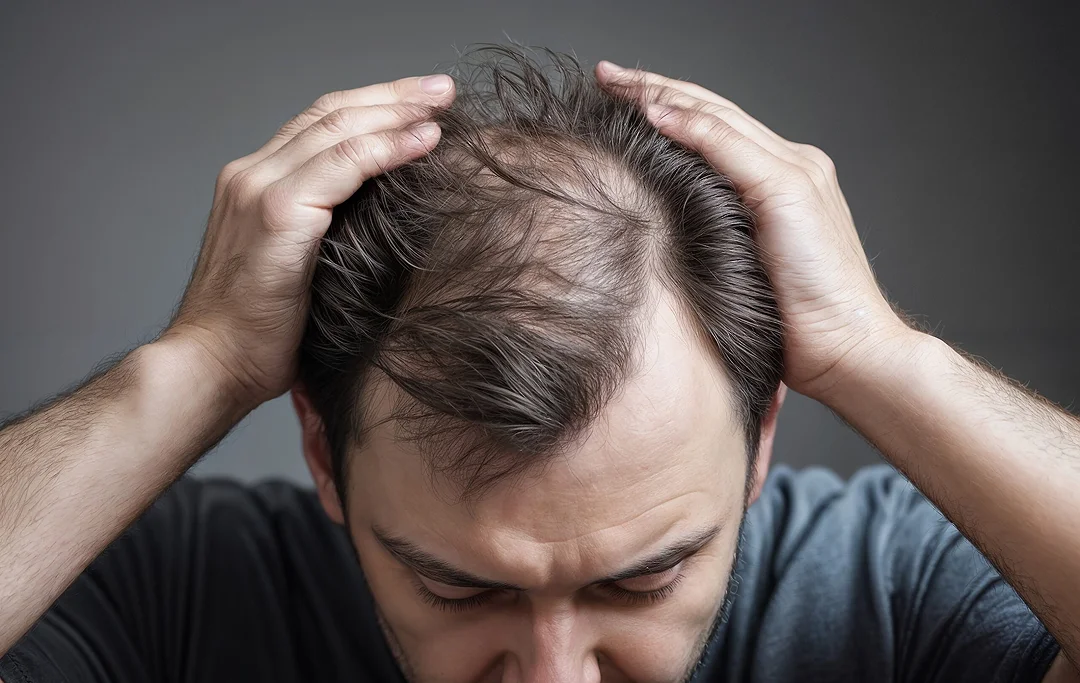
Seeing hair on your pillow, comb, or shower floor can be stressful. Losing 50 to 100 hairs in a day is normal, but if you are losing more than that for weeks or months, your body may be telling you something. Today, hair problems are common among men and women, even in their twenties and thirties. The good news is that most hair problems can be managed well if you understand the cause and take action early.
Common Reasons Behind Hair Loss
Hair loss rarely happens because of just one thing. Some of the most common causes are:
- Family history of baldness
- Stress and poor sleep
- Low iron, vitamin D, or vitamin B12
- Thyroid problems
- PCOS, pregnancy, or hormonal changes
- Dandruff or scalp infection
- Pollution and hard water
- Crash diets or sudden weight loss
Sometimes hair falls heavily after a fever, surgery, or a stressful period. This is usually temporary, and the hair grows back once the body recovers. But hair loss caused by genes or hormones does not stop on its own. It slowly gets worse, and the hairline or parting becomes more visible.
Signs That You Should See a Doctor
Many people try oils, onion juice, or products suggested by friends. These may not cause harm, but they often waste time. If the real problem is not treated, the hair loss continues.
Meet a hair specialist if:
- Hair fall is continuing for more than three months
- Your hairline is moving back
- The parting line is getting wider
- You see thin or bald patches
- Your hair feels dry, weak, and breaks easily
A proper check-up helps the doctor find the real reason. Without this, you may keep buying products that do not suit your scalp.
Hair Loss Treatment in Gurgaon: Where to Begin
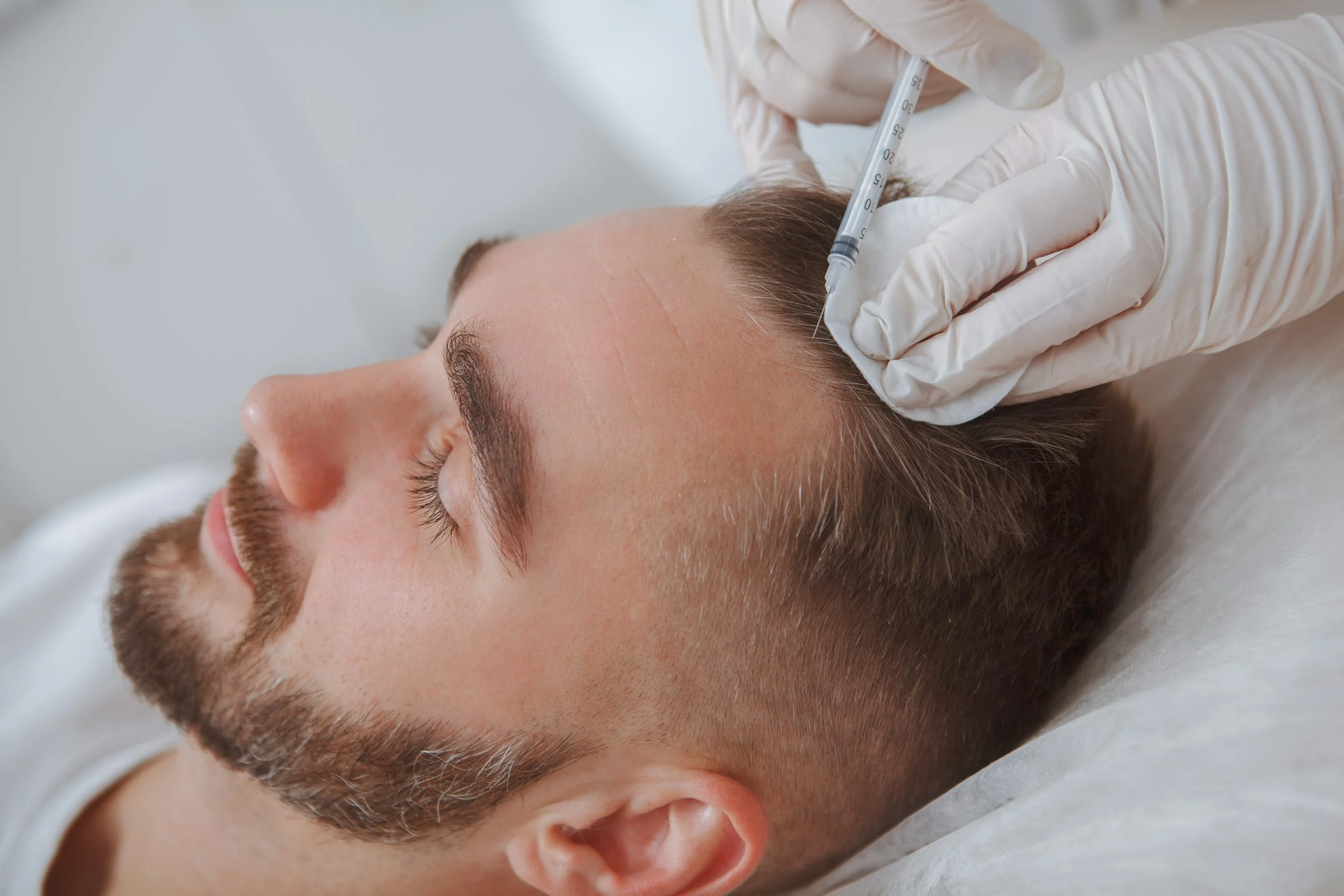
If you are searching for Hair Loss Treatment in Gurgaon, the first step is to find out why your hair is falling. The doctor will look at your scalp, ask about your diet, sleep, stress, and medical history, and may suggest blood tests if needed.
After that, a treatment plan is made for you. It can include medicines, vitamins, scalp treatments, or other medical options, depending on your condition. Every person’s hair problem is different, so a plan made only for you works better than random products.
One more thing: be patient. Hair grows slowly, and visible results usually take three to six months. Many people stop treatment too early and then feel that nothing works. Follow the plan regularly and go for follow-up visits as advised.
When Hair Transplant Becomes an Option
Medicines and scalp treatments can slow down hair fall and help thin hair become stronger. But if hair roots are completely dead and the bald area is clearly visible, these treatments cannot bring the hair back. In such cases, a Hair Transplant in Gurgaon can be a long-term solution.
In this procedure, healthy hair roots are taken from the back or sides of the head, where hair is usually strong and does not fall easily. These roots are then placed in the thin or bald area. Since these hairs are not sensitive to the hormone that causes baldness, they keep growing in the new place.
Not everyone needs a transplant, and not everyone is a good candidate. The doctor checks your age, hair loss pattern, donor area, and overall health before suggesting it. Younger patients, for example, may be asked to control their hair fall first, as hair loss can continue to change in the early years.
Understanding FUE Hair Transplant
Among the different methods, FUE Hair Transplant in Gurgaon is one of the most common choices today. FUE stands for Follicular Unit Extraction. In this method, hair roots are taken one by one from the donor area using a very small tool, and then placed in the area that needs hair.
Here is why many patients prefer it:
- No big cut or long stitch line on the back of the head
- Small marks that are hard to notice once hair grows
- Usually less discomfort after the procedure
- Most people return to light work in a few days
The surgery is done under local anaesthesia, so you stay awake but do not feel pain. It may take several hours depending on how many grafts are needed.
What to Expect After the Surgery
Many patients get worried in the first few weeks because the transplanted hair falls out. This is normal. It is part of the process, and new hair starts growing after about three to four months. Full results are usually seen in 10 to 12 months.
Aftercare is also very important. Take your medicines on time, avoid rubbing or scratching the scalp, stay away from dust and direct sun in the first few days, and follow your doctor’s advice on washing your hair.
Tips Before You Choose a Clinic
A hair transplant is not something you want to repeat, so choose carefully:
- Do not decide only on the basis of low price
- Check the doctor’s training and experience
- Ask how many grafts you really need and why
- Ask to see real patient results
- Make sure the clinic explains risks honestly
Small Habits That Help Your Hair
Along with treatment, a few simple habits can support hair health. Eat enough protein such as dal, eggs, paneer, and sprouts. Add fruits and green vegetables to your meals. Drink enough water and sleep for at least seven hours. Avoid tight hairstyles and too much heat styling. Use a mild shampoo and keep your scalp clean.
Final Words
Hair loss can affect how you feel about yourself, and many people do not talk about it openly. But it is a medical issue, and in most cases, it can be treated. The earlier you act, the more hair you can save.
At Citrine Clinic, Dr. Niti Gaur and her team guide patients with honest advice and treatment options that match their hair condition. If your hair fall is bothering you, do not wait for it to get worse. A timely check-up can make your next steps much clearer.