Sign up with Google
 Sign in with Zoho

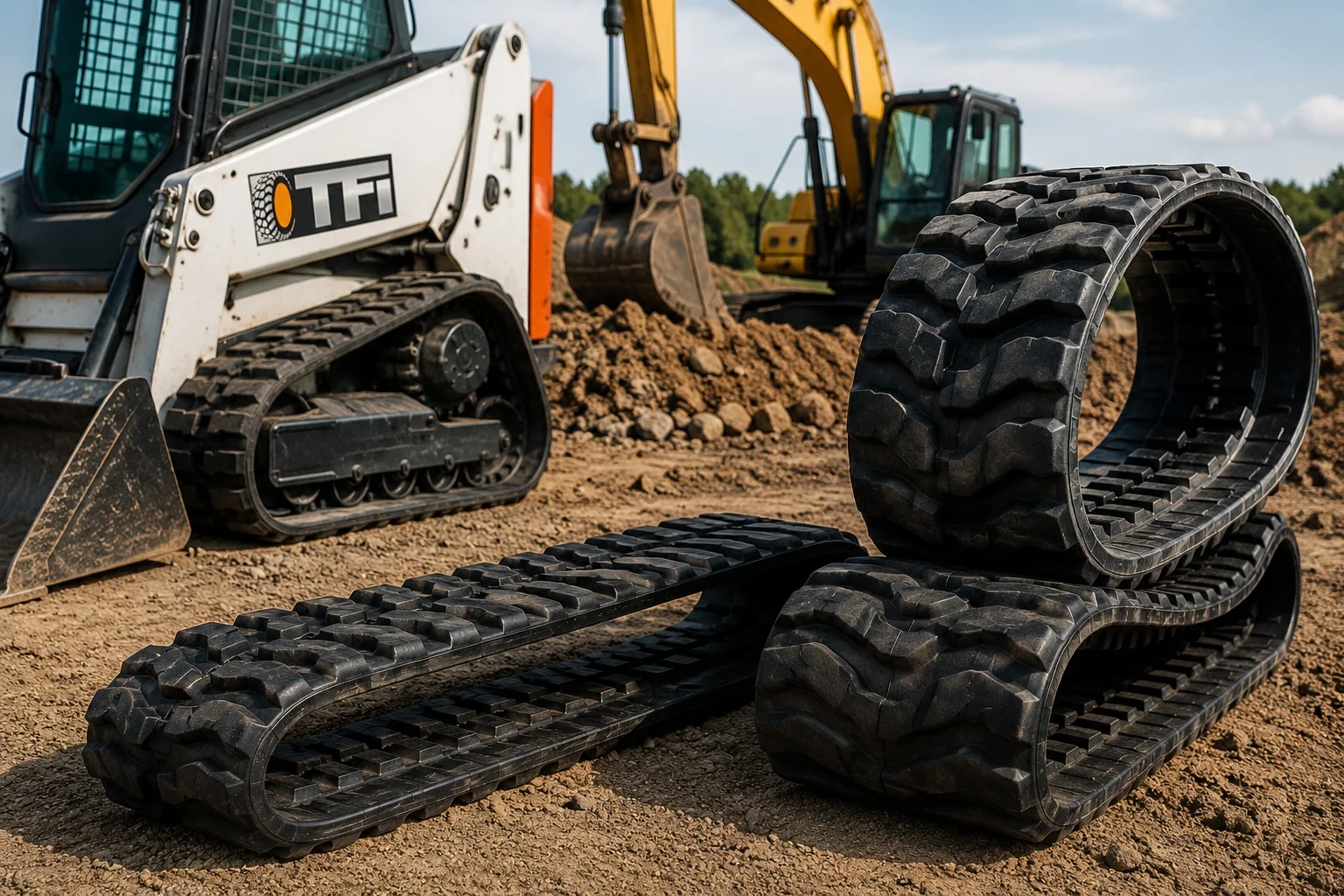
Choosing rubber tracks in Australia comes down to matching the correct size, compound and fitment to your machine and the ground you work on. Get any one of these wrong and you end up with premature wear, poor traction or a track that will not fit at all. This guide walks through the factors that matter before you order, so you can make one correct purchase instead of two.
Who This Guide Is For
This guide is useful if you operate or maintain a mini excavator, compact track loader (CTL), multi-terrain loader (MTL) or tracked agricultural machine, and you need to replace worn tracks or fit new ones. It applies whether you are buying for a single machine or managing a fleet.
Step 1: Confirm Your Track Size
Track size is not a single number. It is expressed as three figures: Width x Pitch x Link Count, for example 300 x 52.5 x 84.
- Width is the track measured in millimetres across its face.
- Pitch is the distance between the centres of two consecutive drive lugs.
- Link count is the total number of links that make up the track.
The correct combination depends on your machine's make, model and year, not just its size class. Two machines that look similar can take different track dimensions. If you are unsure, the fastest way to confirm fitment is to check your machine's manual or contact a supplier with your model details for a fitment check.
Step 2: Match the Track to Your Machine Type
- Mini excavators generally need tracks built for tight turning and frequent directional changes on uneven ground.
- Compact track loaders and MTLs carry more weight and need tracks designed to handle higher load and torque without derailing.
- Agricultural tracks are built for extended operating hours across paddocks and need to resist cutting from stubble, rocks and hard-packed soil.
Using a track designed for the wrong application, even if the dimensions technically fit, will shorten its working life.
Step 3: Check the Rubber Compound
Not all rubber tracks are made the same way. Quality tracks use a formulated compound combining natural rubber and synthetic rubber (NBR), which improves resistance to cutting, chunking and heat build-up. A track made from a lower-grade compound may look identical but wear out significantly faster under the same conditions.
Step 4: Decide Between Rubber and Steel Tracks
Rubber tracks are the better choice where ground protection matters, such as on lawns, pavers, indoor floors or soft soil, because they cause minimal surface damage. They also give a smoother, quieter ride and can improve fuel efficiency compared with steel.
Steel tracks remain the better option in extremely rocky or abrasive conditions, where rubber wear becomes a genuine concern. If your machine regularly works on sharp rock, demolition rubble or similar surfaces, steel may outperform rubber over time.
Step 5: Understand How Long Tracks Should Last
Quality rubber tracks typically last between 1,200 and 1,600 hours of operation, depending on terrain, machine weight and maintenance. You can extend service life by:
- Maintaining correct track tension
- Avoiding sharp-edged surfaces where possible
- Clearing debris from the undercarriage regularly
- Inspecting tracks every 250 to 300 hours
Step 6: Know the Warning Signs of Wear
Replace your tracks if you notice any of the following:
- Visible cracking, tearing or missing chunks in the rubber
- Worn or missing drive lugs
- Frequent track derailments
- Increased vibration or unusual noise while operating
- Reduced traction or stability, particularly on slopes
Catching these signs early avoids more expensive undercarriage repairs later. For step-by-step guidance on fitting new tracks, see our rubber track replacement guide.
Step 7: Check Certification and Warranty
Look for a supplier whose tracks meet a recognised quality standard, such as ISO 9001:2000, and who offers a clear warranty on the product. This gives you a documented standard to hold the supplier to if a track fails outside normal wear.
Common Mistakes to Avoid
- Ordering by machine size class alone instead of confirming the exact make, model and year
- Assuming all rubber compounds perform the same way
- Ignoring pitch and link count and focusing only on width
- Leaving tension unchecked after fitting, which accelerates wear
- Choosing rubber tracks for heavy rock or demolition work where steel is more suitable
About Tradefaire
Tradefaire (TFI) supplies rubber tracks across Australia for mini excavators, compact track loaders, multi-terrain loaders and agricultural machinery, including brands such as Kubota, Yanmar, Bobcat, John Deere, Caterpillar, Takeuchi, Hitachi, Komatsu and ASV. TFI has over 25 years of experience supplying tracks that match OEM specifications, and its products meet ISO 9001:2000 quality standards. Tracks are dispatched from warehouses in Melbourne, Brisbane, Sydney, Perth, Adelaide and Wodonga, and come with a comprehensive warranty.
If you need help confirming the correct size for your machine, browse the full rubber tracks range or view tracks by application, including mini excavator tracks, compact track loader tracks and agricultural tracks.
Frequently Asked Questions
How do I know what size rubber tracks my machine needs?
Check your machine's make, model and year against the manufacturer's specifications, or provide these details to a supplier for a fitment check. Track size alone will not confirm correct fitment.
How often should I inspect my tracks?
Every 250 to 300 hours of operation, or sooner if you notice vibration, reduced traction or visible wear.
Are rubber tracks suitable for rocky terrain?
Rubber tracks can wear faster on sharp, rocky or abrasive ground. Steel tracks are generally better suited to these conditions.
Do rubber tracks come with a warranty?
Reputable suppliers offer a warranty on rubber tracks. Confirm the terms before purchase, including what is and is not covered.
Can I get a fitment check before ordering?
Yes. Providing your machine's make, model and year to a supplier allows them to confirm the correct width, pitch and link count before you order.
Need Help Choosing the Right Tracks?
If you are unsure which tracks suit your machine, contact the Tradefaire team on 1300 915 078 or submit a product enquiry with your machine details for a fitment check.