Sign up with Google
 Sign in with Zoho

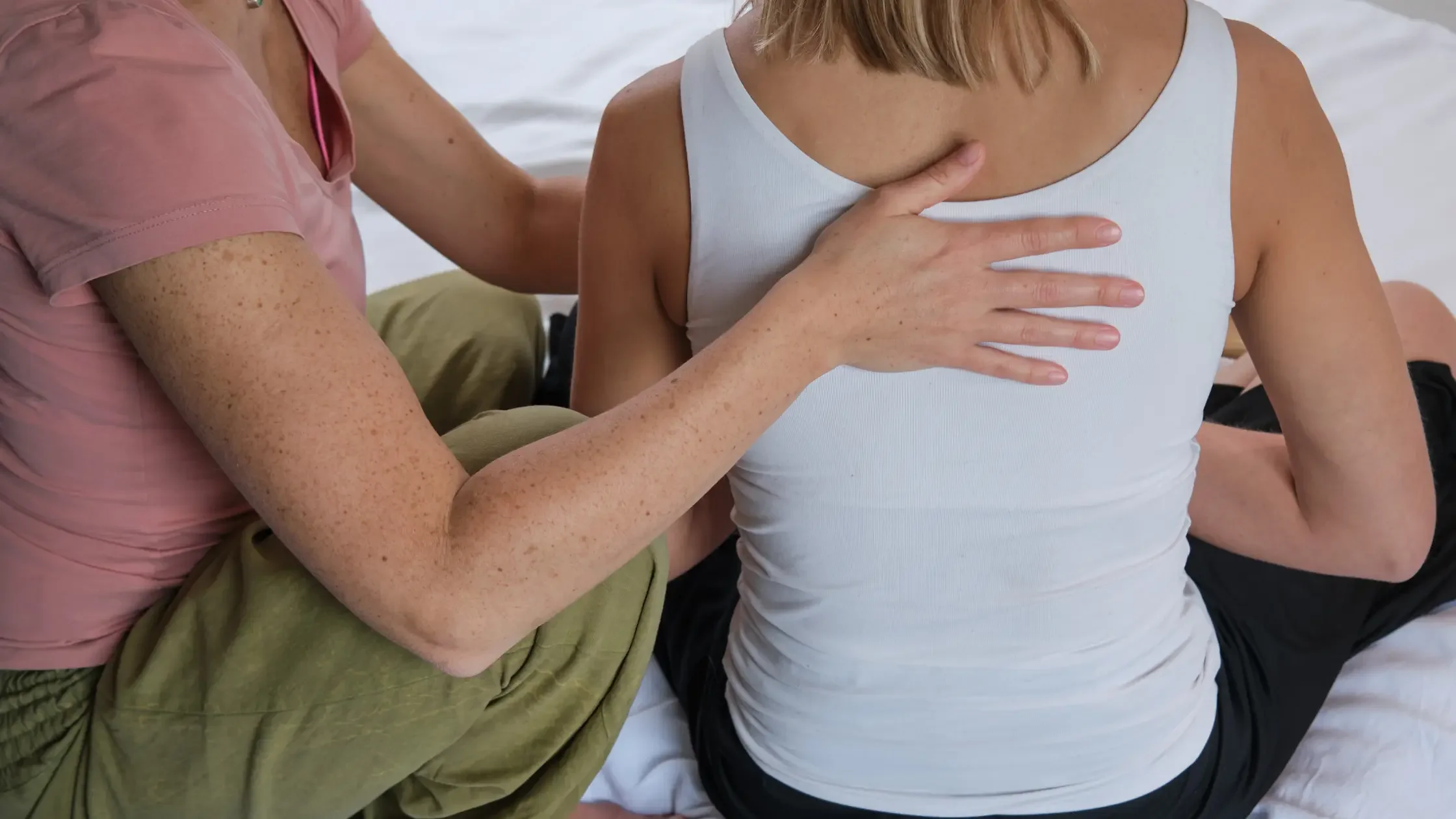
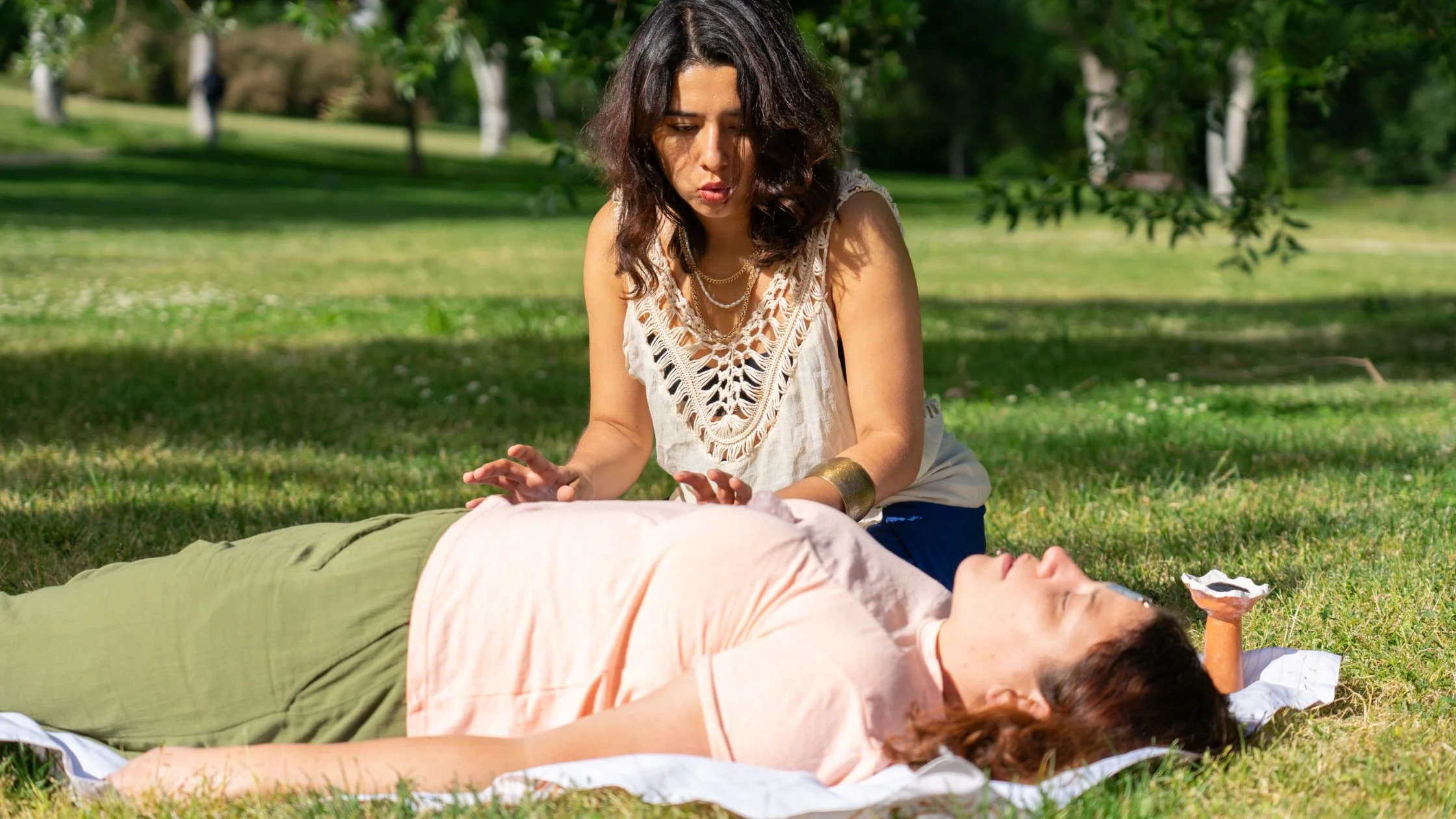
Feeling overwhelmed has become normal for many people. Deadlines, family responsibilities, endless notifications, and constant stress can leave your body feeling tense long before your mind realizes something is wrong. You may notice tight shoulders, shallow breathing, trouble sleeping, or a racing mind that refuses to slow down.
The good news is that your breath can help interrupt this stress cycle.
In this guide, you'll learn five simple breathing techniques that you can use at home, at work, or anywhere you need to feel more grounded.
Why Your Breath Matters
When you're stressed, your body automatically switches into "fight, flight, or freeze" mode. Your breathing becomes quicker and shallower, your muscles tighten, and your heart rate increases.
Changing your breathing pattern sends a different message to your brain. Slow, mindful breathing tells your nervous system that you're safe. As your breathing slows, your heart rate can settle, muscle tension may decrease, and your mind often becomes clearer.
The best part? You don't need special equipment or years of experience. Just a few minutes of intentional breathing can make a noticeable difference.
1. Belly Breathing for Instant Relaxation
Many adults breathe mainly from their chest without realizing it. Belly breathing encourages the diaphragm to do most of the work, creating deeper and more efficient breaths.
How to Practice
- Sit comfortably or lie on your back.
- Place one hand on your chest and the other on your belly.
- Slowly inhale through your nose for four seconds.
- Let your belly rise while keeping your chest relatively still.
- Exhale gently through your mouth for six seconds.
- Continue for five to ten minutes.
Why It Helps
This technique encourages your body to move away from stress mode and toward relaxation. Many people notice they feel calmer after only a few minutes.
Best Time to Try It
- Before bed
- During a stressful workday
- Before an important meeting
- Whenever anxiety begins to build
2. Box Breathing to Calm Racing Thoughts
Box breathing is widely used by athletes, healthcare professionals, and emergency responders because it helps improve focus while reducing stress.
How to Practice
Imagine drawing a square.
- Inhale for four seconds.
- Hold your breath for four seconds.
- Exhale for four seconds.
- Hold again for four seconds.
Repeat this cycle five to ten times.
Why It Helps
Box breathing creates a steady rhythm that helps interrupt anxious thinking. Instead of focusing on worries, your attention shifts to your breath.
This simple exercise can also improve concentration before presentations, interviews, or challenging conversations.
3. Extended Exhale Breathing to Release Tension
One of the quickest ways to calm the nervous system is by making your exhale longer than your inhale.
How to Practice
- Breathe in gently through your nose for four counts.
- Exhale slowly through your mouth for six to eight counts.
- Continue for several minutes.
Don't force the breath. Keep it comfortable and natural.
Why It Works
Longer exhalations activate the body's relaxation response. As your breathing slows, many people notice reduced muscle tension, a slower heart rate, and greater emotional balance.
If you're feeling overwhelmed after a difficult conversation or a busy day, this is an excellent technique to try.
4. Body Scan Breathing for Emotional Awareness
Stress isn't only stored in your thoughts. It often shows up as physical tension throughout the body.
Body scan breathing combines mindful breathing with gentle awareness of physical sensations.
How to Practice
Close your eyes if it feels comfortable.
Take slow breaths while mentally scanning your body from your head down to your feet.
Notice areas that feel:
- Tight
- Heavy
- Warm
- Cold
- Tingling
- Relaxed
Instead of trying to change these sensations, simply observe them while continuing to breathe slowly.
Why It Helps
Many people spend years ignoring what their body is trying to communicate.
Body scan breathing encourages awareness without judgment. Over time, this practice can help you recognize stress earlier before it becomes overwhelming.
5. Gentle Rhythmic Breathing for Everyday Calm
Consistency matters more than intensity.
Gentle rhythmic breathing creates a comfortable, repeatable breathing pattern that you can use every day.
How to Practice
Choose a rhythm that feels natural, such as:
- Inhale for five seconds
- Exhale for five seconds
Continue for five to ten minutes.
Avoid forcing deeper breaths. Smooth, comfortable breathing is the goal.
Why It Helps
This technique promotes relaxation while helping your body develop healthier breathing habits over time.
It's an excellent daily practice for anyone looking to improve emotional resilience and reduce everyday stress.
Tips for Getting Better Results
Breathing exercises work best when practiced consistently rather than only during stressful moments.
Here are a few simple habits that can help:
- Practice at the same time each day.
- Choose a quiet, comfortable space.
- Stay curious about how your body feels instead of trying to "do it perfectly."
- Start with five minutes and gradually increase if desired.
- Be patient. Small improvements add up over time.
Common Mistakes to Avoid
Many beginners think deeper breathing is always better, but that's not necessarily true.
Try to avoid:
- Forcing large breaths
- Holding your breath too long
- Rushing through the exercise
- Practicing only during moments of extreme stress
- Expecting immediate perfection
Breathing should feel comfortable, not exhausting.
When Should You Practice?
You don't have to wait until you're overwhelmed.
Many people benefit from practicing:
- First thing in the morning
- During lunch breaks
- Before stressful meetings
- After work
- Before bedtime
- After exercise
- Following emotionally challenging situations
Even five minutes each day can support a healthier relationship between your mind and body.
Final Thoughts
Stress is a part of life, but staying stuck in survival mode doesn't have to be.
Simple breathing practices can help you reconnect with your body, improve emotional awareness, and create moments of calm throughout your day. The key isn't finding the perfect technique. It's choosing one that feels comfortable and practicing it regularly.
At Insumataq Studio, we believe healing starts by listening to your body with compassion. Whether you're beginning your wellness journey or looking to deepen your practice, our guided breathwork, yoga, meditation, and somatic wellness sessions in Auburn, California, offer a supportive space to reconnect with yourself.
Frequently Asked Questions
Is somatic breathing suitable for beginners?
Yes. Most techniques are gentle and beginner-friendly. Start slowly and listen to your body.
How long should I practice each day?
Five to ten minutes is enough for most people. Consistency is more important than duration.
Can breathing exercises help with anxiety?
Many people find mindful breathing helps reduce feelings of stress and anxiety by supporting nervous system regulation. However, it should not replace professional medical or mental health care when needed.
Should I practice sitting or lying down?
Either position works. Choose whichever allows you to breathe comfortably and stay relaxed.
How quickly will I notice results?
Some people feel calmer after one session, while lasting improvements usually come with regular practice over several weeks.