Sign up with Google
 Sign in with Zoho

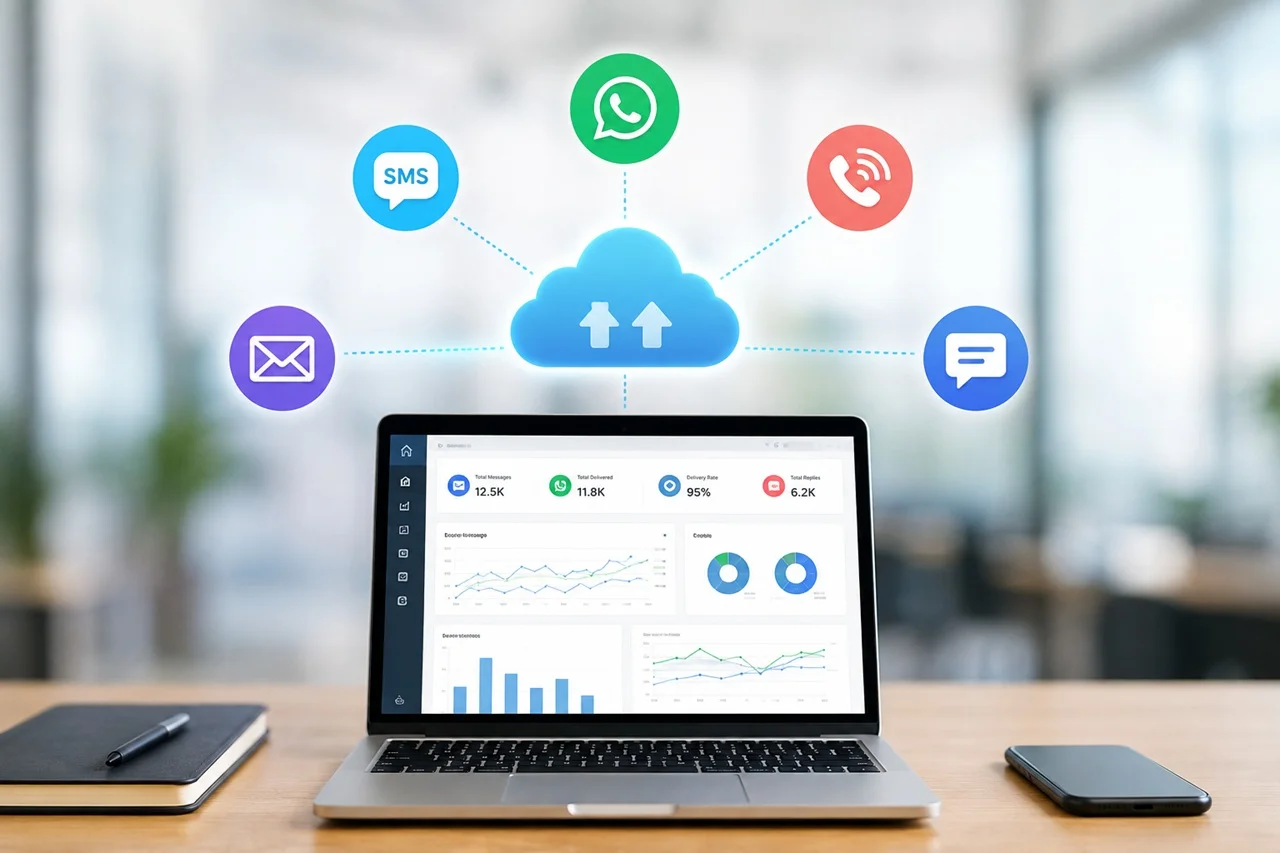
Picture this. Your customer places an order on your website. Five minutes later, they get an SMS confirmation. Ten minutes after that, a WhatsApp message with their tracking link. The next morning, an email receipt. And if something goes wrong with delivery, a voice call from your support team.
Four different channels. Four separate touchpoints. And from the customer's perspective, it all feels like one seamless conversation with your brand.
That's what a cloud communication platform makes possible and it's why businesses across India and the world are moving away from disconnected phone systems and email setups toward a unified, API-driven communication infrastructure.
This guide explains what a cloud communication platform actually is, how it works, what it includes, and how to choose the right one for your business.
What Is a Cloud Communication Platform?
A cloud communication platform is a software-based infrastructure that enables businesses to send, receive, and manage communications across multiple channels SMS, voice, WhatsApp, RCS, email, and more all through a single, internet-based system.
Instead of managing separate vendors for each channel (one provider for SMS, another for voice calls, a third for WhatsApp), a cloud communication platform consolidates everything into one place. Your team accesses it through a dashboard or connects it to your existing systems via API.
The term CPaaS (Communication Platform as a Service) is often used interchangeably with cloud communication platform, though there's a subtle difference. CPaaS specifically refers to the API layer that lets developers embed communication capabilities directly into applications. A cloud communication platform is the broader category it includes both the developer APIs and the business-facing tools like campaign managers and dashboards.
The practical result, for any business, is the same: you gain the ability to communicate with customers at scale, across any channel, from a single system without building or maintaining any physical infrastructure yourself.
Why Traditional Business Communication Systems Fall Short
To understand why cloud communication platforms have become essential, it helps to understand what they replaced.
Before cloud communications, businesses typically relied on a combination of on-premise PBX systems for phone calls, separate SMS gateway providers for text messages, email marketing tools that didn't integrate with anything else, and manual processes to tie them all together. Each system had its own login, its own pricing model, its own technical requirements, and its own support team to call when something broke.
This fragmentation created four compounding problems:
1. Slow customer response times. When your voice team doesn't know what your SMS team sent, customers repeat themselves constantly. Disconnected systems make every conversation feel like the first one.
2. Expensive infrastructure. On-premise phone systems require hardware, maintenance, and dedicated IT support. Scaling up means buying more hardware. Scaling down wastes money on idle capacity.
3. No unified data. When each channel lives in a separate system, you can never see the complete customer communication history in one place. That makes personalisation nearly impossible and support quality inconsistent.
4. Limited reach. Legacy systems weren't built for mobile-first, multi-channel customers. They can't support WhatsApp business messaging, RCS rich media campaigns, or real-time analytics without expensive custom integrations.
Cloud communication platforms solve all four problems simultaneously.
How a Cloud Communication Platform Works
The core of a cloud communication platform is an API layer a set of standardised interfaces that let your business systems talk to the communication channels your customers actually use.
Here's how the flow works in practice:
A customer places an order. Your order management system triggers an API call to the cloud communication platform. The platform routes a transactional SMS to the customer's phone number, sends a WhatsApp order confirmation with a tracking button, and logs the entire interaction in a centralised dashboard all within seconds of the order being confirmed.
No human manually sends any of those messages. No separate systems need to be checked. The communication happens automatically, at scale, triggered by real events in your business.
The platform handles the complexity: routing messages to the right telecom operator, managing delivery, tracking read receipts, and feeding analytics back to your dashboard. You define the rules. The platform executes them.
What's Included in a Cloud Communication Platform?
Modern cloud communication platforms include a range of services, typically accessed through both a web-based interface and an API. Here's what the core stack looks like:
SMS API and Business Messaging
The foundation. Every cloud communication platform includes SMS API access for sending transactional and promotional messages at scale. Transactional SMS covers order confirmations, payment alerts, and OTP delivery. Promotional SMS covers marketing campaigns, offers, and announcements. In India, both types require DLT compliance under TRAI regulations a reputable platform handles this registration on your behalf.
Voice API and Cloud Telephony
Voice capabilities on a cloud communication platform go well beyond a basic call center setup. Voice API integration enables outbound dialler campaigns, IVR (interactive voice response) systems, voice OTP delivery, missed call services, and toll-free number management all programmable and scalable via API.
WhatsApp Business API
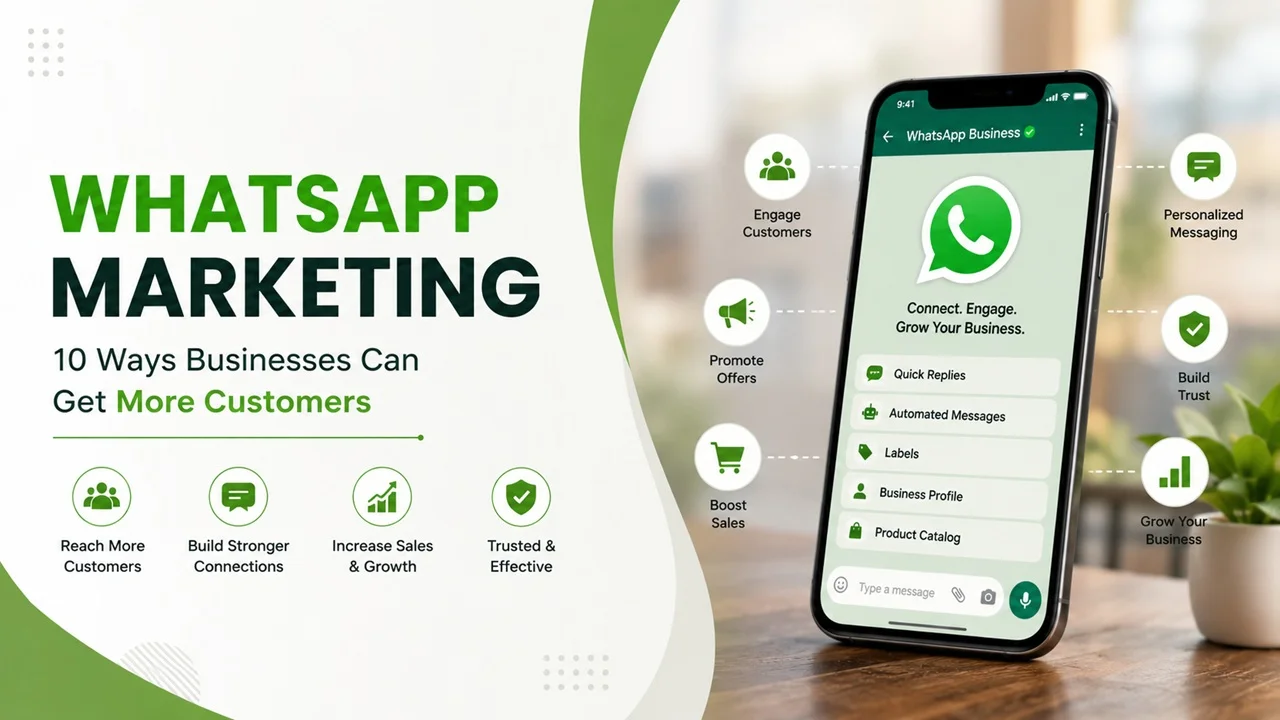
WhatsApp Business API access, embedded within the platform, lets businesses send verified, branded messages on WhatsApp at scale. Order updates, customer support conversations, appointment reminders, and promotional broadcasts all compliant with Meta's messaging policies and manageable from a single dashboard.
RCS Messaging
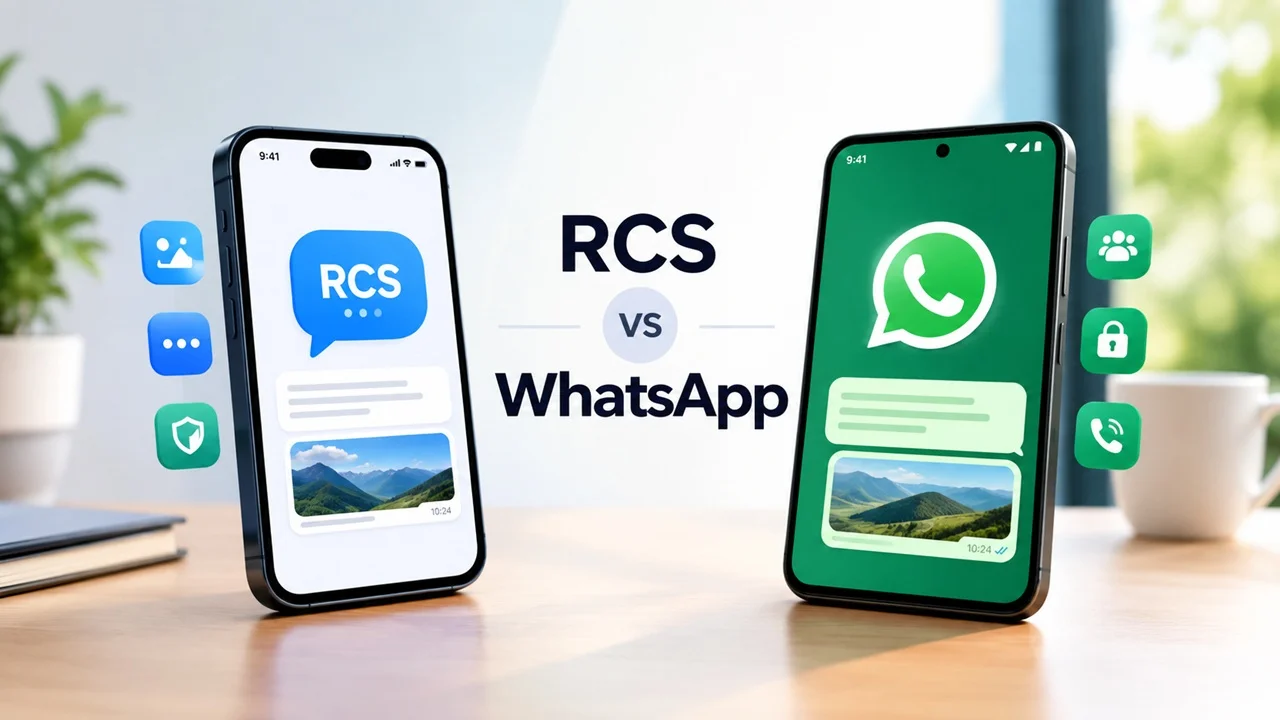
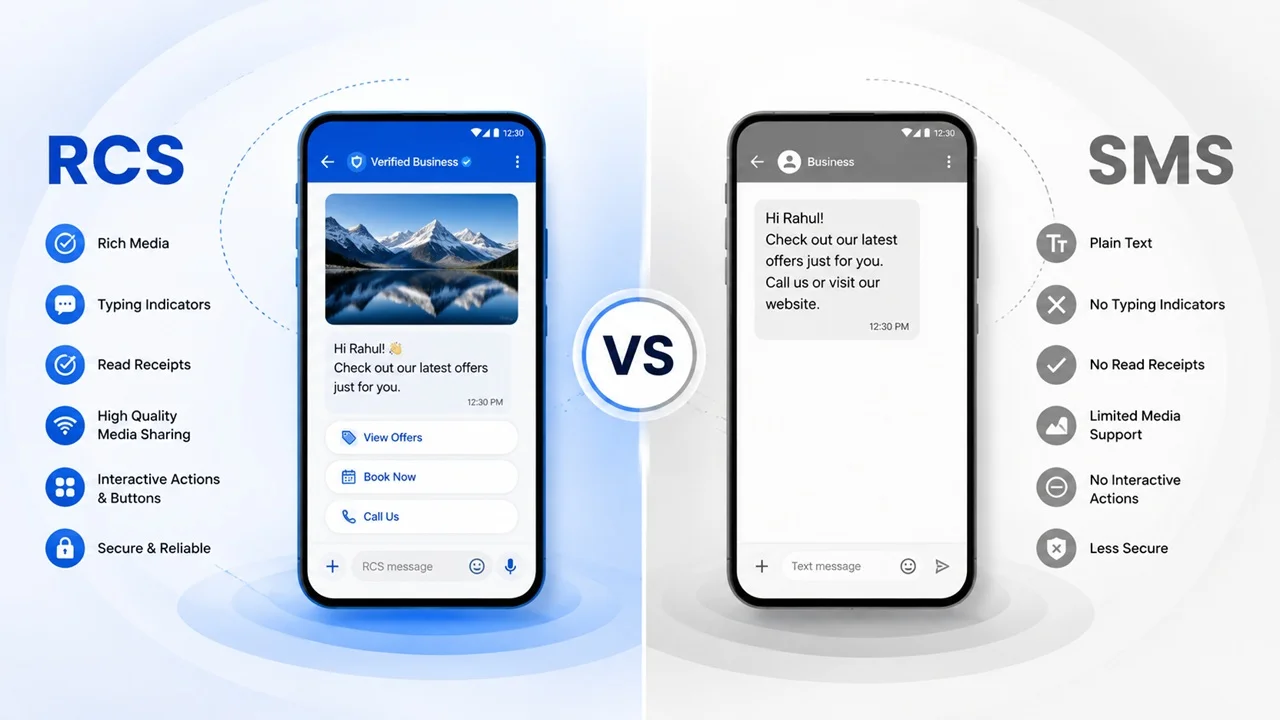
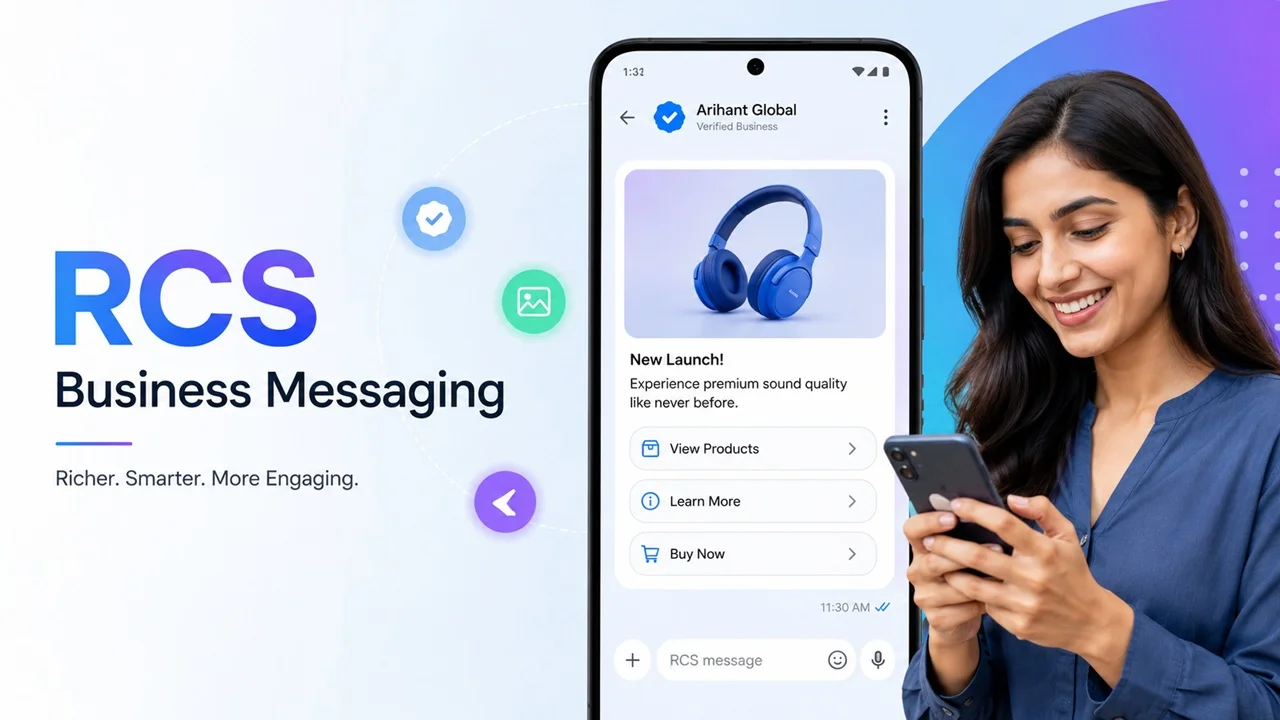
RCS (Rich Communication Services) is the next generation of SMS with images, carousels, interactive CTA buttons, and Google-verified sender branding, all delivered to the customer's native messaging app. A cloud communication platform with RCS capability lets businesses run rich media campaigns without asking customers to download anything.
Email API
Transactional email (receipts, password resets, shipping notifications) and marketing email (newsletters, campaigns, drip sequences) are included in most enterprise communication platforms, accessible via API or a built-in campaign tool.
Omnichannel Dashboard and Analytics
This is the layer that ties everything together. A unified omnichannel communication platform gives your team a single view of every customer interaction across every channel with real-time analytics on delivery rates, read receipts, click-through rates, and campaign performance.
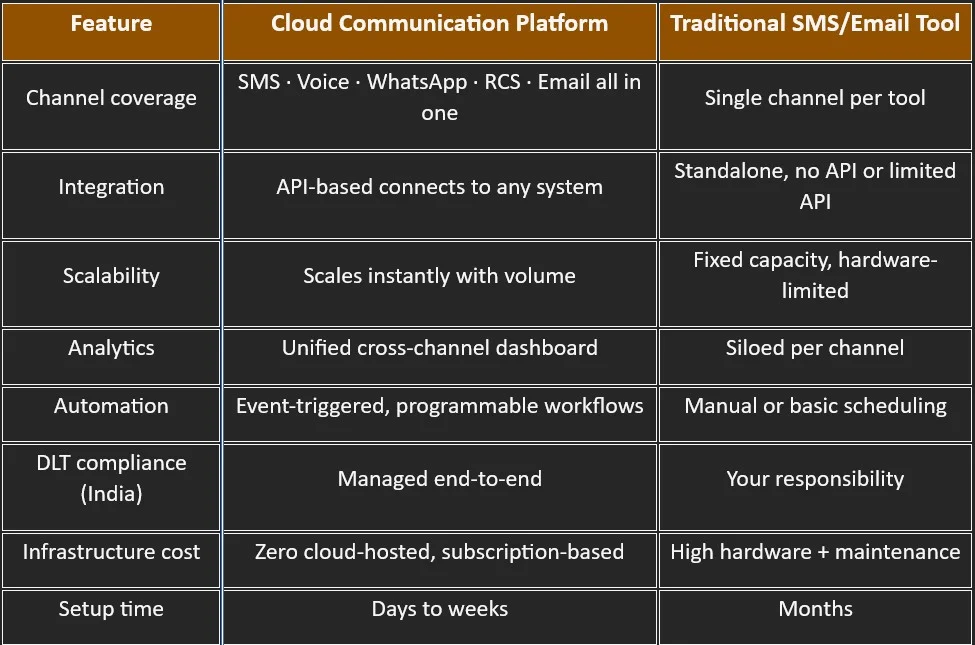
The Difference Between Cloud Communication Platforms and Traditional Messaging Tools
The fundamental shift is from channel-by-channel thinking to a unified, programmable approach. A cloud communication platform isn't just a better SMS tool or a better email tool it's a fundamentally different infrastructure for how a business communicates.
Key Benefits of Moving to a Cloud Communication Platform
· One vendor, one integration, all channels. Instead of managing separate relationships with an SMS provider, a WhatsApp business API provider, a voice service provider, and an email platform you work with one platform, one API, one dashboard, one support team.
· Communication automation at scale. Define rules once, and the platform executes them automatically at any volume. An order triggers an SMS confirmation. A missed delivery triggers a WhatsApp reschedule link. A payment failure triggers a voice call. All of this runs without manual intervention, at any scale.
· Real-time customer data across channels. When all communication flows through one platform, you build a complete picture of every customer interaction. That data improves personalisation, speeds up support, and makes every communication more relevant.
· Lower total cost. Cloud communication platforms operate on a pay-as-you-go or subscription model. There's no hardware to buy, no maintenance to budget for, and no dedicated IT team required to keep the system running. You pay for what you use.
· Faster time to market. New channels like RCS messaging or WhatsApp campaigns can be added to an existing cloud communication platform in days. The same would take months through separate vendor relationships and custom integrations.
Cloud Communication Use Cases Across Business Types
· Ecommerce and D2C brands use cloud communication platforms to automate the entire post-purchase communication journey: order confirmation via SMS, shipping update via WhatsApp, delivery notification with feedback CTA, and win-back campaign via RCS if the customer doesn't reorder within 30 days.
· Banking and financial services use cloud telephony for IVR-based customer support, SMS API for transaction alerts and OTP delivery, and WhatsApp Business API for loan disbursement notifications and EMI reminders all with the audit trail and compliance controls that regulated industries require.
· Healthcare providers use cloud communication platforms to send appointment reminders with confirm/reschedule buttons, report-ready notifications, billing reminders, and post-visit follow-up surveys all triggered automatically from their patient management system.
· Education and EdTech companies use programmable communication to send exam notifications, fee payment reminders, and course completion certificates personalised by student and triggered by actual events in their learning management system.
· Logistics companies use real-time messaging APIs to send dispatch notifications, out-for-delivery alerts with OTPs, and delivery confirmation requests all triggerd from their shipment tracking system the moment each event occurs.
In every case, the pattern is the same: events in the business trigger relevant, personalised, timely communications to customers automatically, at scale, across the channels customers actually use.
Is DLT Registration Required for Cloud Communication in India?
Yes and this is something every Indian business deploying a cloud communication platform needs to understand before going live.
Under TRAI's Distributed Ledger Technology (DLT) framework, all commercial SMS sent in India must be registered. This covers Principal Entity registration (your business), Sender ID registration, and message template pre-approval. Both transactional and promotional SMS routes require DLT compliance. Unregistered messages are silently blocked by telecom operators with no error notification.
DLT compliance does not apply to WhatsApp messages (which follow Meta's own policy framework) or voice calls, but it is mandatory for any SMS-based communication, including OTP delivery.
A reputable cloud communication platform handles all DLT registrations on your behalf as part of the onboarding process. If a vendor asks you to manage DLT yourself, treat that as a warning sign.
How to Choose a Cloud Communication Platform for Your Business
With dozens of options in the Indian market, here's what actually separates good platforms from average ones:
· Direct telecom operator connections. Platforms that connect directly to Jio, Airtel, Vi, and BSNL rather than routing through resellers deliver faster, more reliable messages. Every additional hop in the route is a potential delay or failure point.
· Full channel coverage. A genuine cloud communication platform covers SMS, voice, WhatsApp, RCS, and email. A platform that covers two or three channels will require you to add more vendors as your communication needs grow.
· API quality and documentation. For businesses that want to trigger messages from their own systems, the quality of the REST API and its documentation matters enormously. Look for code samples in your preferred languages, a sandbox environment, and webhook support for real-time delivery events.
· DLT compliance support. In India specifically, your platform should handle TRAI DLT registration, Sender ID setup, and template management not leave it as your problem to solve.
· Analytics and reporting. Delivery data alone isn't enough. Look for platforms that provide read receipts, click-through tracking, campaign performance analytics, and for WhatsApp and RCS full conversation analytics.
· Established track record. Messaging infrastructure is not where you want to take risks on a new player. Look for platforms with verifiable client lists, compliance certifications, and a history of operating at the volume your business needs.
The Bottom Line
A cloud communication platform is no longer a nice-to-have for growing businesses in India. It's the infrastructure layer that determines whether your customer communications feel seamless or disconnected, whether your campaigns are measurable or invisible, and whether your team spends time on manual message management or on strategy.
The businesses that are winning on customer experience in 2026 aren't the ones with the most channels they're the ones who've unified those channels into a single, intelligent communication system that responds to real customer events in real time.
That's what a modern cloud communication platform delivers. And for Indian businesses, the technology is already here, already compliant, and already running for thousands of companies exactly like yours.
About the Author:
This article is contributed by the team at Arihant Global Services India Pvt. Ltd. (AGSIPL) a CPaaS and cloud communication platform provider based in Jaipur, India, serving 2,000+ businesses since 2013.