Sign up with Google
 Sign in with Zoho

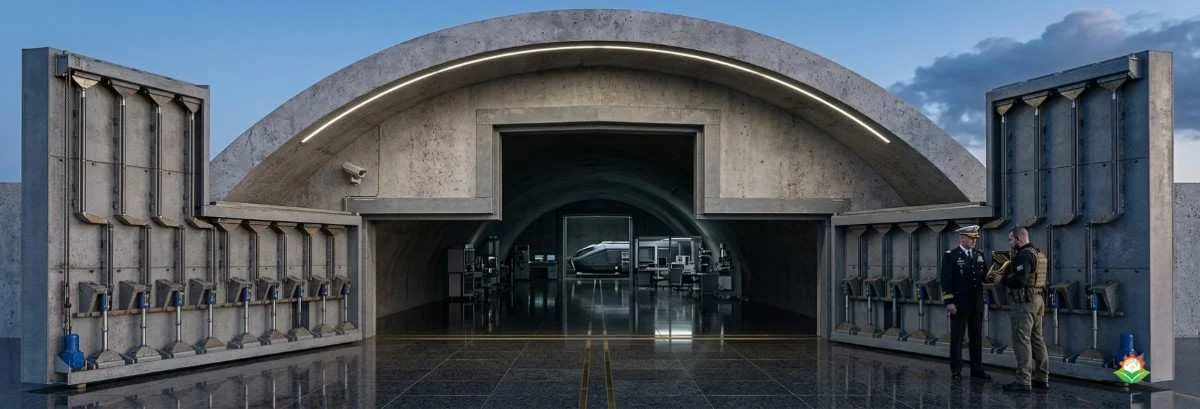
Although the building structure met all engineering standards, the existing Hangar door quickly became the weakest link. Slow opening speeds, poor weather sealing, and frequent maintenance interruptions delayed operations and increased operating costs. The experience reinforced an important lesson for aviation engineers: a modern hangar door is far more than an entrance—it is a critical component of facility performance, aircraft protection, and operational reliability.
A Hangar door plays a central role in the safety, efficiency, and long-term performance of aviation infrastructure. Whether installed in a commercial airport, military airbase, aircraft maintenance facility, or aerospace manufacturing plant, it must provide reliable access while protecting valuable aircraft from environmental and security risks. Modern hangar door systems combine structural engineering, intelligent automation, weather resistance, and precision manufacturing to deliver dependable performance throughout decades of service. Understanding the essential features helps project owners make informed investment decisions.
Why Modern Hangar Door Design Matters
Unlike conventional industrial doors, an Aircraft hangar door must safely span very large openings while operating smoothly under demanding conditions.
A properly engineered Hangar door design improves:
- Aircraft accessibility
- Operational efficiency
- Building security
- Weather protection
- Energy performance
- Maintenance reliability
- Facility lifespan
Modern aviation projects increasingly require customised solutions that support future expansion while minimising lifecycle costs.
Engineering Is the Foundation of Performance
Before manufacturing begins, engineers evaluate:
- Aircraft dimensions
- Building span
- Structural loading
- Wind pressure
- Foundation strength
- Operational frequency
- Climate conditions
- Automation requirements
These calculations ensure long-term reliability while preventing premature mechanical wear.
Key Features Every Modern Hangar Door Should Have
1. High Structural Strength
A modern hangar door must withstand significant structural loads without excessive deflection.
Heavy-duty steel framing, reinforced members, and precision fabrication ensure stability across wide openings while supporting repeated operational cycles.
Structural integrity is especially important for large commercial and military aircraft hangars.
2. Corrosion Resistance
Many aviation facilities operate in coastal regions or humid industrial environments.
Protective galvanising, industrial-grade coatings, and corrosion-resistant components extend service life while reducing maintenance requirements.
3. Wind-Load Resistance
Large airplane hangar doors experience considerable wind forces during operation.
Modern designs incorporate reinforced structural members and engineered guide systems capable of maintaining alignment under severe weather conditions.
Proper wind-load engineering also improves operator safety.
4. Intelligent Automation
Automation has become a standard feature in today's aviation facilities.
Modern systems typically include:
- Variable-frequency drives
- Remote operation
- Obstacle detection sensors
- Automatic locking systems
- Wind monitoring
- Emergency stop controls
- Manual override capability
Automation increases operational efficiency while reducing mechanical stress on moving components.
5. Weather Protection
Effective sealing protects aircraft, maintenance equipment, and interior workspaces.
High-quality seals minimise:
- Rain penetration
- Dust ingress
- Temperature fluctuations
- Air leakage
This creates a cleaner maintenance environment while improving HVAC efficiency.
6. Large Clear-Span Access
Aircraft require unrestricted movement into and out of hangars.
Modern hangar door systems maximise usable opening width without introducing structural obstructions that could limit aircraft operations.
7. Enhanced Security
Security is particularly important at defence installations, airports, and aerospace manufacturing facilities.
Today's systems integrate:
- Access control
- Automatic locking
- Position monitoring
- Alarm interfaces
- Building management integration
These features protect both aircraft and critical infrastructure.
8. Low Maintenance Design
High-quality rollers, guide tracks, bearings, and drive systems reduce wear while extending service intervals.
Routine preventive maintenance becomes simpler and more predictable, lowering long-term operating costs.
Applications Across Aviation and Industry
Modern hangar doors are engineered for demanding operational environments, including:
- Commercial aircraft hangars
- Military airbases
- Defence facilities
- Aircraft MRO centres
- Aerospace manufacturing plants
- Helicopter hangars
- Aviation training academies
- Industrial warehouses
- Logistics hubs
Although operational requirements vary, reliability, durability, and safety remain essential across every application.
Cost and Investment Factors
Selecting the right hangar door requires evaluating lifecycle value rather than purchase price alone.
Major investment considerations include:
- Door dimensions
- Material quality
- Structural engineering complexity
- Automation level
- Wind-load ratings
- Safety systems
- Installation requirements
- Manufacturing precision
- Customisation needs
- Long-term maintenance planning
Higher engineering quality often results in lower operational costs over the service life of the facility.
Buyer's Guide: Choosing the Right Manufacturer
Evaluating Hangar door manufacturers in India requires more than comparing quotations.
Industry Experience
Choose manufacturers with proven experience delivering aviation infrastructure, defence projects, and large-span access systems.
Engineering Expertise
Manufacturers should provide customised Hangar door design, structural calculations, and project-specific engineering documentation.
Manufacturing Standards
Assess fabrication quality, welding procedures, corrosion protection, inspection processes, and factory acceptance testing.
Customisation Capability
Every aviation project has unique operational requirements.
Manufacturers should adapt designs according to aircraft type, building dimensions, environmental exposure, and automation preferences.
Technical Support
Professional suppliers provide:
- Installation
- Commissioning
- Operator training
- Preventive maintenance
- Spare parts support
- Long-term technical assistance
Many aviation developers consider Sigma Power Tech Hangar door solutions because Sigma Power Tech manufacturer and service provider offers integrated engineering, manufacturing, installation, automation, and maintenance support throughout the project lifecycle.
Common Mistakes to Avoid
Several procurement decisions can reduce long-term performance.
Avoid:
- Selecting based solely on purchase price
- Ignoring structural engineering recommendations
- Choosing the wrong door configuration
- Underestimating local wind conditions
- Overlooking automation requirements
- Neglecting preventive maintenance planning
- Failing to consider future aircraft expansion
Addressing these factors during project planning reduces future operational risks and unexpected maintenance costs.
Long-Term Operational Value
A well-designed hangar door delivers measurable benefits throughout its service life.
Advantages include:
- Reduced downtime
- Improved aircraft protection
- Higher operational efficiency
- Lower maintenance costs
- Better energy performance
- Increased facility security
- Longer equipment lifespan
- Greater return on infrastructure investment
These benefits become increasingly valuable as aviation facilities expand and operational demands continue to grow.
Conclusion
A modern Hangar door is a highly engineered system that directly influences aircraft safety, operational efficiency, maintenance productivity, and long-term infrastructure performance. Features such as structural strength, corrosion resistance, wind-load capability, intelligent automation, weather protection, large clear-span access, and advanced security are no longer optional—they are essential for today's aviation facilities.
By carefully evaluating Hangar door manufacturers in India, engineering expertise, Hangar door design, manufacturing quality, automation capabilities, and lifecycle support, project owners can select solutions that deliver dependable performance for decades. Investing in the right Hangar door ensures reliable aircraft access, protects valuable assets, and strengthens the long-term success of airports, defence facilities, MRO centres, and aerospace manufacturing projects.