Sign up with Google
 Sign in with Zoho

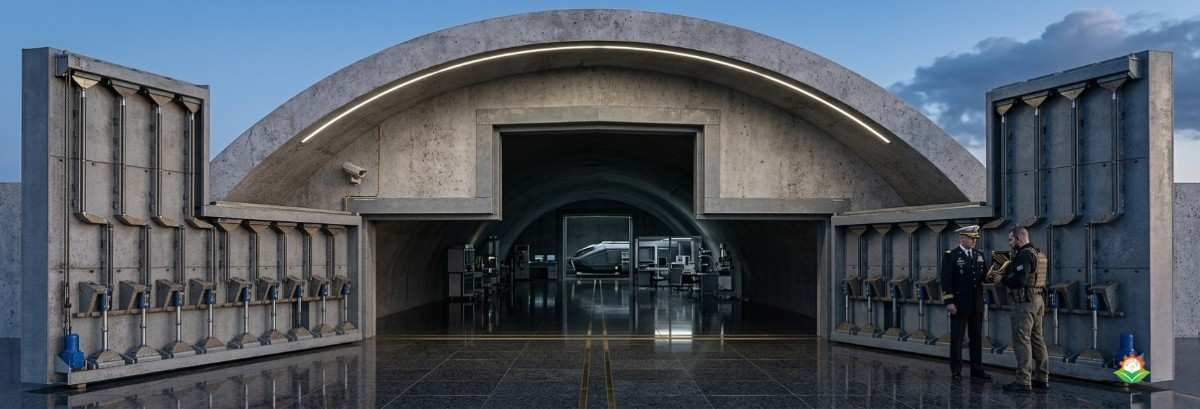
A Cessna Citation parked in an uncovered tiedown at a regional airfield in Gujarat sustained ₹18 lakhs of weather-related damage during a single dust storm — abraded windshields, contaminated avionics cooling systems, and corrosion initiation on unprotected flight control surfaces. A similar aircraft in the adjacent hangar, behind a properly sealed hangar door, emerged with nothing more than routine cleaning required. The only difference was the door between the aircraft and the weather.
A hangar door is the primary weather defence for everything inside the hangar. When it is correctly specified, installed, and maintained, it provides reliable protection against the full range of weather threats India's aviation environment presents. When it is not, the building shell provides structure but the door becomes the weak point through which weather damage enters.
Weather Damage to Aircraft: What the Door Is Protecting Against
The weather threats that affect aircraft stored inside hangars are more varied than is commonly appreciated. Rain ingress is the most obvious, but it represents only one element of a broader protection requirement.
Moisture and humidity are persistent threats regardless of direct rain contact. A hangar door system that seals against rain but allows high-humidity external air to freely exchange with the interior creates condensation cycling on metal airframe components, avionics, and fluid systems. Over time, this produces corrosion on structural components, seal degradation on fluid systems, and moisture-related failures in avionics that are expensive and difficult to trace back to the root cause.
Dust and particulate ingress is a significant issue across India's drier regions. Fine abrasive particles suspended in dust storm events penetrate surprisingly small gaps, depositing on optical surfaces, contaminating precision mechanical components, and initiating corrosion when moisture subsequently contacts the deposited particulate. Aircraft that survive a dust storm visible to the eye may still require detailed internal inspection and cleaning if the hangar seal system failed to prevent infiltration.
UV radiation affects composite airframe components, transparent enclosures, and interior fabrics in aircraft stored near inadequately sealed door openings where direct sun exposure is possible during door operation periods.
Temperature extremes create their own damage mechanisms. Rapid thermal cycling stresses composite joints and accelerates fatigue in bonded assemblies. In facilities where door sealing allows external temperature extremes to penetrate, internally stored aircraft do not receive the thermal stability benefit that the building structure was designed to provide.
How a Well-Engineered Door System Provides Protection
The Layers of Weather Defence
A correctly designed aircraft hangar door provides weather protection through several engineered layers working together.
Structural wind resistance is the foundation. The door must remain closed and structurally intact under the wind pressures associated with the site's design wind speed. A door that deforms, deflects excessively, or is displaced from its closed position by wind loading fails at the most basic protection function. Structural adequacy under IS 875 Part 3 wind loads for the specific site is the minimum requirement — not a generic wind rating.
Perimeter sealing prevents infiltration around the door edges. Compression seals at the jambs, head seals at the top of the opening, threshold seals at the base, and interleaf seals between adjacent panels on multi-leaf systems collectively determine how much external air, moisture, and particulate reaches the interior with the door closed. The sealing system is an integrated design element, not a collection of independently selected products.
Threshold drainage complements the threshold seal. On exposed sites, water reaching the door base under driving rain conditions needs a drainage path that prevents accumulation against the seal face. Threshold channels integrated into the floor design, with adequate capacity for the site's rainfall intensity, prevent water ponding at the point of highest vulnerability.
Thermal performance of the door leaf affects the hangar's internal temperature stability. Insulated door panels — relevant for aerospace manufacturing environments, precision calibration facilities, and any hangar where environmental control affects aircraft protection — reduce thermal transfer through the door face and prevent the large-scale condensation that occurs on cold, uninsulated metal door surfaces in humid conditions.
Specific Weather Scenarios and Door Response
Monsoon rain demands effective perimeter sealing and threshold drainage simultaneously. The combination of horizontal driving rain and ground-level water accumulation tests both the vertical seal faces and the floor-level protection system. A sealing system adequate for overhead rain may fail at ground level if the threshold arrangement does not address water run-on from the apron.
Dust storm events in Rajasthan, Gujarat, and the Indo-Gangetic plain test seal continuity across the full door perimeter. Fine particles penetrate gaps that would be imperceptible to water under gravity. Brush seals at jamb and head positions, where compression seals might leave microscopic gaps at extreme points of door leaf travel, provide better particulate exclusion than rigid seal profiles.
Cyclonic conditions test the structural performance of the whole door system simultaneously with its sealing capability. Under extreme wind, the door face deflects inward, reducing seal compression at mid-span while increasing it at the edges. Door leaf stiffness — the structural depth of the main spanning members — determines how much deflection occurs and whether the sealing system maintains contact throughout the deflection range.
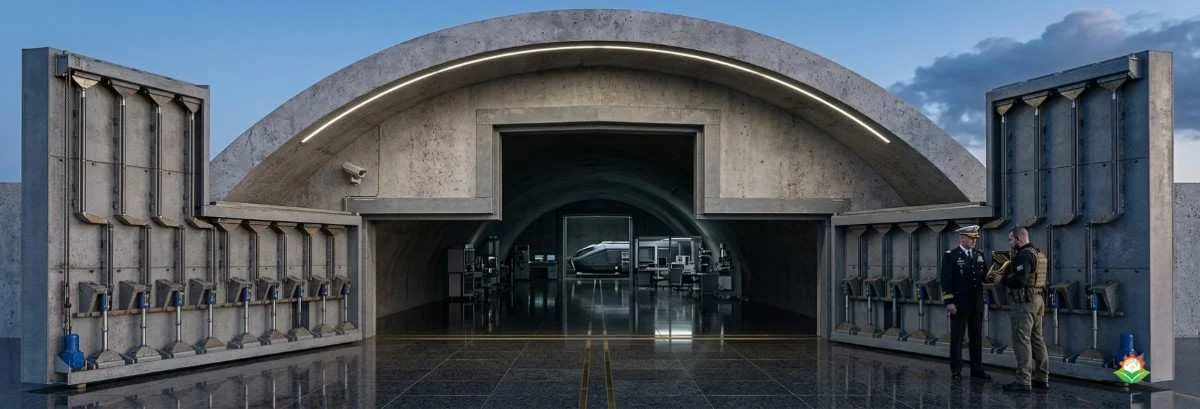
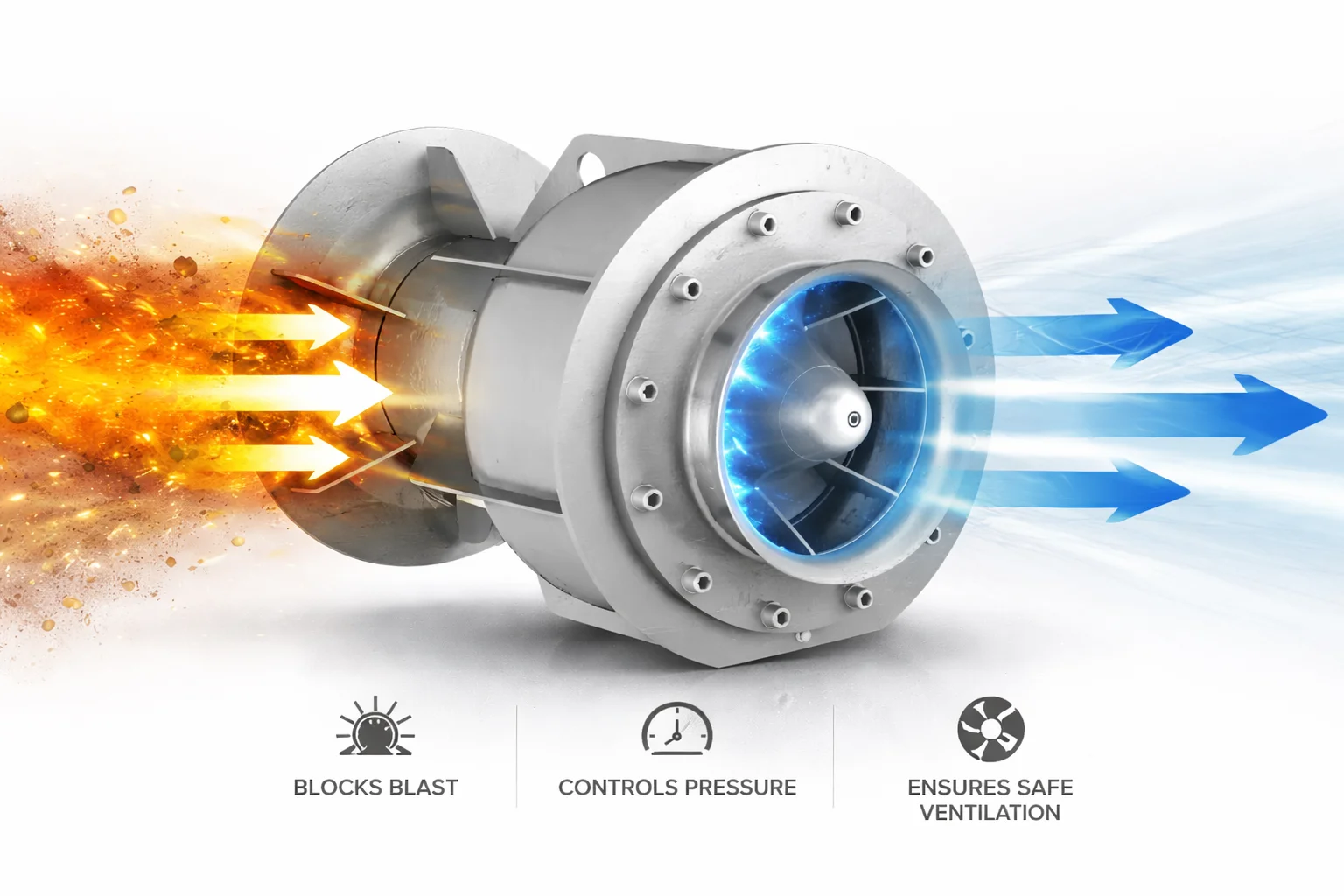
For facilities at defence establishments and high-security sites where weather protection extends to blast resistance, the structural and sealing requirements converge on systems that must perform across multiple threat scenarios. Technical documentation addressing these combined requirements is available through hangar door engineering resources for defence-standard specifications.
Maintenance That Preserves Weather Protection
A door that provides good weather protection on commissioning will not continue to do so without maintenance. Seal degradation is the most direct path from adequate protection to inadequate protection — it is slow, progressive, and invisible until water, dust, or humidity infiltration begins to cause observable problems.
Annual seal inspection, documented against previous condition records, is the minimum maintenance standard for weather-exposed aircraft hangar door installations. Hangar door manufacturers in India who provide structured maintenance programmes — including Sigma Power Tech's service operations — include perimeter seal condition in the formal inspection scope rather than treating it as a peripheral activity.
Track and drainage channel condition directly affects threshold protection. Drainage blocked by debris prevents water from leaving the door base zone; a track profile that has worn or settled allows ground-level gaps to develop at the door base. Both need to be part of the regular inspection scope.
Conclusion
A hangar door prevents weather damage through the combination of structural integrity, continuous perimeter sealing, effective drainage, and thermal performance — all of which must be engineered for the specific site's weather profile, not specified to a generic standard.
The aircraft inside represent investment that justifies a door system specified, installed, and maintained to provide genuine protection. Seals that are correct for the site environment, drainage that handles the site's rainfall intensity, and structure engineered for the site's wind zone are what the protection function requires.