Sign up with Google
 Sign in with Zoho

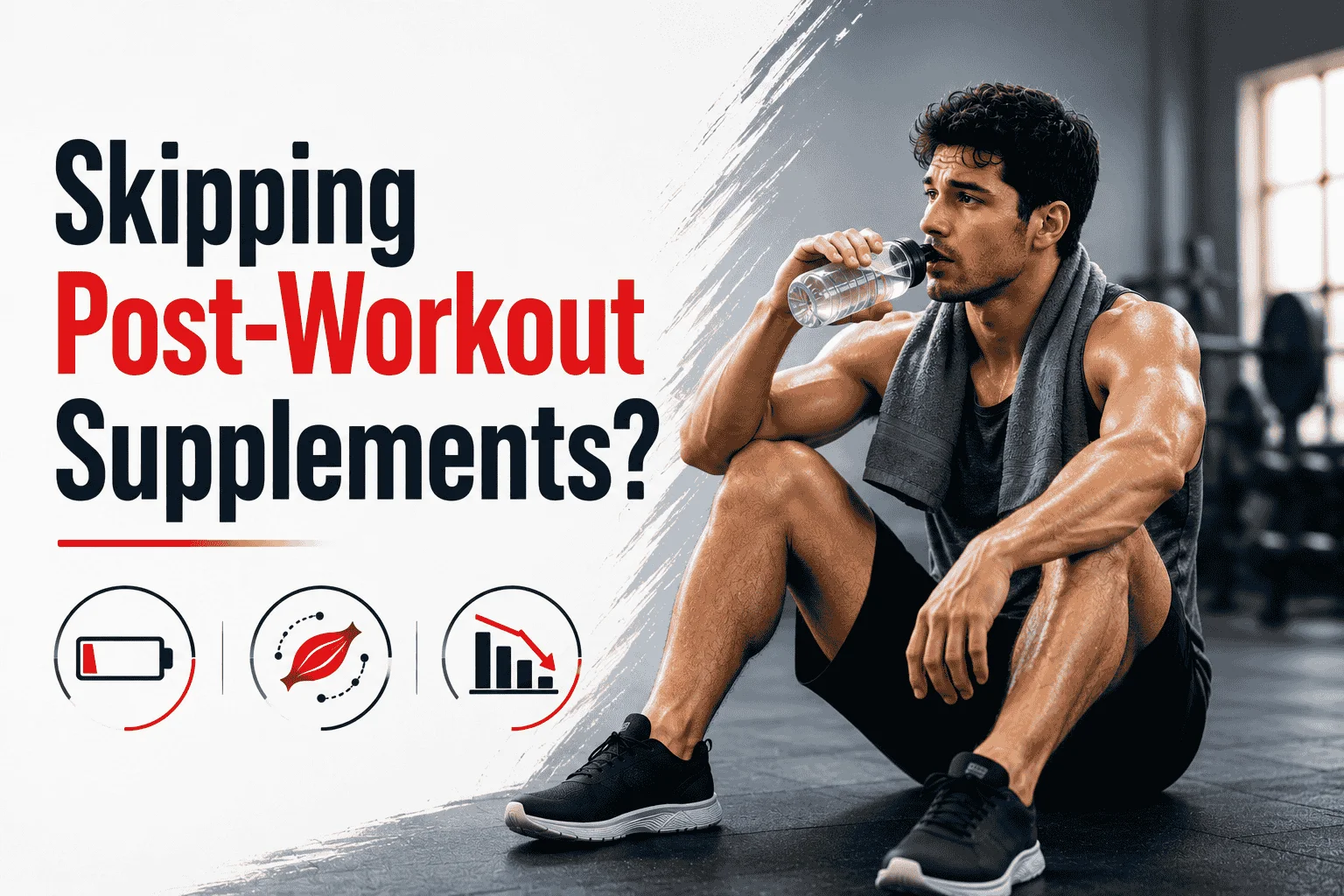
We've all been there: you finish a tough session, grab a quick shower, and dive straight back into your day without thinking twice about a recovery shake or snack. But does it actually matter?
Many people wonder whether skipping post workout supplements really affects their progress or if they're simply an optional part of a fitness routine. The answer depends on your training, diet, and overall recovery habits.
Look, missing a shake once in a while won't ruin your gains overnight. But if it becomes your default, you might find yourself feeling sluggish and taking longer to bounce back. Let's break down when that post-workout window truly counts.
Why Recovery Nutrition Matters After Exercise
Your workout doesn't end when you leave the gym. Once you finish exercising, your body begins recovering by repairing muscle tissue and restoring the energy you've used.
The right nutrition after exercise helps support this process by:
- Repairing and rebuilding muscle tissue
- Restoring energy stores
- Supporting muscle recovery
- Preparing your body for the next workout
The reason post-workout supplements are so popular is simple: convenience. When you can't sit down for a full meal immediately, a shake bridge the gap. That said, whole foods rich in protein and complex carbs can do the job just as well if you have the time.
What Happens If You Skip Post Workout Supplements?
Your body won't suddenly lose muscle because you skipped one protein shake. However, if missing post-workout nutrition becomes a regular habit, several aspects of your recovery may gradually be affected.
Will Skipping Post-Workout Supplements Slow Muscle Recovery?
After a workout, your muscles need protein to repair and rebuild. If you consistently delay protein intake or don't consume enough throughout the day, recovery may take longer. This can leave your muscles feeling tired and less prepared for your next workout.
Can Skipping Recovery Nutrition Make You Feel Sorer?
Muscle soreness is a normal part of training, especially after intense workouts or new exercises. While supplements won't eliminate soreness, getting enough protein and carbohydrates after exercise can support recovery and help reduce prolonged fatigue.
Will You Have Less Energy for Your Next Workout?
Your body uses stored carbohydrates for fuel during exercise. If those energy stores aren't replenished through food or recovery nutrition, you may feel more fatigued and find it harder to maintain the same performance during your next workout.
Fortunately, supplements aren't the only solution. A balanced meal eaten within a reasonable time after training can provide many of the same nutrients your body needs to recover.
Can You Build Muscle Without Recovery Supplements?
Absolutely. Let's clear up one of the biggest myths in fitness: you don't *need* supplements to see results.
Building muscle depends on several factors working together:
- Progressive strength training
- Adequate daily protein intake
- Sufficient calories
- Proper sleep
- Consistent recovery
If you're hitting your protein goals through chicken, lentils, or eggs, you're golden. But for those of us with back-to-back meetings or a hectic commute, a protein powder for muscle gain is a literal lifesaver for staying on track.
Does Your Fitness Goal Change Your Recovery Needs?
Absolutely. The type of recovery nutrition that's right for you depends on your fitness goals, workout intensity, and daily eating habits. Your recovery needs aren't the same as everyone else's. Someone training to build muscle has different nutritional requirements than someone who exercises mainly to stay active.
If Your Goal Is to Build Muscle
Building muscle requires consistent strength training, enough daily protein, and adequate recovery. While many people can meet their protein needs through whole foods, others may find it challenging because of busy schedules or limited meal options. In those situations, a protein powder can be a convenient way to increase daily protein intake. Some people also choose an isolate protein powder if they prefer a high-protein option with minimal fat and carbohydrates.
If You're Trying to Gain Healthy Weight
Gaining muscle isn't only about eating more protein. You also need enough calories to support growth and recovery. If eating larger meals is difficult, some people include a muscle mass gainer in their diet to increase their calorie intake more conveniently. Depending on individual nutritional needs, a mass weight gainer may also be considered as part of a balanced meal plan rather than a replacement for regular food.
If You Exercise to Stay Active
Not everyone trains to build muscle or gain weight. Whether you enjoy regular gym workouts, running, cycling, or recreational sports, giving your body enough protein, carbohydrates, and fluids after exercise can support recovery and help you stay consistent with your routine.
Can Whole Foods Replace Post-Workout Supplements?
100%. If you have the time to cook, whole foods are often the superior choice because of the extra micronutrients they provide.
For example, meals like grilled chicken with rice, paneer with whole wheat roti, Greek yogurt with fruit, or tofu with quinoa provide excellent nutrients for recovery.
However, real life isn't always convenient.
But let's be real: life gets in the way. If you're training before a 9 AM meeting or traveling for work, post workout recovery supplements are your best friend. They offer a practical way to support your body without the stress of meal prep.
Think of supplements as a convenient addition to a balanced diet, not a replacement for it.
Common Post-Workout Recovery Mistakes
Skipping supplements is actually a minor mistake compared to some other common habits. If you really want to optimize your results, watch out for these pitfalls.
1. Not Eating Enough Protein Throughout the Day
Many people focus only on what they consume immediately after exercising.
In reality, your total daily protein intake plays a much bigger role in muscle recovery and growth than a single meal or shake.
2. Ignoring Carbohydrates
Protein is the builder, but carbs are the energy. Skipping them after a high-intensity session leaves your muscles depleted, making your next workout feel twice as hard as it should be.
3. Forgetting Hydration
Sweating leads to fluid and electrolyte loss.
Hydration is the most overlooked part of recovery. Replacing fluids and electrolytes is essential for protein synthesis and keeping your muscles functioning correctly.
4. Skipping Recovery Altogether
Training and then waiting five hours to eat is a recipe for burnout. Even if you don't use a supplement, get some nutrients in your system sooner rather than later to stop muscle breakdown.
Giving your body the nutrients it needs soon after exercise helps support the recovery process.
5. Depending Only on Supplements
Supplements should never become a substitute for balanced meals.
Whole foods provide vitamins, minerals, fibre, and other nutrients that powders alone cannot replace.
The best approach combines a nutritious diet with supplements only when needed.
Do You Need Recovery Nutrition After Every Workout?
It depends on the day. If you just took a light stroll or a rest-day stretch, a massive recovery shake might be overkill.
The answer depends on your workout and your daily nutrition.
You may benefit from post workout supplements if you:
- Train intensely several times a week.
- Find it difficult to meet your daily protein needs.
- Need a quick recovery option after workouts.
- Participate in endurance or competitive sports.
However, if you're pushing your limits several times a week, supplements become a strategic advantage. Consistency is far more important than achieving "perfection" every single day.
Consistency matters more than perfection.
Choosing the Right Recovery Nutrition
If you decide to include supplements in your routine, choose products that match your goals instead of following fitness trends.
- Someone aiming to build lean muscle may prefer an isolate protein powder because it provides high-quality protein with minimal fat and carbohydrates.
- Individuals trying to increase overall calorie intake may find a mass weight gainer or muscle mass gainer more suitable.
- Recreational gym-goers may simply need a quality protein powder for muscle gain alongside a balanced diet.
Ignore the flashy marketing and read the labels. Look for protein sources and ingredient transparency. With the variety of sports nutrition supplements in india available, doing a little homework goes a long way.
Rather than choosing a supplement based on marketing claims or social media trends, look for products that align with your fitness goals, dietary preferences, and training routine.
Support Your Recovery the Smart Way
Whether you rely on whole foods, supplements, or a combination of both, the goal is the same: supporting consistent recovery and long-term progress. Understanding your nutritional needs and choosing products that match your fitness goals will help you make more informed decisions. If you're exploring recovery options, compare ingredients, nutritional value, and quality standards before selecting a trusted brand such as QNT Sport India.
Frequently Asked Questions
1. Is it bad to skip post workout supplements?
Not at all. Your long-term success is built on your total diet. Missing a shake here and there won't derail your progress as long as you're consistent with your meals overall.
2. Can I build muscle without recovery products?
Yes. Muscle growth depends on consistent resistance training, adequate daily protein intake, sufficient calories, and proper recovery. Supplements simply make it easier to meet your nutritional goals.
3. How soon should I eat after a workout?
While you don't need to rush, aim for a balanced intake within 1–2 hours. This ensures your body has the resources it needs to start the repair process immediately.
4. Are whole foods better than supplements after exercise?
Whole foods are the foundation. Supplements are the "add-on" for when life gets busy, or your nutritional needs are too high to meet through meals alone.
5. Who benefits the most from post-workout supplements?
Athletes, regular gym-goers, people with higher protein needs, and those with busy schedules often find post workout recovery supplements helpful because they offer a convenient way to support recovery after exercise.