Sign up with Google
 Sign in with Zoho

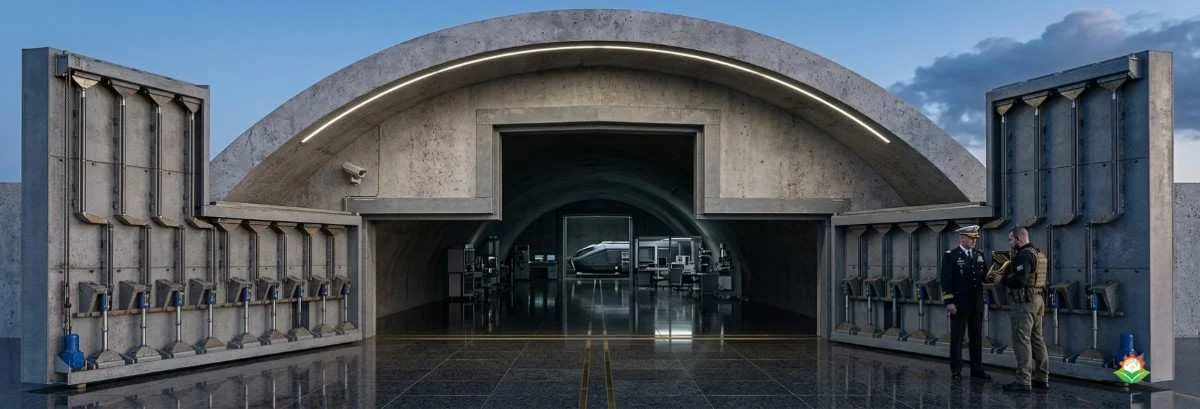
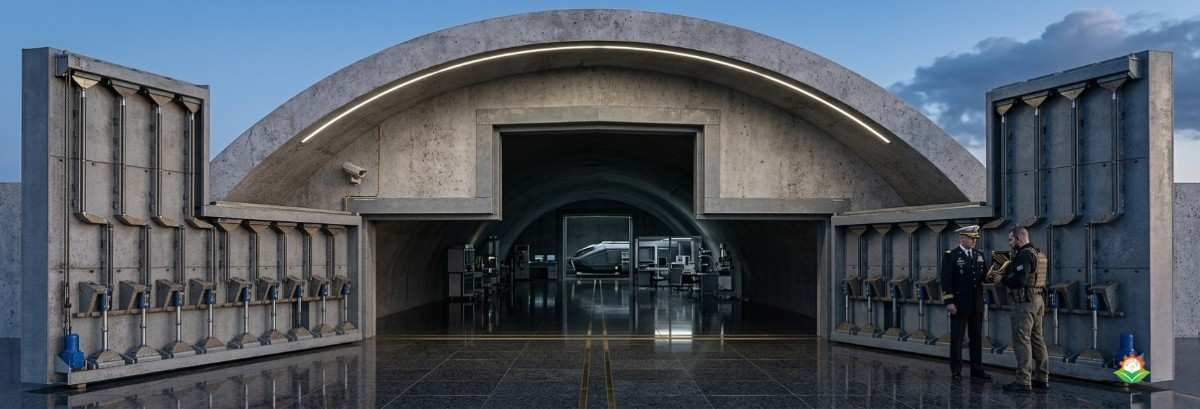
A new underground defence shelter is approaching the final stage of construction. The reinforced concrete structure, gas-tight doors, and emergency communication systems have all been approved. However, before the HVAC system can be commissioned, engineers must select the correct blast valves for the ventilation network. Choosing the wrong valve could allow explosion-generated pressure waves to travel through the ductwork, compromising both the facility and the people inside. Selecting the right blast valve is therefore one of the most important decisions in designing a safe, blast-resistant ventilation system.
What are Blast Valves?
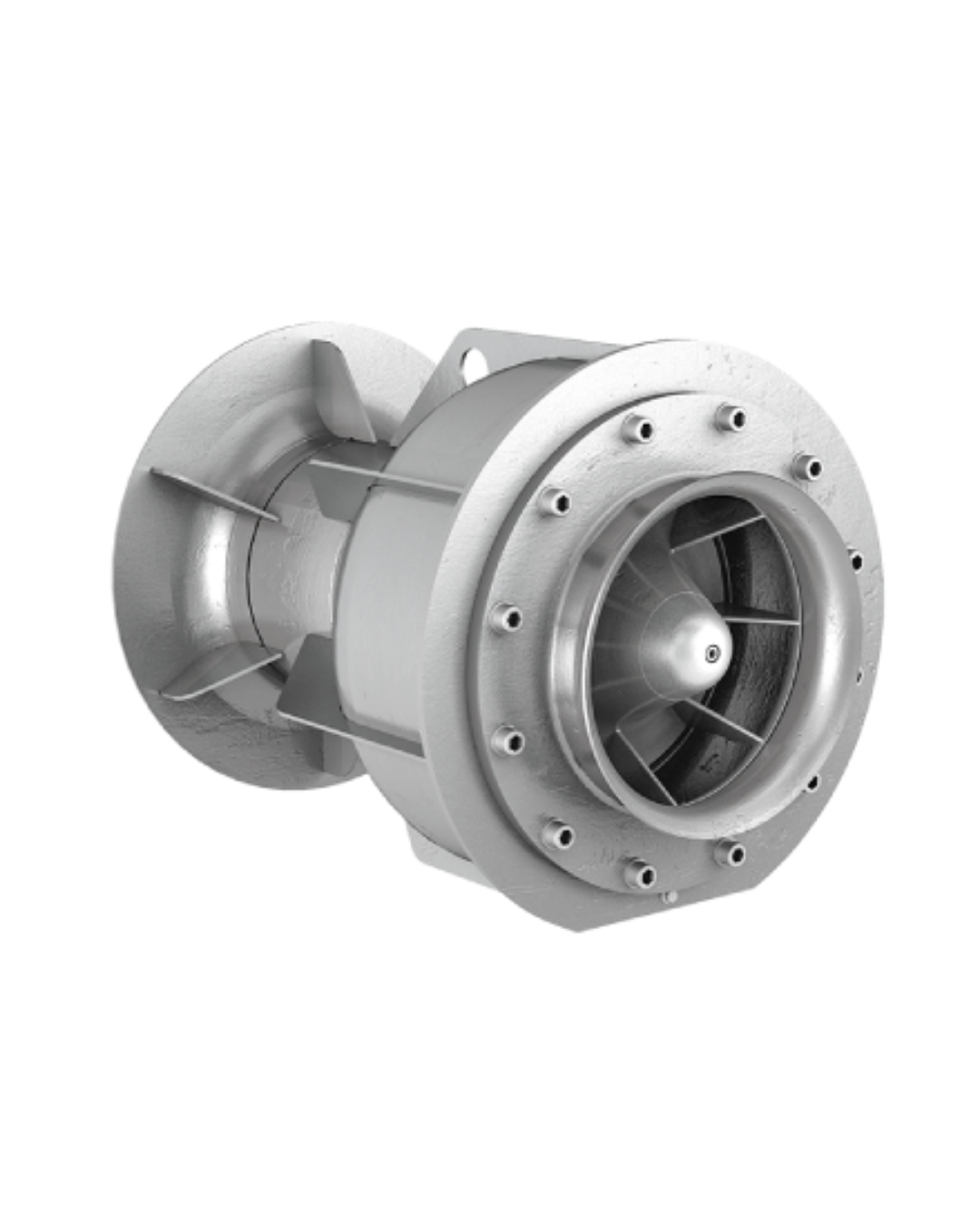
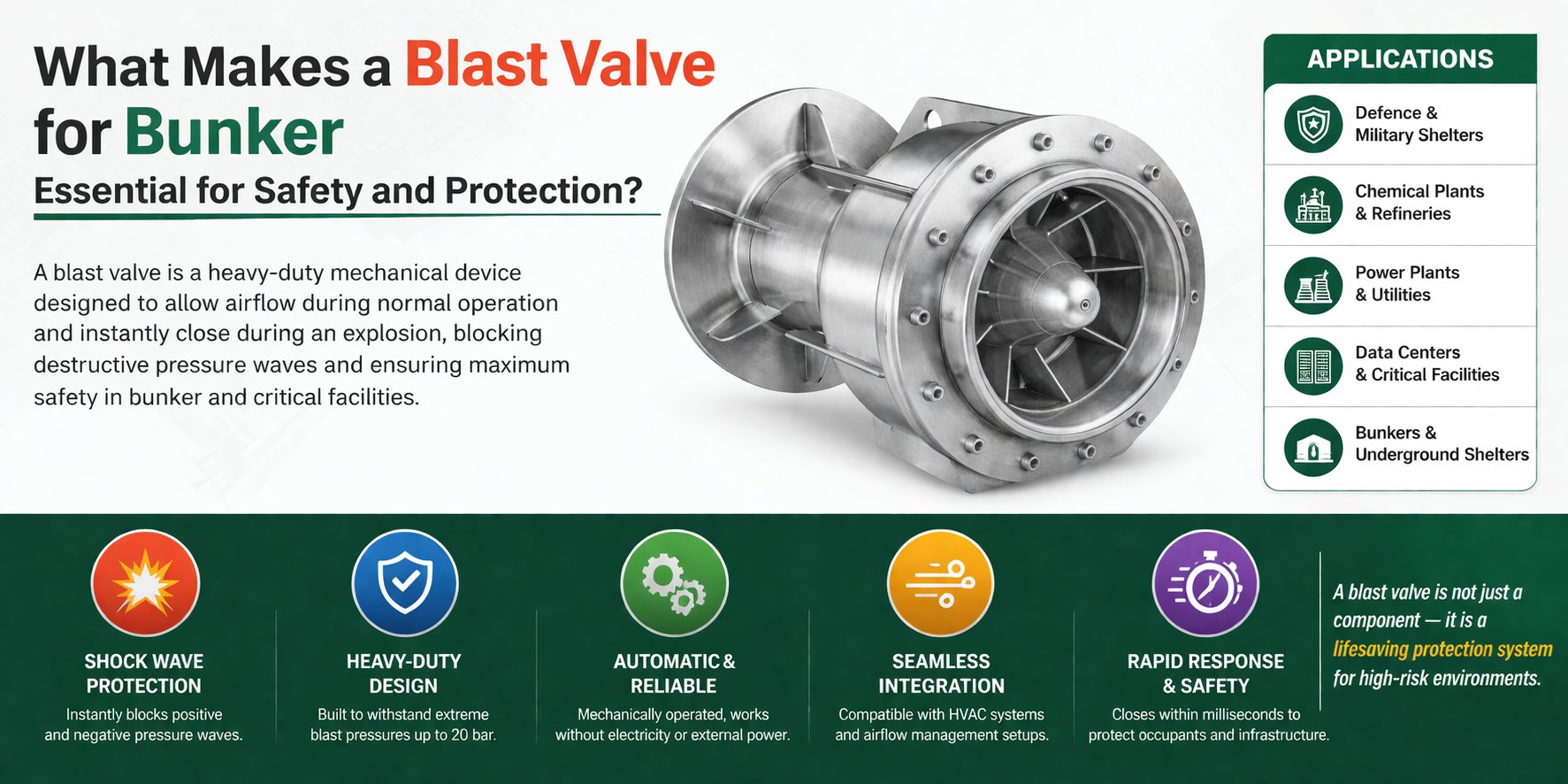
Blast valves are specialised mechanical safety devices designed to protect ventilation systems from the effects of explosions and sudden overpressure. Installed in air intake and exhaust ducts, they automatically close when a blast wave reaches the ventilation system, preventing destructive pressure from entering protected areas.
Unlike conventional HVAC components, blast valves are engineered specifically to withstand extreme overpressure while allowing unrestricted airflow during normal operation. They are widely used in military, industrial, and critical infrastructure projects where explosion protection is essential.
A properly specified Blast valve for bunker provides an additional layer of defence by safeguarding one of the most vulnerable parts of any protected structure—the ventilation system.
How Blast Valves Work Under Explosion Pressure?
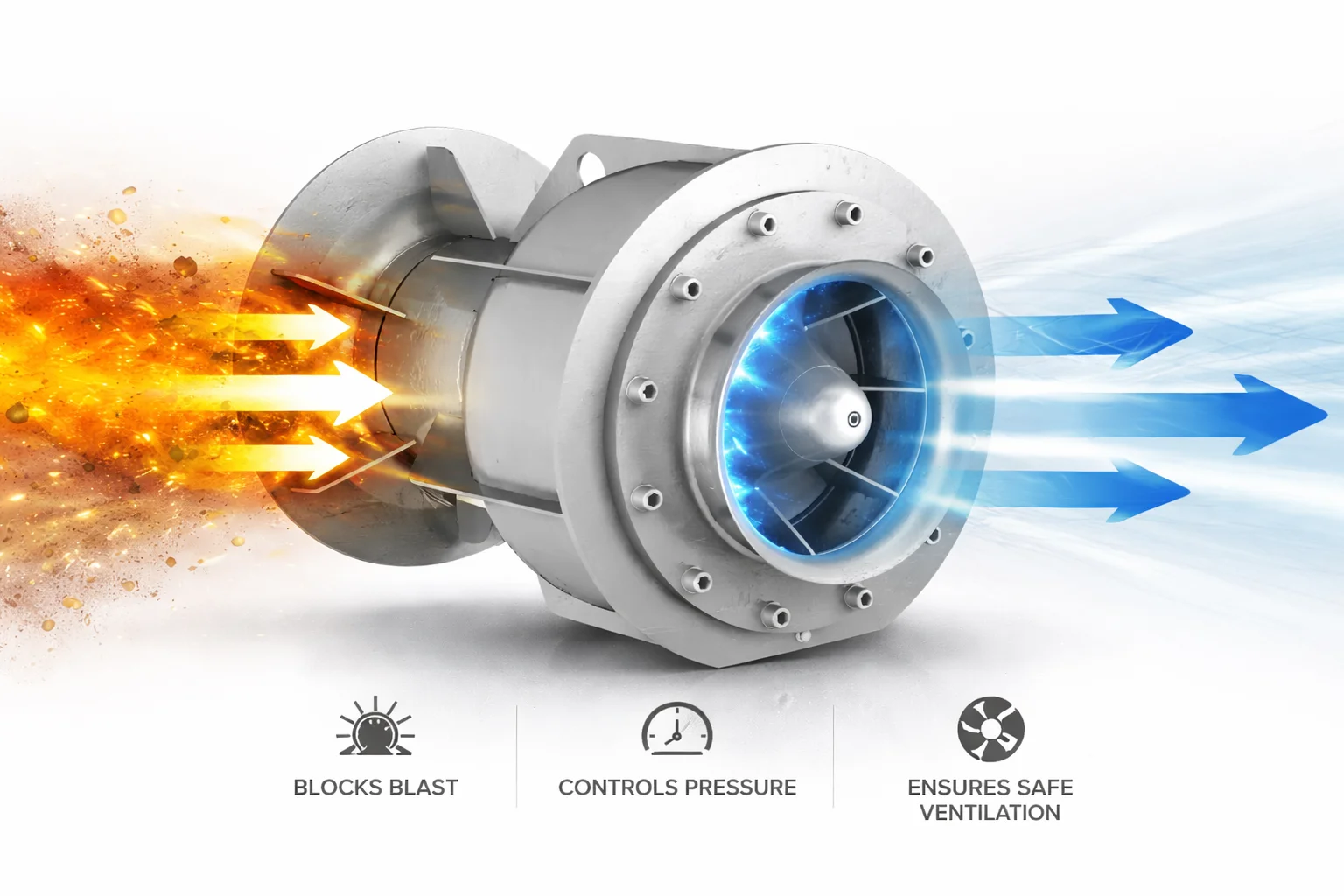
During normal operation, a Blast valve HVAC system allows fresh air to circulate through the building without restricting airflow.
If an explosion generates a high-pressure shockwave, the valve reacts within milliseconds. Its internal mechanism automatically closes, isolating the ductwork and preventing the blast wave from entering the protected facility.
Once pressure returns to safe levels, the valve reopens, restoring normal ventilation. This automatic process helps maintain structural integrity, protect critical equipment, and reduce the risk of injury during blast events.
How to Choose the Right Blast Valve?
Choosing the right blast valve requires more than simply selecting a product that fits the duct size. Engineers must evaluate the operational requirements of the facility and the expected threat level.
Key considerations include:
Pressure Rating:- The valve should be designed to withstand the maximum expected blast pressure for the application. An underspecified valve may fail during an explosion, while an oversized solution can unnecessarily increase project costs.
Airflow Capacity:- The valve must support the required ventilation rate without creating excessive pressure loss. Proper airflow calculations ensure efficient HVAC performance during normal operation.
Installation Environment:- Environmental conditions such as humidity, coastal exposure, corrosive chemicals, or extreme temperatures influence material selection and protective coatings.
Structural Compatibility:- The valve should integrate seamlessly with the existing ductwork, HVAC layout, and protective infrastructure without restricting maintenance access.
Compliance and Testing:- Always choose products that have undergone pressure testing and meet recognised engineering or defence standards. Verified testing provides confidence that the valve will perform as intended during an emergency.
Key Features of High-Quality Blast Valves
Reliable blast valves combine precision engineering with robust construction.
Important features include:
- High pressure resistance
- Heavy-duty structural strength
- Corrosion-resistant materials
- Long operational durability
- Excellent sealing efficiency
- Optimised airflow management
- Rapid automatic closure
- Reliable safety performance
These characteristics ensure dependable protection while supporting efficient HVAC operation throughout the life of the facility.
Where Blast Valves are Used
Blast valves are installed in facilities where explosion protection and controlled ventilation are critical.
Typical applications include:
- Military bunkers and underground shelters
- Defence command centres
- Ammunition storage facilities
- Industrial manufacturing plants
- Chemical and petrochemical facilities
- Nuclear and thermal power stations
- Hazardous processing environments
- Emergency operation centres
- Secure Blast valve HVAC installations
A Blast valve for bunker remains one of the most common applications because ventilation systems represent essential but vulnerable openings within blast-resistant structures.
Although terms like Blast Gate and Blast damper are sometimes used in similar discussions, they are different products. A blast gate regulates airflow in industrial dust collection systems, while a blast damper controls airflow in standard HVAC installations. Neither is engineered to provide the same level of explosion resistance as a certified blast valve.
Factors Affecting Blast Valve Price in India
The Blast valve price depends on multiple engineering and manufacturing factors.
Common pricing considerations include:
- Material quality
- Pressure rating
- Valve design complexity
- Manufacturing precision
- Custom engineering requirements
- Compliance with certification standards
- Installation environment
- Size and airflow capacity
- Protective coatings
- Factory testing and quality assurance
While lower-cost products may appear attractive, the long-term value of a blast valve depends on reliability, performance, and compliance rather than initial purchase price alone.
How to Choose Blast Valve Manufacturers in India
Selecting the right manufacturer is equally important as selecting the valve itself.
Before making a decision, evaluate manufacturers based on:
- Industry experience
- Engineering expertise
- Product testing capabilities
- Compliance certifications
- Manufacturing quality systems
- Customisation capability
- Technical documentation
- Installation support
- Maintenance assistance
- Long-term product reliability
Common Mistakes to Avoid
Many procurement challenges arise from overlooking critical engineering details.
Avoid these common mistakes:
- Choosing products based only on Blast valve price
- Ignoring required pressure ratings
- Selecting valves incompatible with HVAC system requirements
- Confusing a Blast Gate or Blast damper with an explosion-rated blast valve
- Overlooking inspection and maintenance requirements
- Using incorrect specifications for high-risk facilities
- Failing to review testing documentation
- Purchasing from suppliers without proven technical expertise
A properly engineered blast valve should always be selected according to risk assessment, system design, and operational requirements.
Understanding the Term "Blast Valve Hot Air Balloon"
The phrase Blast valve hot air balloon often appears in search results but refers to a venting mechanism used in hot air balloons to release heated air during flight and landing. Despite sharing similar terminology, these aviation valves are completely unrelated to industrial blast valves used in protective HVAC systems and bunker infrastructure.
Conclusion
Choosing the right blast valve is a critical step in designing a safe and reliable protective ventilation system. The correct valve must match the facility's pressure requirements, airflow capacity, environmental conditions, and engineering standards while delivering dependable performance during extreme events.
By focusing on certified products, experienced manufacturers, and proper system integration rather than cost alone, organisations can significantly improve explosion resilience and long-term HVAC reliability. In defence facilities, industrial plants, power stations, and other high-risk environments, selecting the right blast valve is an investment in infrastructure protection, operational continuity, and human safety.