Sign up with Google
 Sign in with Zoho

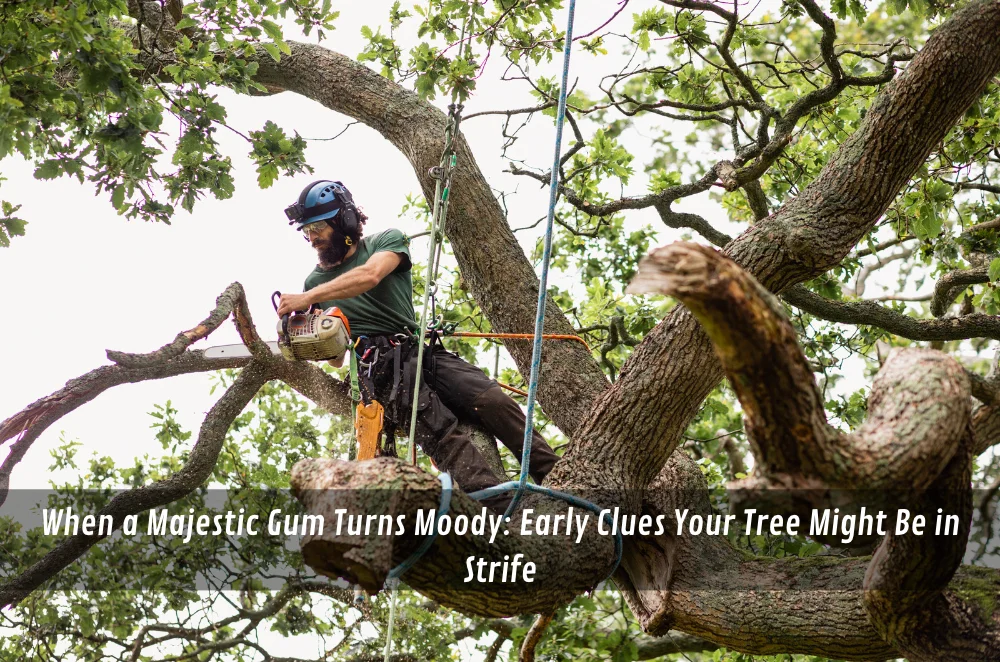
Melbourne’s leafy streets rely on healthy mature trees. Yet even the toughest river red gum or lemon-scented gum eventually flags that life is getting harder: a split limb here, a ring of mushrooms there. Spotting these hints early matters because once decay sets in, wind, gravity and a hefty clean-up bill often follow.
Local bylaws highlight the value of pre-emptive care. The City of Melbourne tree protection guidelines note that early consultation reduces permit hurdles and helps preserve canopy cover. Below are five warnings that homeowners commonly miss until a spring storm forces the issue.
Bark That Peels in Odd Patterns
Shedding thin strips of bark is normal for many Australian natives. Trouble starts when the pattern changes. Tell-tale signs include:
- Bark lifting away in thick plates on only one side
- Fresh wood underneath that looks damp, dark or spongy
- Fine sawdust collecting around the trunk, often a borer’s calling card
When moisture lodges behind loose bark, decay fungi move in and the affected side weakens. Melbourne’s prevailing westerlies then twist the tree toward the street or a neighbour’s fence. If you notice sudden bark upheaval after a wet winter, book a professional inspection rather than plugging gaps with sealant.
Is It Cosmetic or Structural?
- Uniform, paper-thin flakes all over the trunk usually signal a regular seasonal shed.
- Patchy plates in one quadrant hint at localised rot that needs professional attention.
- Soft, sponge-like tissue under peeling bark points to advanced decay and a potential removal plan.
A Crown Thinning From the Inside Out
Canopies naturally shed inner leaves as outer growth steals the light. A sudden bareness, however, often means compacted roots, nutrient shortages or disease.
Urban soils around extensions, driveways or pool digs compact easily. Roots suffocate, inner foliage browns and dieback creeps upward. Aeration, mulching and selective pruning can revive crowns if caught early, but once bare patches reach halfway, failure accelerates.
Experienced gardeners often keep notebooks or photo logs through the seasons. Their all-season care observations make it easier to spot whether a thinning crown is a one-off drought response or the first act of decline.
Fungi at the Base or Along Heavy Limbs
Not every bracket fungus dooms a tree, yet most appear only after wood starts rotting inside. Take special note of:
- Shelf-like conks that feel woody and stubborn to the touch
- Soft, crumbly mounds forming where a large limb meets the trunk
- Mushrooms in a neat circle around the base after spring rain
These fruiting bodies feed on cellulose and lignin, hollowing the core. Wind-load calculations become guesswork once internal support changes. Even on quiet days, a hollow limb can snap without warning. Early removal of infected branches can save the rest of the canopy; ignoring fruiting bodies rarely does.
Sudden Lean or Soil Heaving
A gentle lean developed over decades is not automatically risky; roots compensate by strengthening on the tension side. New tilts, especially after saturated periods, spell danger. Clay soils common in Melbourne’s eastern suburbs swell, then release their grip. When gusts catch a heavy canopy, the root plate shifts, creating a mound of lifted soil opposite the lean. That heave is the tree’s version of shouting for help.
If the lean increases over days rather than years, rope off the fall zone. Partial pruning won’t restore anchorage. Insurance assessors often deem progressive lean-related collapses preventable, so quick action protects both property and cover.
Epicormic Shoots After Hard Pruning
Those clusters of thin, upright shoots that burst from a freshly lopped limb are called epicormic growth. While they show the tree’s resilience, they also hint at stress. The shoots anchor shallowly and can snap as they fatten. The underlying wound stays open to infection longer than a collar-respecting cut would.
Epicormic fireworks usually follow aggressive tree lopping rather than science-backed canopy reduction. The remedy is not another big cut but strategic thinning in later seasons and, at times, reassessing whether the initial prune was justified.
Why Timing an Assessment Beats an Emergency Call-Out
Storm-season felling costs more, strains crews and can trigger urgent council permits. Arranging a measured assessment during calmer months offers clear advantages:
- Arborists can access the full canopy safely without battling high winds.
- Schedules are more flexible before summer heatwaves stretch resources.
- Staged pruning balances safety with shade retention, preserving property value.
This is the moment to involve experienced tree service professionals in Melbourne who can weigh up structural risks, local regulations and long-term habitat benefits.
What to Expect After the Arborist Visit
A reputable consulting arborist typically delivers a written report covering:
- Overall health and structural integrity rating
- Recommended interventions such as crown thinning, bracing or phased removal
- Local permit requirements under Melbourne Planning Scheme overlays
- Re-inspection timelines or simple monitoring tips for homeowners
Clear language, photographs and load calculations help you weigh costs against safety. Where removal proves unavoidable, mulching and replanting guidance will maintain neighbourhood canopy goals.
Keeping Trees Healthier for Longer
Melbourne’s liveability is inseparable from its mature gums, elms and planes. By reading subtle warnings — peeling bark, thinning crowns, unexpected fungi, sudden leans and epicormic stress shoots — homeowners can act early rather than tidy up late. Timely decisions safeguard both safety and the city’s leafy character well into the 2030s.