Sign up with Google
 Sign in with Zoho

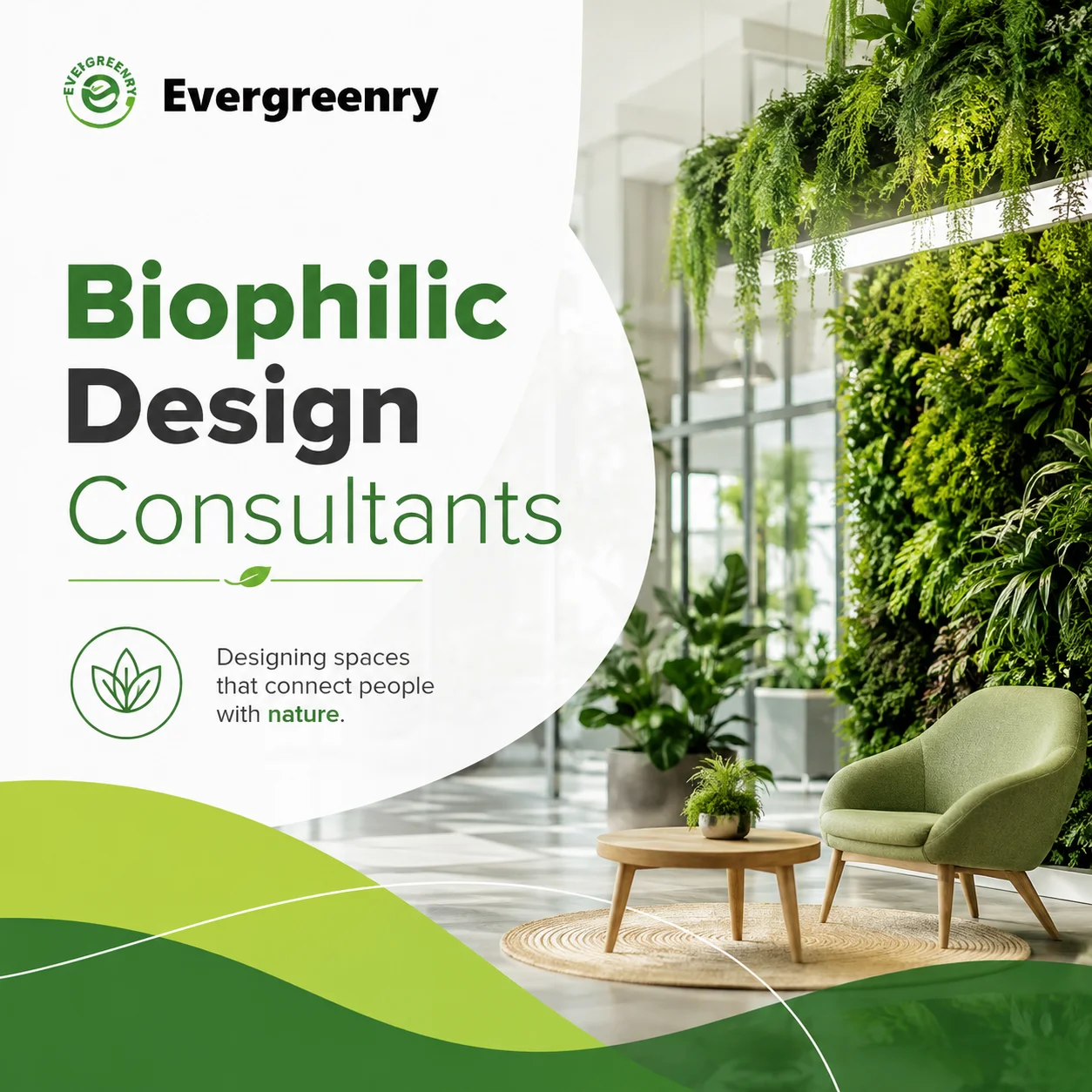
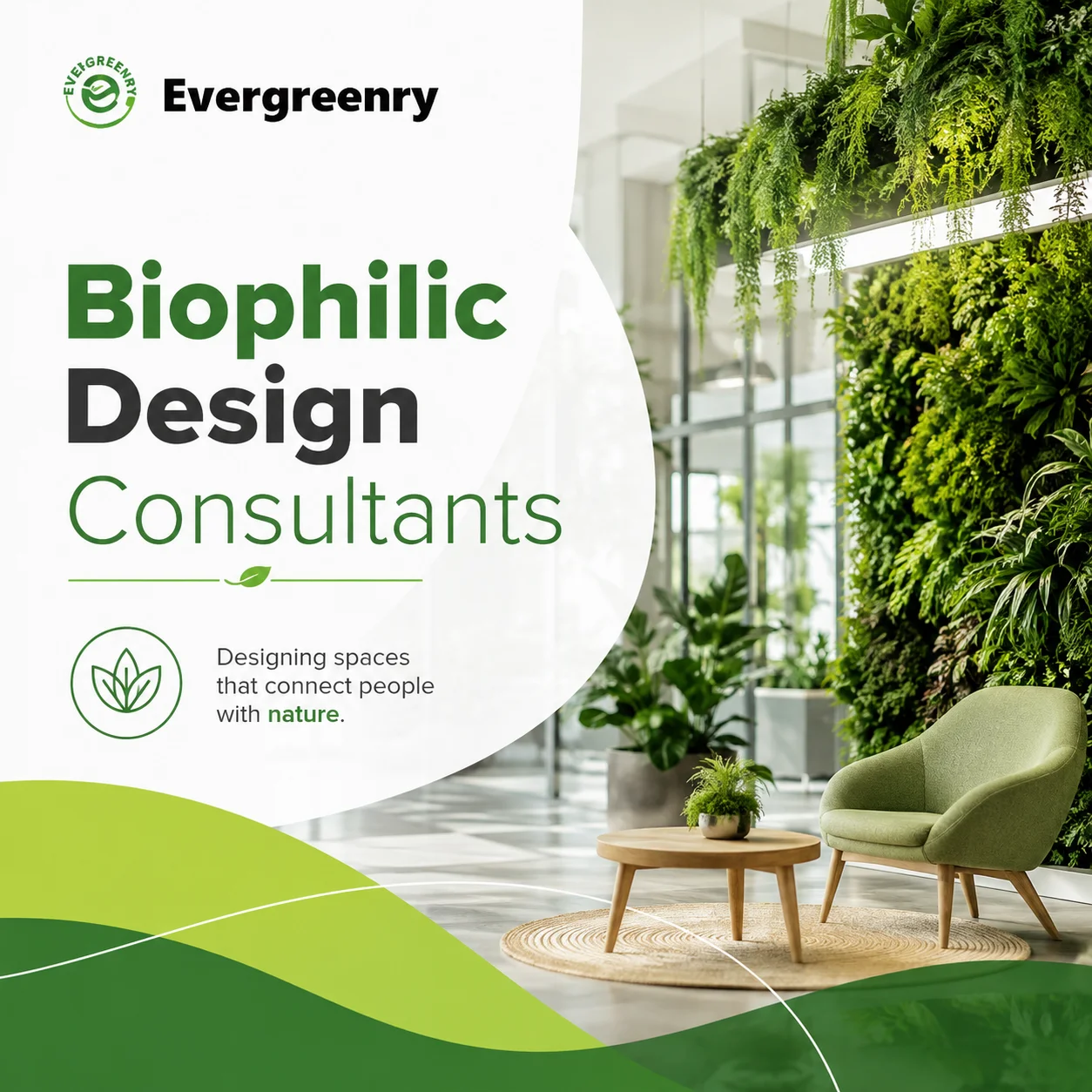
The demand for healthier, more sustainable, and people-focused environments is changing how buildings and interiors are designed. Biophilic design consultants help organizations and design teams introduce meaningful connections with nature through greenery, daylight, natural materials, outdoor views, and nature-inspired spatial concepts. Their expertise can support projects ranging from offices and hotels to healthcare facilities, residential developments, and public spaces.
Biophilic design goes beyond decorating a room with plants. It considers how occupants interact with their surroundings and how natural elements can be integrated into the overall design strategy. When thoughtfully planned, these features can contribute to visual comfort, a stronger sense of place, and a more engaging indoor environment.
How Biophilic Design Consultants Shape Better Environments
A biophilic design consultant evaluates the relationship between people, architecture, interiors, and the surrounding environment. Their work often begins with understanding the site's conditions, including natural light, ventilation, views, landscape, climate, and existing vegetation.
Rather than applying the same solution to every project, consultants develop strategies based on the building's purpose and users. A corporate office might require flexible green zones and access to daylight, while a hotel may benefit from landscaped arrival areas, natural textures, and indoor-outdoor transitions.
Integrating Nature Into Architecture
Successful biophilic design can influence architecture from the earliest planning stages. Windows can be positioned to improve views of greenery, courtyards can bring natural elements deeper into a building, and terraces can create useful connections between indoor and outdoor areas.
Natural ventilation and daylight can also become part of the environmental strategy when site conditions allow. These decisions demonstrate why biophilic design works best when considered alongside architecture and building performance rather than as an afterthought.
The Role of Plants and Greenery
Plants are among the most recognizable features of biophilic interiors, but their selection and placement require careful consideration. Different species have different requirements for light, humidity, temperature, irrigation, and maintenance.
A professional approach considers both aesthetics and long-term practicality. Green walls, planters, indoor trees, vertical gardens, and landscaped courtyards can all be effective when matched with suitable maintenance systems.
Some important considerations include:
- Natural light availability and seasonal changes
- Plant species suitable for the indoor environment
- Irrigation and drainage requirements
- Accessibility for maintenance
- Material durability and safety
- Relationship between planting and circulation
- Visual connection between occupied areas and greenery
Natural Materials and Sensory Experience
Biophilic design also uses materials and textures to create a more natural atmosphere. Wood, stone, bamboo, clay, natural fibers, and organic textures can introduce visual warmth and variation.
Color selection can complement these materials through earthy, botanical, or nature-inspired palettes. Patterns based on leaves, waves, branches, or other natural forms can also add visual interest without overwhelming the space.
The goal is to create an environment that feels balanced and authentic rather than artificially themed around nature.
A Practical Biophilic Design Process
For a project to deliver lasting value, design decisions should be based on the site's characteristics and the needs of its users. A typical process can include:
- Assess the existing environment: Review daylight, views, ventilation, landscape, materials, and available space.
- Define project objectives: Establish whether the focus is workplace experience, hospitality, residential comfort, sustainability, or another goal.
- Develop design strategies: Select appropriate greenery, natural materials, daylight solutions, outdoor connections, and nature-inspired features.
- Coordinate with project teams: Align biophilic strategies with architects, interior designers, engineers, landscape specialists, and facility managers.
- Plan maintenance: Consider irrigation, plant care, cleaning, replacement, and long-term operational requirements.
- Review the completed space: Evaluate whether the implemented features work effectively for occupants and the building.
Why Professional Expertise Matters
Adding natural elements without proper planning can create maintenance challenges or reduce their long-term effectiveness. For example, a plant species that looks attractive in a showroom may not perform well in a low-light office. Similarly, a green wall requires appropriate irrigation, drainage, access, and ongoing care.
This is where biophilic design consultants can provide valuable guidance. They help connect creative ideas with practical requirements, ensuring that nature-inspired features work within the building's technical, operational, and environmental constraints.
Organizations such as Evergreenry are part of the broader landscape of professionals exploring ways to integrate greenery and nature-focused solutions into built environments. The most effective projects remain site-specific and consider the complete lifecycle of the design.
Biophilic Design and the Future of Built Spaces
As cities become denser and people spend more time indoors, the relationship between buildings and nature is becoming increasingly important. Biophilic design offers a framework for addressing this relationship through architecture, interiors, landscape, and environmental planning.
Future projects may combine biophilic principles with smart lighting, efficient irrigation, climate-responsive architecture, sustainable materials, and building management technologies. This can make nature-inspired environments more measurable, adaptable, and easier to maintain.
The most successful developments will treat nature as part of the overall design strategy rather than simply a decorative feature.
Conclusion
Biophilic design consultants help translate the human connection with nature into practical design decisions. Through greenery, daylight, natural materials, outdoor views, organic patterns, and thoughtful spatial planning, they can help create environments that feel more connected, comfortable, and purposeful.
For more info:
Contact Us : +919891347119
Address : 376, Udyog Vihar, Phase 2, Gurgaon Haryana 122016
Email : [email protected]

.webp)