Sign up with Google
 Sign in with Zoho

Every year, a new marketing channel promises to be the thing that finally cracks customer attention. Meanwhile, a plain text message no app, no algorithm, no fancy interface keeps quietly outperforming most of them. That's bulk SMS marketing, and if you've ever gotten a "flat 40% off, today only" text and actually opened it within seconds, you already understand why businesses keep coming back to it.
This isn't a nostalgia piece for an old-school channel. It's a practical look at how bulk SMS marketing actually works, why it still earns attention in an inbox-fatigued, notification-numb world, and how to use it in a way that builds trust instead of eroding it.
What Bulk SMS Marketing Actually Means
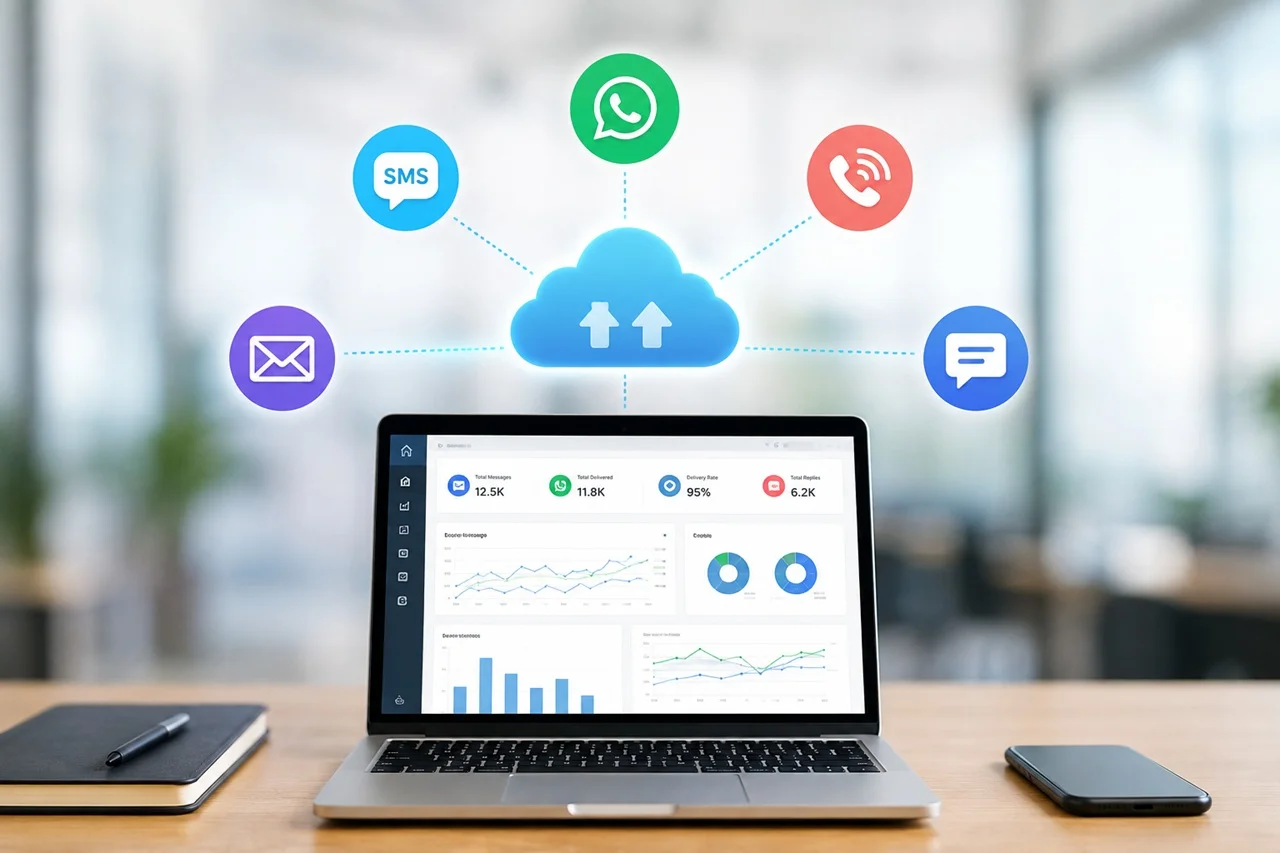
Bulk SMS marketing is the practice of sending promotional text messages offers, announcements, reminders to a large group of customers at once, using dedicated software instead of a phone's keypad. A business uploads a contact list, writes one message, and it goes out to hundreds or thousands of people in seconds, tracked and reported the whole way.
It sits in the same family as email marketing and social media advertising, but it plays by different rules. There's no algorithm deciding whether your message gets seen. There's no scrolling past it in a feed. It shows up, and it gets read usually within minutes.
Why SMS Still Wins on Attention
Open rates for SMS are consistently reported as far higher than email, and unlike a social media post, a text message doesn't have to compete for reach against a platform's changing rules. A few reasons this channel keeps holding up:
It doesn't need Wi-Fi, an app, or a login. SMS works on virtually any phone, which matters more than it sounds like in markets where smartphone and data access still vary.
It's read almost immediately. Most people check a new text within minutes of it arriving a stark contrast to an email that might sit unread for days, or a social post buried by the next hundred posts in someone's feed.
It feels direct, not curated. There's something about a plain text message that reads as more immediate and personal than a polished ad, even when it's clearly promotional.
None of this makes SMS a replacement for email or social media it's a different tool for a different moment, usually the moment you need someone to see something now.
What Makes a Bulk SMS Marketing Message Actually Work
The character limit that makes SMS feel restrictive is exactly what makes it effective, if you use it right. A few things that consistently separate messages people respond to from ones they ignore or block:
Lead with the offer, not a greeting. People skim a text in about a second. If the value isn't visible in the first few words, you've likely already lost them.
Weak: "Hi there! We hope you're having a great week. We wanted to let you know about our exciting new sale happening this weekend."
Better: "Weekend sale: 30% off everything, ends Sunday. Shop now: [link]"
One offer per message. Trying to promote three things at once dilutes all three. Pick the strongest offer and build the message around it.
Make the next step obvious. A link, a code, or a specific instruction never leave someone guessing what to do after reading.
Use urgency honestly. "Today only" works until you use it every week for a "sale" that never actually ends. Customers notice, and trust erodes fast when urgency starts to feel fake.
Don't overdo personalization. A first name can help. Forcing personalization into every message just to seem "smart" often reads as slightly unsettling instead.
The Line Between Marketing and Spam
Here's the part that separates businesses that build long-term trust through SMS from ones that burn through their contact list in a few months: consent and frequency.
Legitimate bulk SMS marketing is sent to people who've actually opted in through a checkout form, a signup page, a keyword-based subscription. It gives recipients an easy, obvious way to opt out. And it doesn't show up in someone's inbox every single day trying to sell something.
Most markets also regulate when promotional texts can be sent (commonly restricted to daytime hours), and require businesses to register their sender identity so recipients can trust who a message is actually from. These aren't just legal boxes to tick they're part of why SMS still has such high open rates in the first place. The moment it becomes indistinguishable from spam, that trust and the open rates that come with it disappears for everyone.
Where Bulk SMS Marketing Fits Best
SMS isn't the right channel for everything, and treating it like a replacement for your entire marketing strategy is a fast way to annoy your own customers. It tends to work best for:
- Time-sensitive offers flash sales, limited-stock alerts, last-day reminders
- Event promotion invites, RSVPs, day-of reminders
- Re-engagement campaigns a short nudge to customers who haven't purchased in a while
- Cart recovery a quick reminder for someone who added items but didn't check out
- Loyalty updates point balances, tier upgrades, exclusive early access
Longer-form storytelling, detailed product education, or brand-building content is usually better suited to email or social media, where there's more room to say more and less pressure to say it in one glance.
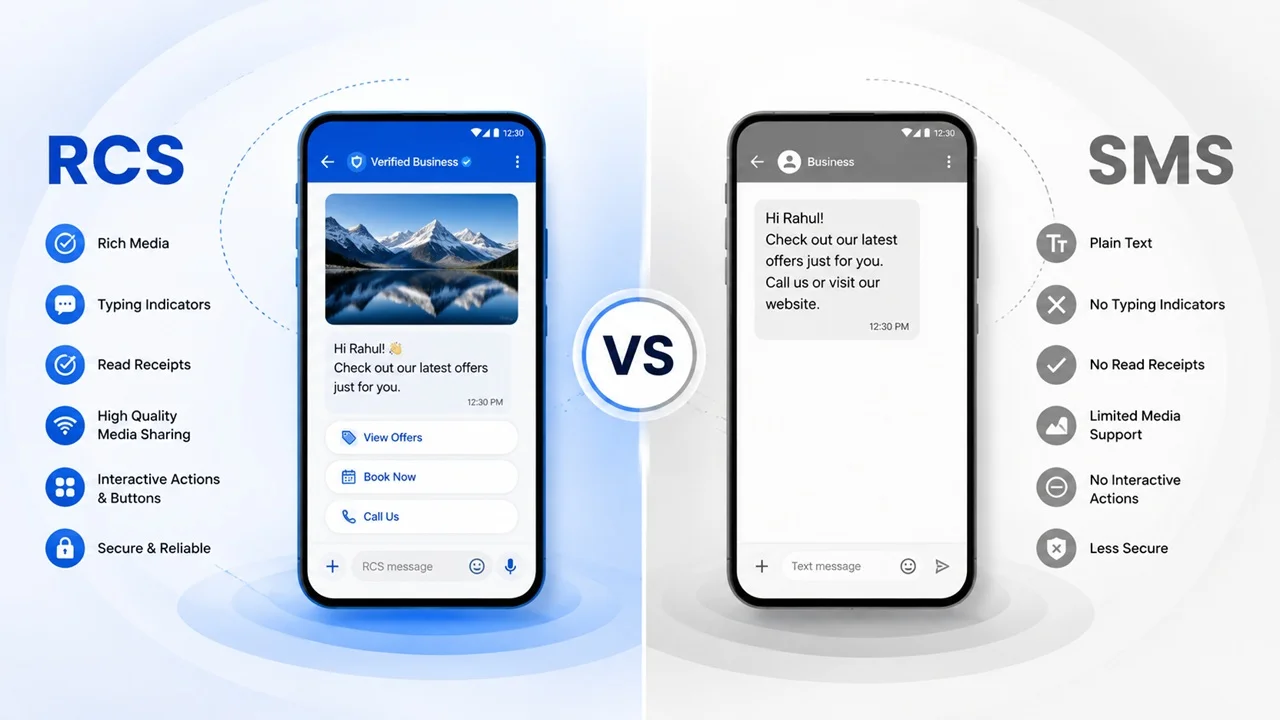
SMS Marketing vs. Email vs. Social Media
The strongest marketing strategies don't pick one of these over the others. They use each channel for what it's actually good at SMS for urgency and immediacy, email for depth, social for reach and brand presence.
Building a List Worth Messaging
The single biggest factor in whether an SMS marketing campaign performs isn't the copy it's the list. A smaller, genuinely opted-in list of people who want to hear from you will outperform a large, poorly consented one every time, both in engagement and in how many people eventually opt out entirely.
A few habits worth building early:
- Get explicit opt-in, not an assumed one buried in fine print
- Make opting out effortless a simple reply keyword is usually enough
- Segment your list by behavior or interest, so people only get offers relevant to them
- Clean the list regularly, removing inactive or invalid numbers so you're not wasting sends
Measuring Whether It's Actually Working
Delivery confirms a message arrived. It doesn't tell you whether the campaign actually did anything. The numbers worth watching over time:
- Click-through rate, if the message includes a trackable link
- Redemption rate, for discount codes or offers
- Opt-out rate a rising number here is usually the clearest early signal that you're sending too often or with too little relevance
Judging a single campaign in isolation tells you very little. Comparing performance across several campaigns is where the real insight shows up.
A Few Frequently Asked Questions
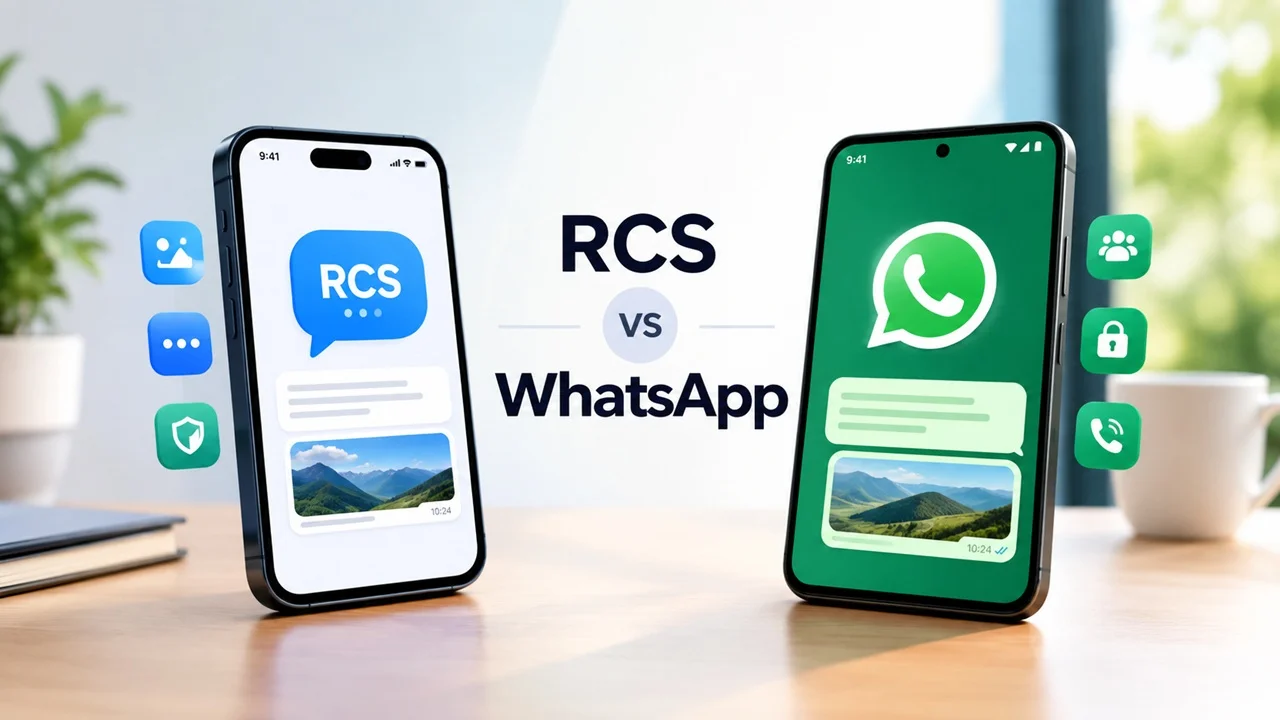
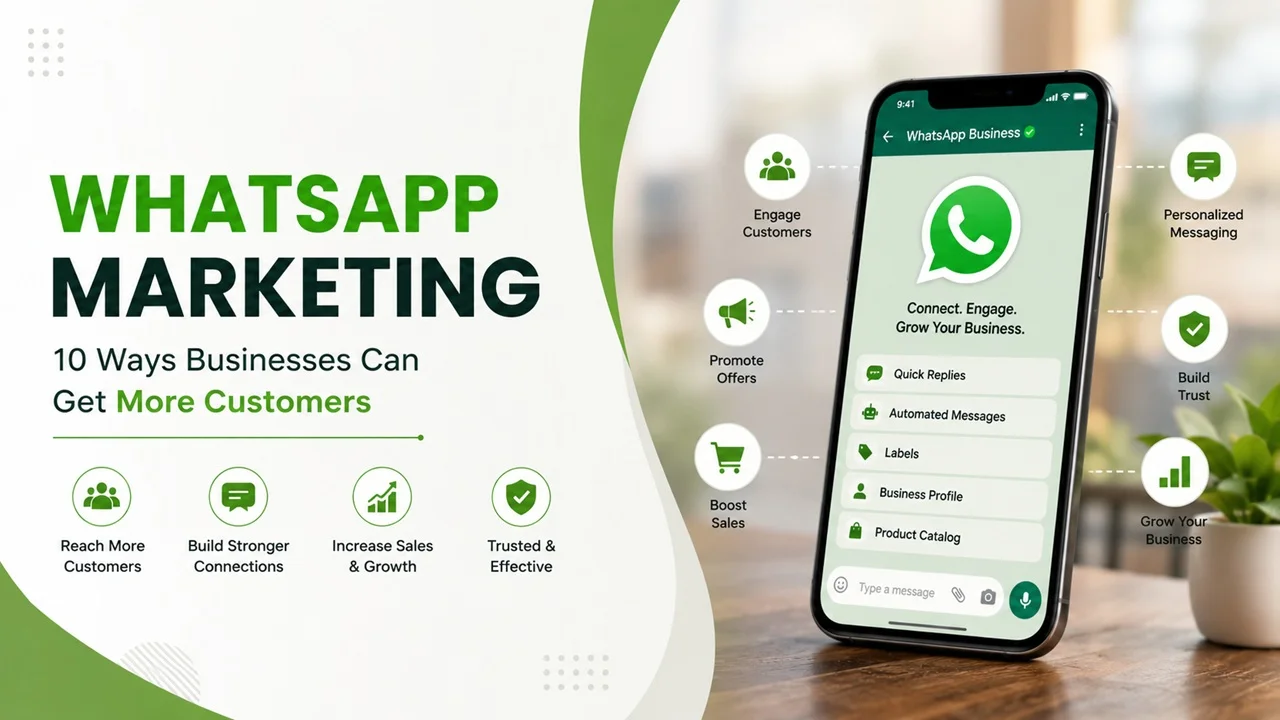
Is bulk SMS marketing still worth it in 2026, with so many messaging apps available? Yes, largely because it doesn't depend on the recipient having a specific app installed or being online. Most businesses use it alongside apps like WhatsApp rather than instead of them each channel reaches a slightly different moment in the customer relationship.
How often should a business send marketing texts? There's no universal number, but less is almost always safer than more. Watch your opt-out rate as the real signal if it's climbing, you're likely sending too often or with too little value in each message.
Is bulk SMS marketing expensive? It's generally low-cost per message compared to most paid advertising, though pricing varies by provider and volume. The real cost to watch isn't the per-message rate it's what happens to your brand's trust if the channel gets misused.
What's the biggest mistake businesses make with SMS marketing? Treating it like email sending frequently, with generic content, to an unsegmented list. SMS earns its high open rates precisely because it isn't used that way yet. Overusing it is how a channel loses that advantage.
The Takeaway
Bulk SMS marketing isn't complicated, and that's exactly its strength. It doesn't need a clever algorithm to work, and it doesn't compete for attention the way a feed does it just shows up, gets read, and either earns a response or doesn't. Used sparingly, aimed at people who actually opted in, and built around one clear offer at a time, it remains one of the most reliable ways to reach a customer directly. Used carelessly, it burns through the very trust that makes it work in the first place.
The businesses getting the most out of SMS marketing right now aren't the ones sending the most messages they're the ones sending the fewest messages that actually matter.