Sign up with Google
 Sign in with Zoho
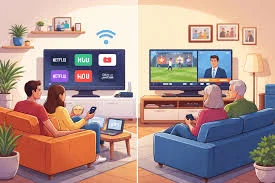
The way people watch television has changed a lot. A few years ago, most people would simply switch on the TV, pick a channel from the cable box, and start watching. Today, many people are using Smart TVs, Firesticks, Android TV devices, and other streaming devices instead.
One of the options that has become more common is IPTV.
But is IPTV really different from traditional TV? And does it make sense to switch? The answer depends on how you normally watch television.
What Is Traditional TV?
Traditional television usually comes through cable, satellite, or terrestrial broadcasting.
You normally get a set-top box or a direct television connection, depending on the provider. Your subscription determines which channels and packages you can access.
For many people, this setup is still convenient because it is familiar and doesn't require much technical knowledge.
What Is IPTV?
IPTV means Internet Protocol Television. In simple terms, television content is delivered through an internet connection rather than through a traditional cable or satellite signal.
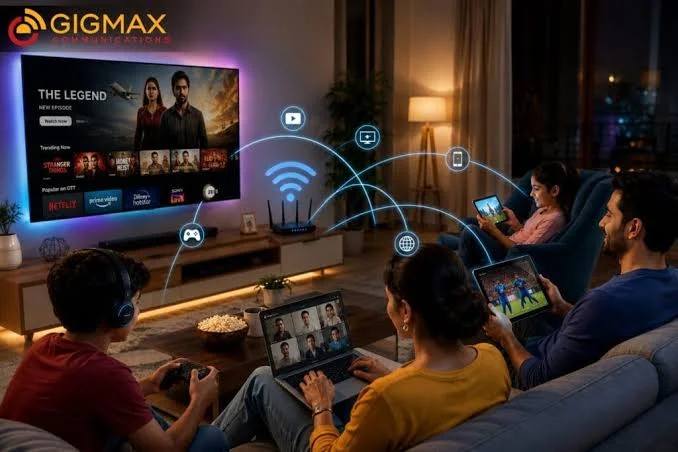
The interesting part is that IPTV can be used on different compatible devices. Someone might watch it on a Smart TV at home and use another supported device when travelling.
Of course, the exact features depend on the IPTV provider and the application being used.
Device Flexibility
This is probably one of the first things people notice.
With traditional television, you are generally watching through the television and the equipment provided by your TV company.
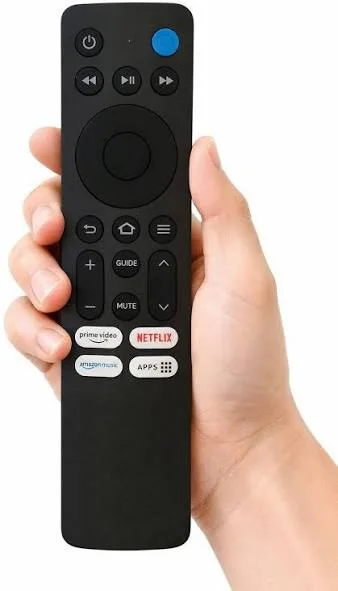
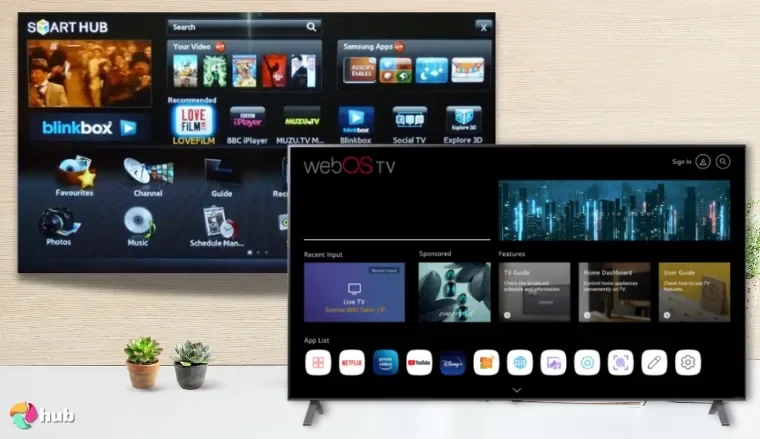
IPTV can be more flexible. Depending on the service, it may work with devices such as:
- Smart TVs
- Firestick
- Android TV
- Smartphones
- Tablets
- Compatible IPTV players
So if you already have a streaming device at home, you may not need to buy completely different hardware just to try IPTV.
Internet Connection Matters
With IPTV, your internet connection becomes an important part of the viewing experience.
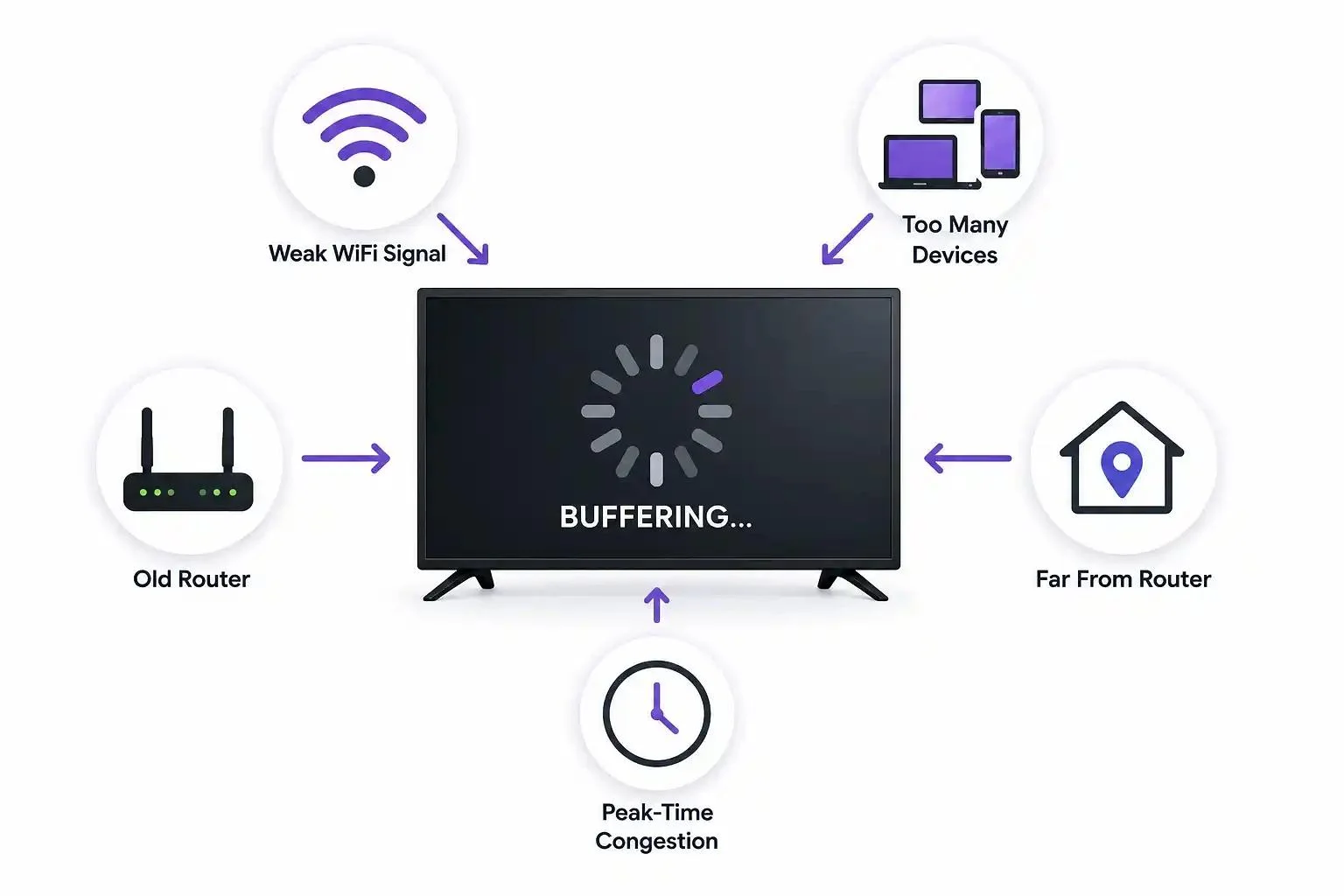
A slow or unstable connection can lead to buffering, lower video quality, or interruptions. For this reason, users should check their internet connection and make sure their home network is suitable for streaming.
Traditional cable or satellite television does not depend on your home internet connection in exactly the same way.
Channel Selection
Channel availability depends on the provider you choose.
Some IPTV services may offer different categories such as entertainment, news, sports, international programming, or other live content.
However, a larger channel list does not automatically mean a better service. It is more useful to check whether the channels you actually want are available and work reliably.
Electronic Program Guide
Another useful feature associated with many IPTV services is the Electronic Program Guide, commonly called EPG.
An EPG can show information about current and upcoming programs, making it easier to browse channels and decide what to watch.
The quality and availability of an EPG can vary between providers, so it is worth checking before choosing a service.
Viewing Experience
Traditional TV usually provides a straightforward experience: turn on the television, select a channel, and watch.
IPTV can provide additional flexibility, but the experience may depend on the application, device, internet connection, and service provider.
For some viewers, the ability to use familiar streaming devices is a major advantage.
Cost and Subscription Options
Pricing varies considerably for both traditional television and IPTV.
Cable and satellite packages may include different channel bundles, equipment costs, installation charges, or additional fees.
IPTV services can also have different subscription plans and features.
Instead of choosing purely based on price, compare what is actually included in each plan and whether it meets your viewing requirements.
Which Option Should You Choose?
There is no single answer for everyone.
Traditional TV may be a good choice for people who prefer a simple and familiar setup without depending on their home internet connection for television.
IPTV may appeal to viewers who already use streaming devices and want a more flexible way to access television content.
Final Thoughts
The difference between traditional television and IPTV is mainly about how content is delivered and how viewers access it.
Traditional TV continues to provide a familiar viewing experience, while IPTV gives internet-connected viewers another way to watch television across compatible devices.
Before choosing either option, consider your internet connection, preferred devices, channel requirements, budget, and the features that matter most to you.
The best choice is ultimately the one that fits your viewing habits and provides a reliable experience.