Sign up with Google
 Sign in with Zoho
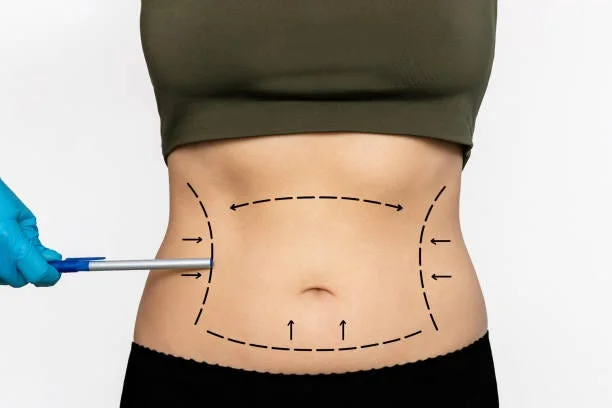

The success of a body-contouring surgery isn't determined by the operating room alone; it continues to be shaped by how the skin is cared for in the weeks and months that follow. Incisions need time and attention to heal properly, scars require specific care to fade well, and the skin surrounding treated areas needs support as it adjusts to a new contour. Women exploring Mommy Makeover Dubai procedures often underestimate just how much post-surgical skin care influences their final results. A well-managed skin care routine after surgery can mean the difference between subtle, well-healed scars and more noticeable, prolonged healing. Here's what proper post-operative skin care actually involves.
Why Post-Surgical Skin Care Matters So Much
Skin that has just been cut, stretched, or repositioned during surgery is in a particularly vulnerable state. It needs specific conditions to heal well, including proper moisture balance, protection from irritation, and support for new collagen formation. Neglecting proper care during this window can lead to slower healing, more prominent scarring, or complications such as infection. On the other hand, following a thoughtful skin care routine gives the skin the best possible environment to heal smoothly and settle into its new shape.
The First Two Weeks: Protecting Fresh Incisions
Immediately after surgery, incision care is the top priority. Surgeons typically provide specific instructions on how to clean the area, usually involving gentle saline solution or mild, fragrance-free cleansers rather than harsh soaps. Dressings are changed according to a specific schedule, and patients are taught to watch for signs of infection, such as increasing redness, warmth, swelling, or unusual discharge. During this period, the skin should not be exposed to any products beyond what the surgical team has specifically approved, since introducing unfamiliar ingredients too early can cause irritation or interfere with healing.
Weeks 3 to 6: Supporting the Healing Process
As incisions close and initial healing progresses, skin care can gradually expand to include gentle moisturizers that support hydration without introducing harsh or active ingredients. Fragrance-free, hypoallergenic formulas are generally recommended during this stage, since the skin remains sensitive and reactive. Sun protection becomes especially important once incisions have closed, as UV exposure can cause scars to darken permanently if they aren't adequately shielded. Broad-spectrum sunscreen, along with physically covering the area with clothing when possible, helps protect healing skin during this vulnerable stage.
Scar Management Techniques
Scar tissue naturally changes over time, but specific interventions can meaningfully influence how it ultimately looks. Silicone sheeting or silicone gel is one of the most well-supported options, helping to flatten and soften scars when used consistently over several weeks. Gentle massage, once incisions are fully closed and cleared by the surgical team, can also help break down excess scar tissue and improve texture. Some surgeons recommend beginning these techniques around four to six weeks post-surgery, though timing always depends on individual healing progress and should be confirmed during follow-up visits.
Hydration From the Inside Out
Skin health isn't just about topical products; internal hydration and nutrition play a significant role as well. Drinking adequate water supports overall tissue repair and helps maintain skin elasticity as it adjusts to its new contour. A diet rich in protein supports collagen production, which is essential for strong, well-healed tissue, while foods high in vitamin C and zinc further support the body's natural repair processes. Patients who prioritize these nutritional basics often notice smoother, faster healing compared to those who neglect this internal component of skin care.
Managing Compression Garments and Skin Health
Compression garments play a dual role in recovery: they support swelling reduction and also help skin adapt evenly to its new shape. However, prolonged garment use requires attention to skin health underneath. Patients are usually advised to keep the skin clean and dry beneath garments, change them regularly, and watch for any irritation or rash caused by prolonged fabric contact. Taking short breaks as advised by the surgical team, without compromising the recommended wearing schedule, can help maintain healthy skin throughout the compression period.
Addressing Dryness and Sensitivity
It's common for skin around treated areas to feel unusually dry, tight, or sensitive during recovery. This is a normal response to surgical trauma and changes in blood flow to the area. Gentle, consistent moisturizing helps address this discomfort, and patients are often advised to avoid exfoliating products, retinoids, or other active ingredients near incision sites until fully healed and cleared by their surgeon, typically several months post-surgery.
Long-Term Skin Maintenance
Once initial healing is complete, ongoing skin care continues to influence how results look over the following year. Daily sunscreen use remains essential to prevent scar darkening long-term, while a consistent moisturizing routine helps maintain skin softness and elasticity. Patients who maintain a stable weight also support their results, since significant weight fluctuations can affect how skin looks in previously treated areas. Occasional check-ins with a dermatologist or the surgical team can help address any lingering scar concerns with more advanced treatments if needed, such as laser therapy or micro-needling.
When to Seek Professional Guidance
While general skin care principles apply broadly, every patient's healing timeline is different, and it's important to follow individualized guidance from the surgical team rather than generic advice found online. If a scar seems unusually raised, painful, or discolored, or if any signs of infection appear at any point during recovery, patients should contact their surgical team promptly rather than waiting for a scheduled follow-up appointment.
Conclusion
Proper skin care after surgery is far more than a cosmetic afterthought; it's an essential part of achieving smooth, well-healed results. From protecting fresh incisions in the earliest days to long-term scar management and nutritional support, every stage of post-surgical skin care contributes to the final outcome. Patients who follow their surgical team's guidance closely and remain patient with the healing process tend to see the best long-term results. At Mommy Makeover Lounge, patients receive detailed, personalized skin care guidance at every stage of recovery, helping ensure their results look as good as they feel.