Sign up with Google
 Sign in with Zoho
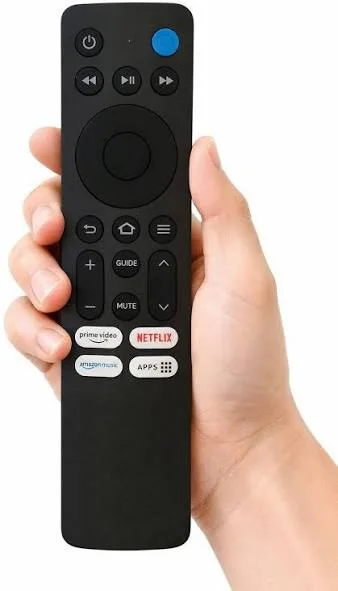
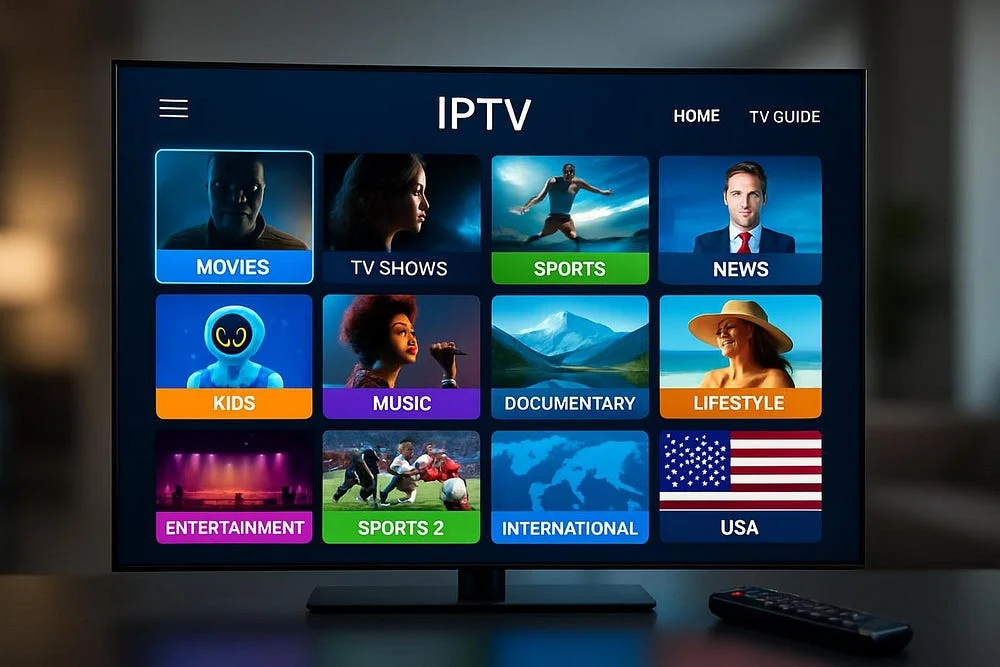
For a long time, choosing a television service was pretty simple. You picked a cable provider, selected a channel package, connected the set-top box, and started watching.
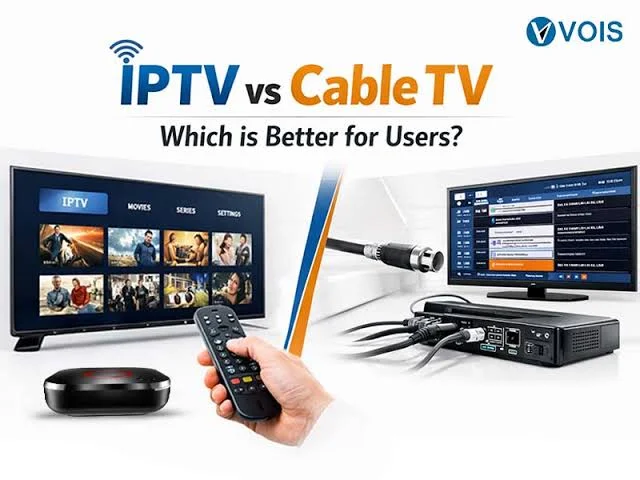
Things are different now. A good internet connection can be used for much more than browsing or video calls, and television is one of the areas that has changed because of it. This is where IPTV comes into the picture.
If you are trying to decide between IPTV vs cable TV, the right choice depends largely on how you watch television and what you expect from your service.
What Exactly Is IPTV?
IPTV stands for Internet Protocol Television. In simple terms, television content is delivered over an internet connection rather than through a traditional cable television network.
The experience can feel similar to regular TV. You can still have live channels and scheduled programs, but internet-based services can also combine live television with on-demand content.
Another noticeable difference is the range of devices that may be supported. Depending on the provider, IPTV can be used on Smart TVs, computers, smartphones, tablets, and compatible streaming devices.
Cable TV Still Has Its Advantages
Cable TV has been around for decades for a reason. It is familiar, relatively straightforward, and doesn't require your television signal to depend on your home's internet connection.
A typical cable setup includes a physical cable connection and equipment supplied by the provider. You choose a package and receive the channels included with it.
For someone who mainly watches television from one screen and wants a traditional setup, cable can still make sense.
Where IPTV Feels Different
The biggest difference between IPTV and cable is the delivery method.
Cable uses a dedicated cable network, while IPTV relies on an internet connection. That difference creates some useful flexibility, but it also means your internet connection becomes an important part of the viewing experience.
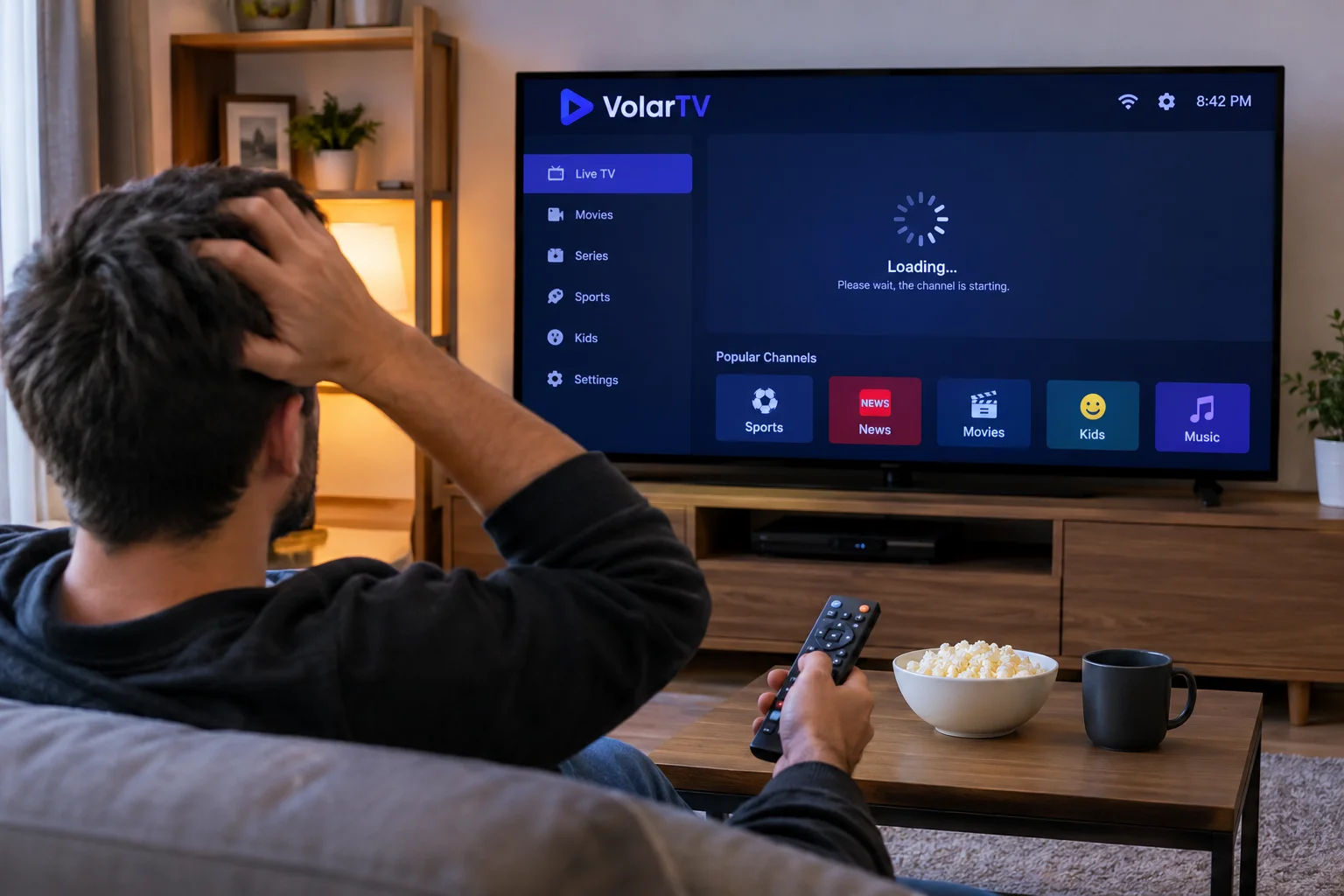
For example, an unreliable connection can lead to buffering or interruptions when watching IPTV. With a stable broadband connection, however, internet-based television can be quite convenient.
Watching on Different Devices
This is one area where IPTV can be particularly appealing.
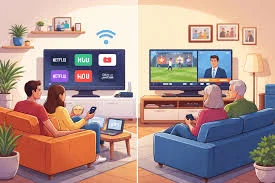
Imagine that someone is watching a live program on the Smart TV in the living room while another family member wants to watch something on a supported mobile device. Depending on the provider and subscription, IPTV can make this type of multi-device viewing possible.
Traditional cable is usually built around the television and the equipment provided by the cable company.
The exact device support and number of simultaneous streams always depend on the individual service, so it's worth checking those details before subscribing.
What About Sports?
Sports are another reason people compare different television options.
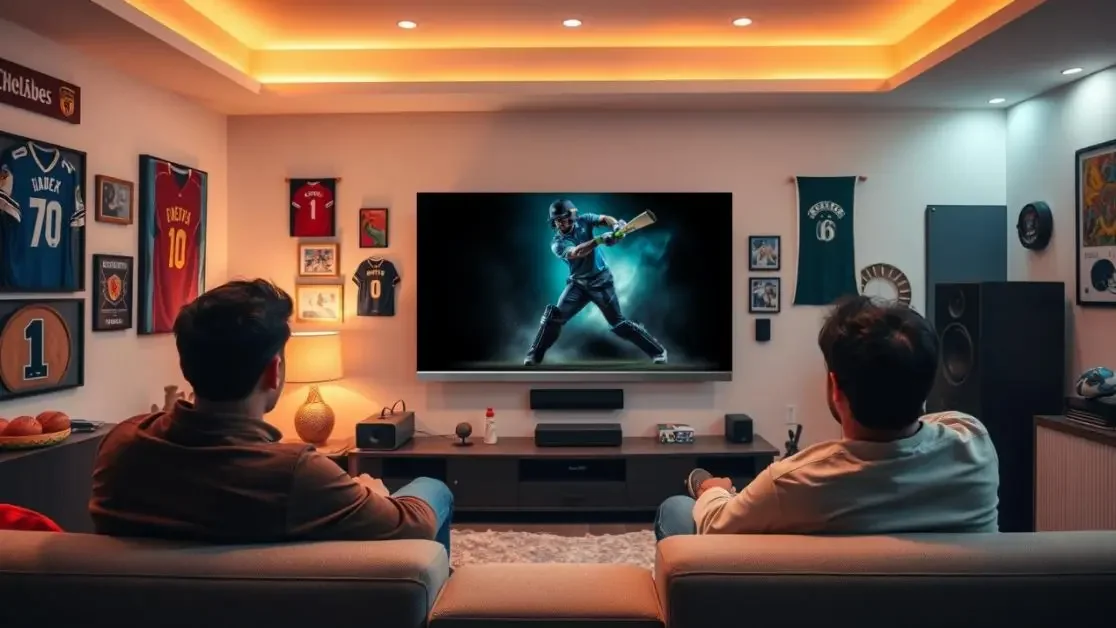
Cable packages can include dedicated sports networks, while legitimate IPTV services may also provide sports channels depending on their agreements and the viewer's location.
The important thing here is not simply the number of channels advertised. If you follow a particular sport or competition, check whether the specific channel or event you want is actually available in your region.
This matters especially for international sports because broadcasting rights can differ from one country to another.
Is IPTV More Flexible Than Cable?
For many people, yes.
The internet-based nature of IPTV means that compatible devices can potentially be used in different places without setting up a traditional cable connection for every screen.
It also fits naturally into the way many people already consume digital content. People are accustomed to watching videos on phones, laptops, tablets, and Smart TVs, so having television available across similar devices can be convenient.
Cable, meanwhile, remains attractive to people who prefer a conventional TV setup and don't want to rely on their internet connection for television delivery.
Which One Should You Choose?
There isn't a universal winner.
Someone who wants traditional television, local channels, and a straightforward cable setup may be perfectly happy with cable TV.
Someone who already has reliable broadband and prefers watching content across different compatible devices may find IPTV more suitable.
Cost is another factor, but comparing the advertised monthly price alone isn't enough. Look at equipment charges, channel packages, contracts, additional fees, and the content you actually intend to watch.
If you're still weighing the two options, this IPTV vs cable TV comparison covers the differences in more detail.
A Few Things to Check Before Switching
Before signing up for any IPTV service, check a few basic things:
- Make sure your internet connection is reliable enough for streaming.
- Check which devices the service supports.
- Look at the actual channels and content included in the package.
- Check whether the service is legally licensed to provide the content in your region.
- Understand the subscription terms and any additional charges.
These checks can prevent disappointment later.
Final Thoughts
The move from traditional cable to internet-based television isn't really about one technology completely replacing the other. Different households have different requirements.
Cable remains a convenient option for people who prefer a familiar television setup. IPTV offers another approach, particularly for viewers who value internet-based viewing and device flexibility.
The best choice is ultimately the one that fits your viewing habits, internet connection, budget, and preferred content.