Sign up with Google
 Sign in with Zoho

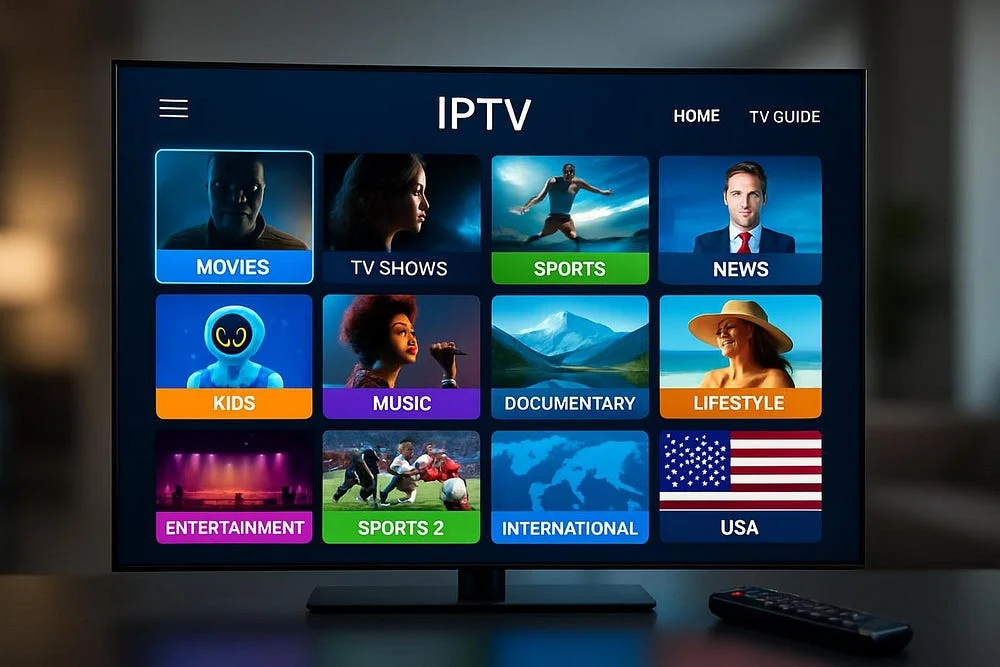
When looking for an IPTV subscription, price is usually one of the first things people compare. It makes sense. Nobody wants to spend more than necessary, especially when there are several plans to choose from.
But I think there is another question worth asking: what are you actually getting for the money?
A cheaper plan might be perfectly suitable for one person, while another viewer may need better device support or a different subscription period. Instead of choosing the lowest price straight away, it helps to look at a few things first.
A Low Price Can Look Better Than It Really Is
Imagine you find two subscription plans. One costs less upfront, while the other costs a little more but offers a subscription period and features that better suit your needs.
Which one is the better deal?
There is no automatic answer. If you only watch television occasionally, paying for a longer plan may not make much sense. But if you use the service regularly and have already checked that it works for you, a longer subscription could be worth considering.
The important thing is to compare the full price and the conditions attached to it. An advertised monthly equivalent can look attractive, but remember to check how much you must actually pay at checkout.
Think About How You Watch TV
Not everyone uses IPTV in the same way.
Some people switch on their television in the evening to watch a few channels. Others spend more time watching sports, movies, or entertainment programmes. Families may also have different viewing preferences.
Your habits should influence the plan you choose. There is little point paying extra for features you are unlikely to use.
Before subscribing, ask yourself a few simple questions:
- How often do I watch television?
- Which channels or content categories matter most to me?
- Will I watch on one device or several?
- Do I prefer paying monthly or making a longer commitment?
You do not need a complicated spreadsheet to answer these questions. A clear idea of your everyday viewing is often enough to narrow down your options.
Check Your Device Before Spending Anything
One detail that is easy to overlook is device compatibility.
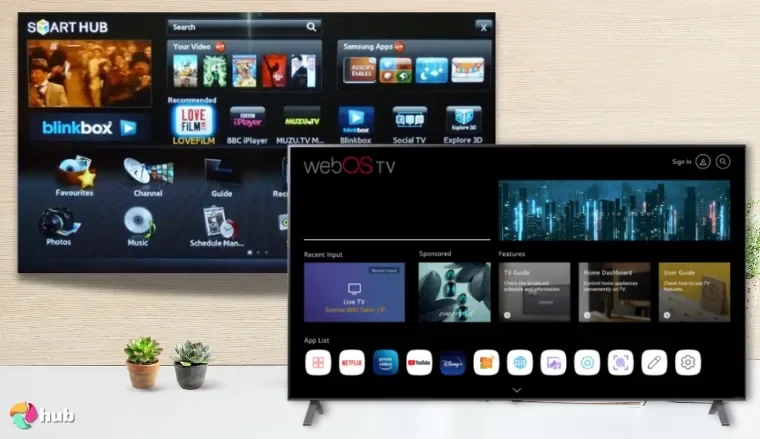
Perhaps you already have a Smart TV and expect everything to work immediately. Or maybe you prefer using an Amazon Fire TV Stick or an Android TV device.
Before paying, check whether the service supports your equipment and whether any additional setup is needed. Also, confirm the number of devices or simultaneous connections allowed under the plan.
This is particularly useful if more than one person at home wants to watch at the same time. Finding out about these limits beforehand can prevent an unpleasant surprise later.
What About Streaming Quality?
A low subscription price does not tell you everything about the viewing experience.
Streaming quality can depend on several things, including your internet connection, Wi-Fi signal, device performance, and the service itself. For example, if your television is far away from your router, a weak Wi-Fi signal might cause interruptions even when your internet package seems fast enough.
If buffering becomes a problem, try connecting through Ethernet where possible, moving closer to the router, or restarting your streaming device. If the issue continues, check whether the provider offers useful troubleshooting support.
It is worth understanding these factors before deciding that the cheapest or most expensive plan must be the best one.
Read the Subscription Terms Carefully
I would never recommend choosing a plan based on its headline price alone.
Take a moment to check the renewal conditions, cancellation policy, supported devices, and any restrictions on simultaneous viewing. If a trial or demo is available, read the conditions and use it to assess the service before committing to a longer period.
Be especially careful with offers that make unrealistic promises or provide very little information about what you are buying. Clear pricing and understandable terms are more useful than a large discount that leaves important questions unanswered.
Where Can You Compare Available Plans?
Once you know what matters to you, comparing subscription options becomes much easier.
Look at the total amount payable, the duration of each plan, and the features included. Avoid assuming that a longer plan is automatically better value; it depends on how regularly you intend to use the service and whether the terms suit you.
If you are considering TiviLive, you can check the current options on the Pricing page. Review the listed prices and subscription details directly before making a decision, as offers and terms can change.
My Final Take
For me, choosing an IPTV subscription is less about finding the absolute lowest price and more about avoiding a plan that does not fit your needs.
A monthly option may be a sensible starting point if you are unsure. A longer plan may make more sense once you have checked the service, understood the conditions, and decided that it suits your viewing habits.
Take a little time to compare the details before paying. It is a simple step, but it can help you make a more informed decision and avoid spending money on features you do not need.