Sign up with Google
 Sign in with Zoho

Introduction
Learning How to Launch a FAST Channel requires more than creating a library of video content and distributing it online. A successful FAST channel needs a structured programming strategy, reliable content management, automated playout, advertising opportunities, and distribution across connected television platforms. Since FAST, or free ad-supported streaming television, combines the familiarity of linear television with the accessibility of streaming, broadcasters need technology that can maintain continuous programming without excessive manual intervention.
This is where top playout automation software becomes an important part of the overall broadcasting workflow. The right system can help transform a collection of video assets into a professionally scheduled channel that operates consistently throughout the day.
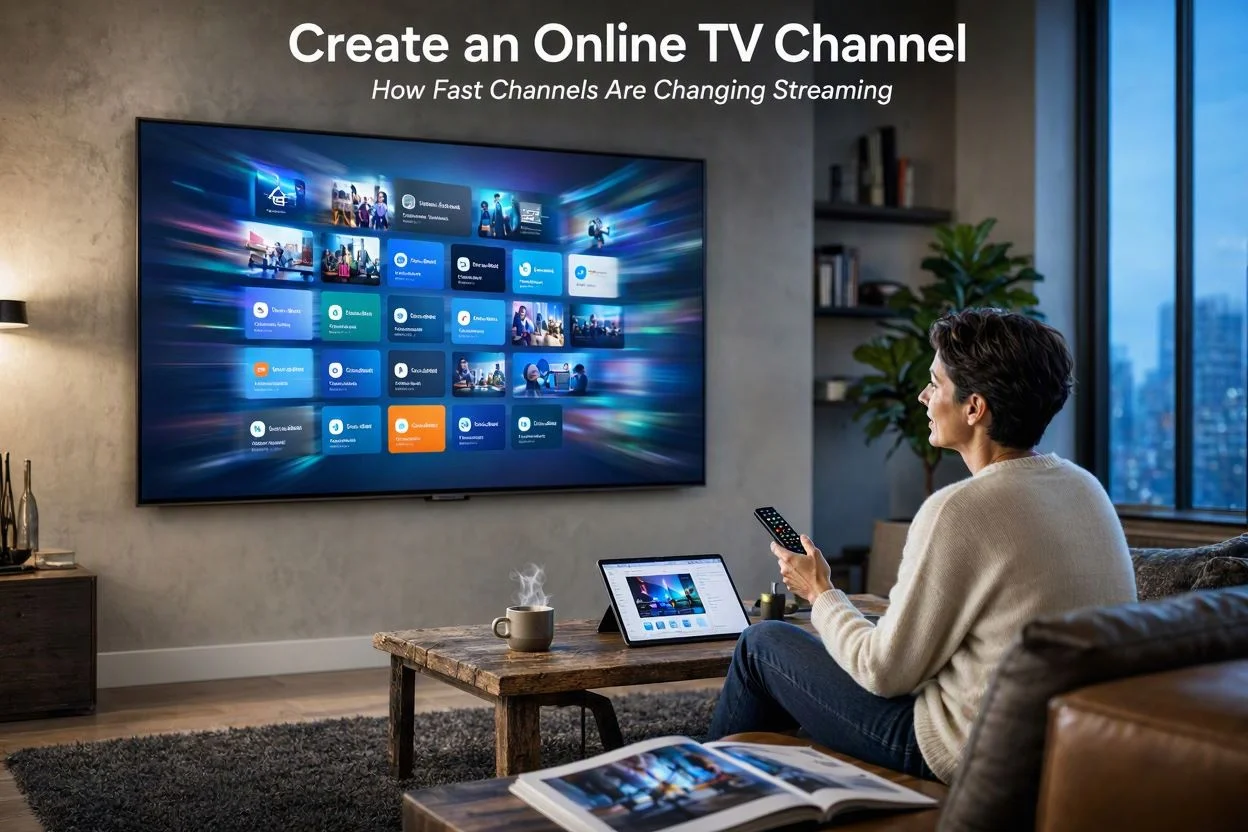
Understanding the FAST Channel Model
A FAST channel delivers scheduled programming to viewers without requiring them to select individual programs every time they want to watch. This creates a television-like experience while allowing audiences to access content through internet-connected devices.
Before launching a channel, a broadcaster should identify its target audience and determine the type of programming that will keep viewers engaged. Entertainment, classic television, documentaries, sports, news, lifestyle programming, and niche content can all form the foundation of a FAST service.
Building a Strong Content Library
Content is the foundation of any FAST channel. Broadcasters need enough programming to create an engaging schedule rather than repeatedly showing a small collection of programs.
Content should be organized according to genre, duration, audience, rights availability, and scheduling requirements. This makes it easier to create programming blocks and maintain a consistent viewing experience.
Creating a Programming Strategy
A good schedule should feel intentional. Popular programs can be positioned during high-value viewing periods, while specialized content can fill less competitive time slots. Recurring themes can also help audiences understand what they can expect from the channel.
Automation becomes increasingly important as the schedule grows. Manually controlling every program transition would be inefficient for a channel operating continuously.
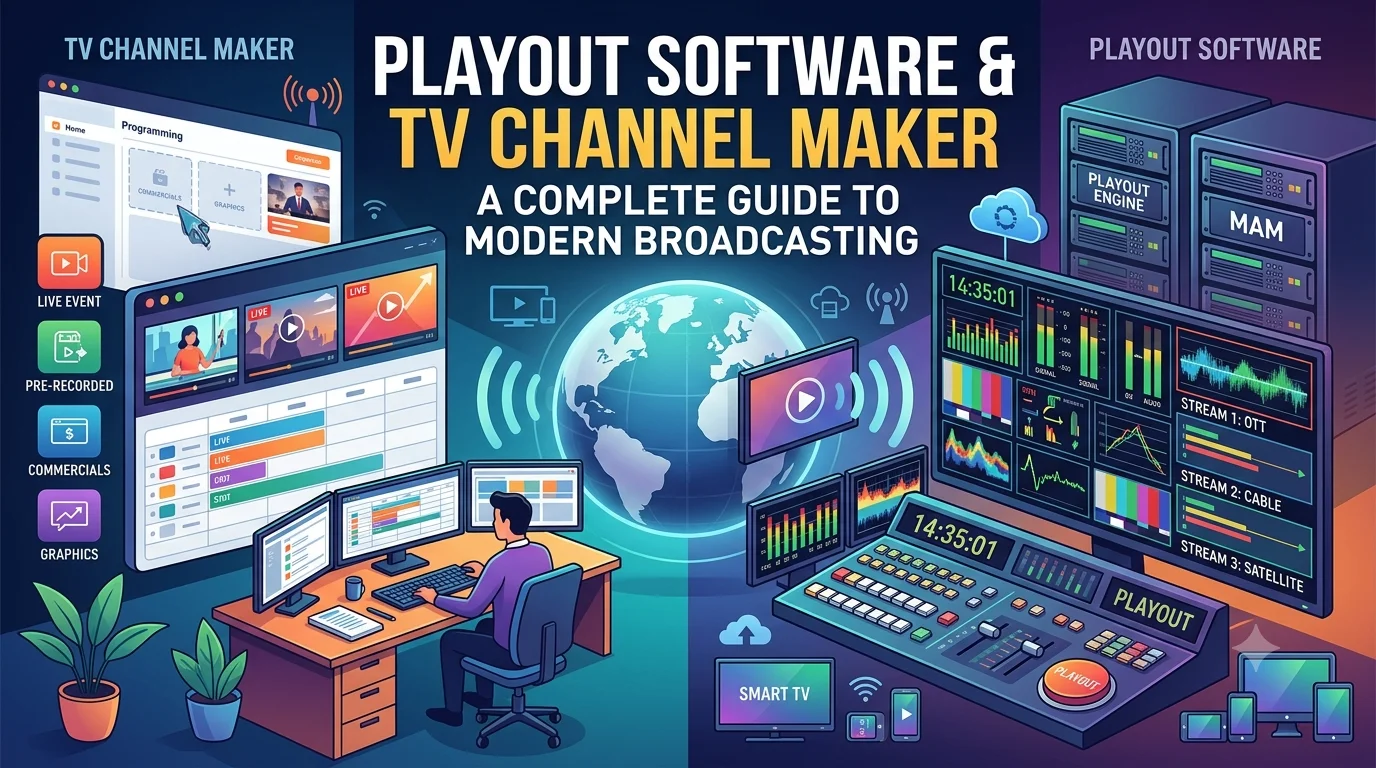
The Role of Playout Automation Software
Top playout automation software can manage scheduled content and execute programming according to predefined instructions. Instead of relying on an operator to start every video manually, automated playout can handle playlists, transitions, recurring schedules, and other routine channel operations.
This creates a more predictable workflow for broadcasters. Once the programming schedule has been prepared, the system can execute the channel plan while operators focus on content, audience development, advertising, and performance monitoring.
Managing Linear Streaming Workflows
A FAST channel may contain movies, television episodes, promotional content, advertisements, trailers, and station branding. These assets need to be arranged into a coherent timeline.
A cloud-based playout workflow can help centralize these operations, making it easier for teams to update schedules when programming changes. If a broadcaster needs to replace a program, insert a promotional segment, or adjust a time slot, the schedule can be modified without rebuilding the entire channel.
Supporting Channel Reliability
Reliability is critical because FAST viewers expect the channel to remain available whenever they tune in. Technical interruptions can quickly affect audience trust and advertising performance.
Monitoring, automated scheduling, content validation, and operational alerts can therefore become important components of a professional FAST workflow. The objective is to reduce avoidable errors before they reach viewers.
Monetization and Advertising
Advertising is central to the FAST model. A channel can create opportunities for commercial placements within its programming schedule while offering advertisers access to a defined streaming audience.
Effective monetization depends on more than simply inserting advertisements. Commercial breaks need to fit naturally into the programming structure, while ad opportunities should be managed without disrupting the viewer experience.
Preparing for Audience Growth
A FAST channel may begin with a limited content library and a small audience, but the infrastructure should be capable of supporting growth. As viewership increases, broadcasters may expand their programming, launch additional channels, or distribute content through more platforms.
Scaling the Broadcasting Operation
Scalability should be considered when selecting playout technology. A system that works for one small channel may become difficult to manage when multiple channels, larger content libraries, and more complex schedules are introduced.
Creating a Sustainable FAST Strategy
The strongest FAST operations combine compelling programming with efficient technology. Content attracts viewers, while automation helps deliver that content consistently. Analytics can then reveal which programs, time slots, and formats perform best, allowing broadcasters to refine future schedules.
Conclusion
Understanding How to Launch a FAST Channel means considering the entire journey from content preparation to viewer distribution. A broadcaster needs a clear audience strategy, a well-organized content library, reliable scheduling, advertising opportunities, and technology capable of delivering continuous programming.
Using top playout automation software can simplify many of the repetitive tasks involved in running a linear streaming channel. With effective automation, broadcasters can maintain schedules more efficiently, reduce manual operations, improve reliability, and create a foundation that can support future channel growth.
The most successful FAST strategy is therefore not based on technology alone. It combines strong content, thoughtful programming, dependable automation, and a clear understanding of the audience. When these elements work together, a FAST channel can become a scalable digital broadcasting business rather than simply another streaming destination.