Sign up with Google
 Sign in with Zoho

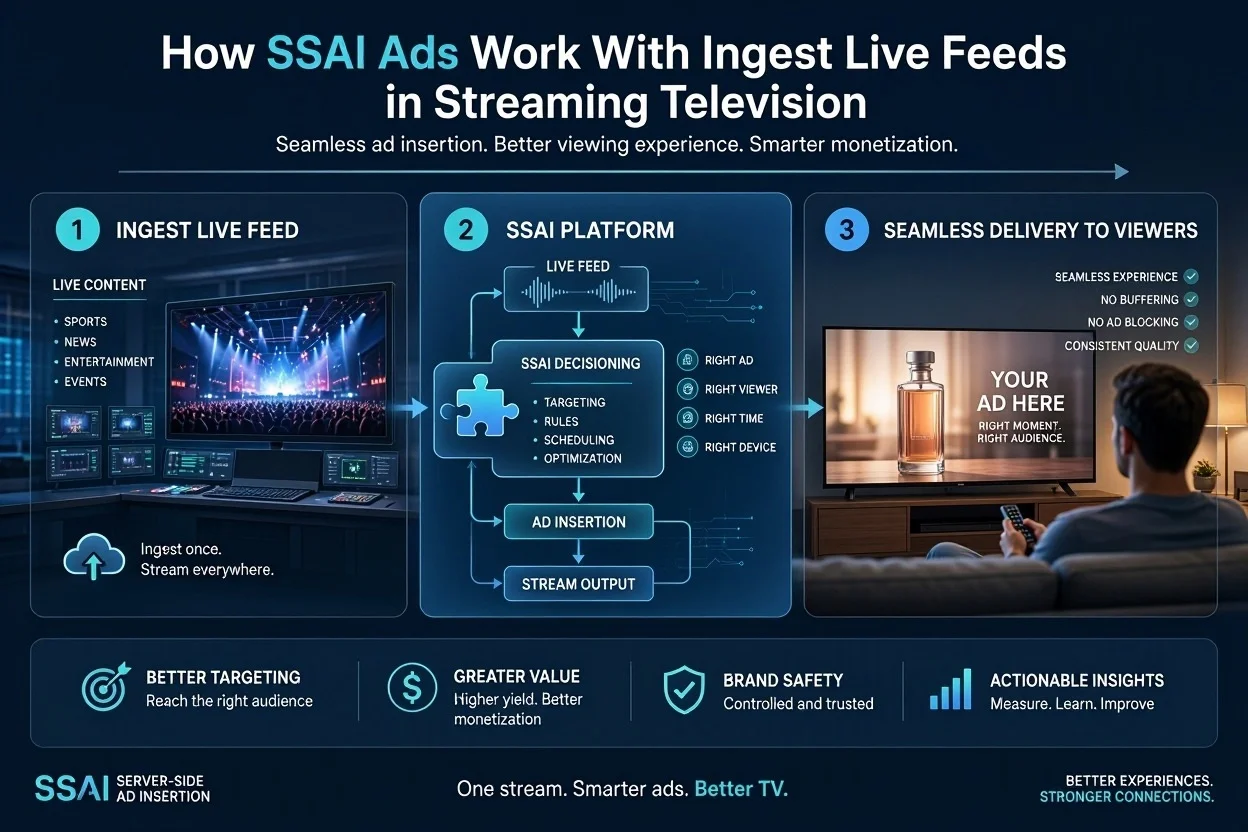
Advertising-supported streaming has become an important business model for digital television services. It allows broadcasters and content owners to distribute programming without charging viewers a direct subscription fee. Instead, revenue is generated through advertisements delivered during scheduled programs or live broadcasts.
For this model to work effectively, advertising technology must integrate with the video delivery workflow. ssai ads are one approach to delivering advertisements within streaming content, while ingest live feeds describes the process of receiving incoming live video sources into a broadcasting platform. Together, these capabilities can support professional streaming channels that combine live programming with monetization.
Understanding SSAI Advertising
SSAI stands for Server-Side Ad Insertion. It is a technology that combines advertising content with the main video stream on the server side before delivery to the viewer.
In a typical workflow, the streaming platform identifies an advertising opportunity and selects an appropriate advertisement. The ad content is then integrated into the stream so that the viewer receives a continuous playback experience.
This approach differs from client-side ad insertion, where the video player handles more of the advertisement selection and playback process.
SSAI can be useful for connected TV applications, mobile streaming services, and web-based video platforms. It is particularly relevant to services that need to deliver advertising across different devices and playback environments.
Why Streaming Businesses Use SSAI
Advertising technology needs to work reliably without creating unnecessary interruptions. SSAI can help manage the transition between program content and advertisements within the streaming delivery workflow.
Potential benefits include:
- A more consistent playback experience across supported devices
- Centralized control over advertising decisions
- Integration with advertising campaign systems
- Support for monetization in live and on-demand workflows
- Reduced reliance on individual player-side ad handling
Actual performance depends on the platform, player, advertising infrastructure, and integration design. Businesses should test ad delivery across the devices and networks their audiences use.
How SSAI Works in a Streaming Workflow
A typical SSAI process begins when the video platform identifies an advertising opportunity. This may be based on scheduled break information, cue markers, or other signals within the stream.
The advertising system requests a suitable advertisement according to the campaign rules and available inventory. The selected ad is prepared for insertion, and the server combines it with the main content stream.
The resulting stream is delivered to the viewer through the normal distribution infrastructure.
For a live broadcast, timing is particularly important. The advertising system must recognize the available break and coordinate the transition without disrupting the program.
What Does It Mean to Ingest Live Feeds?
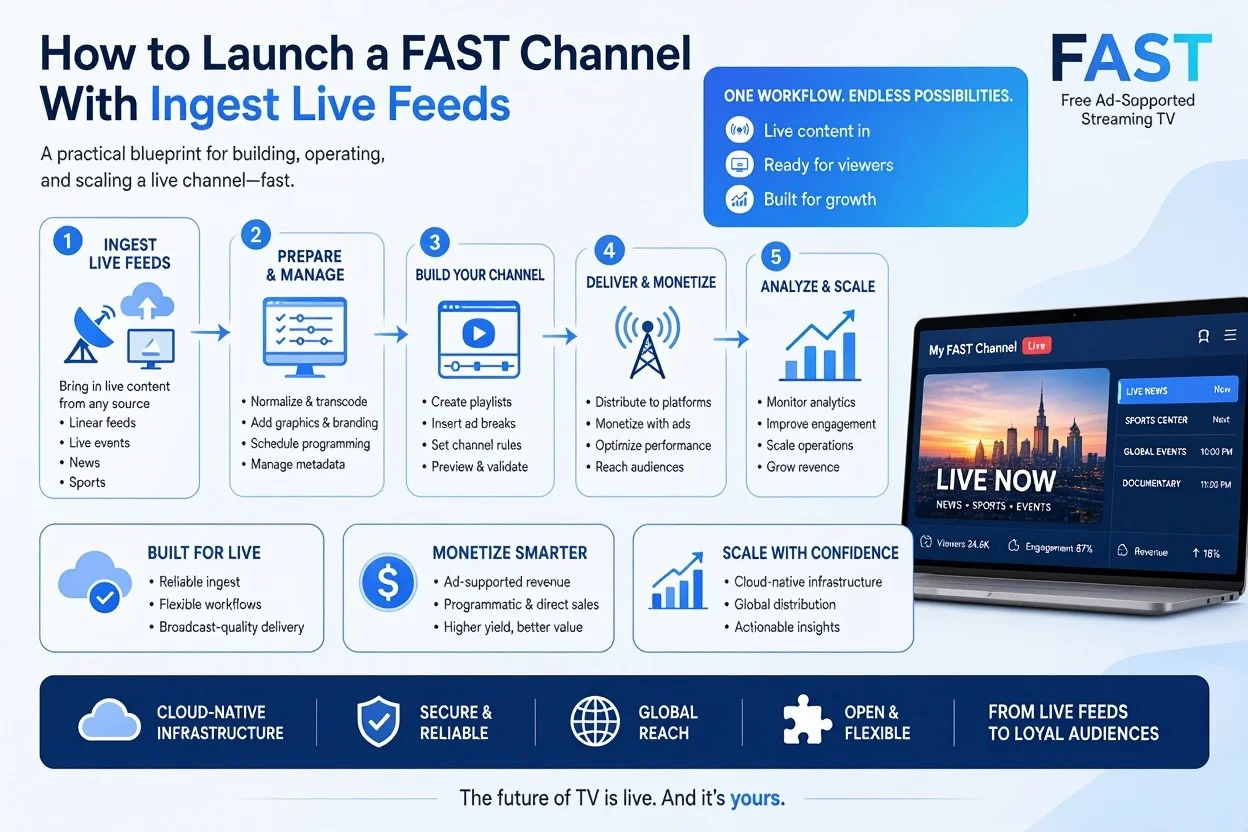
To ingest live feeds means to receive incoming live video sources into a media platform or broadcasting workflow.
The feed may originate from a television studio, sports venue, remote production team, news location, or external video provider. It can arrive through a supported contribution protocol and be processed before distribution.
The ingest stage may include:
- Receiving the incoming video signal
- Checking connection and signal quality
- Validating supported formats
- Monitoring audio and video
- Recording the source when required
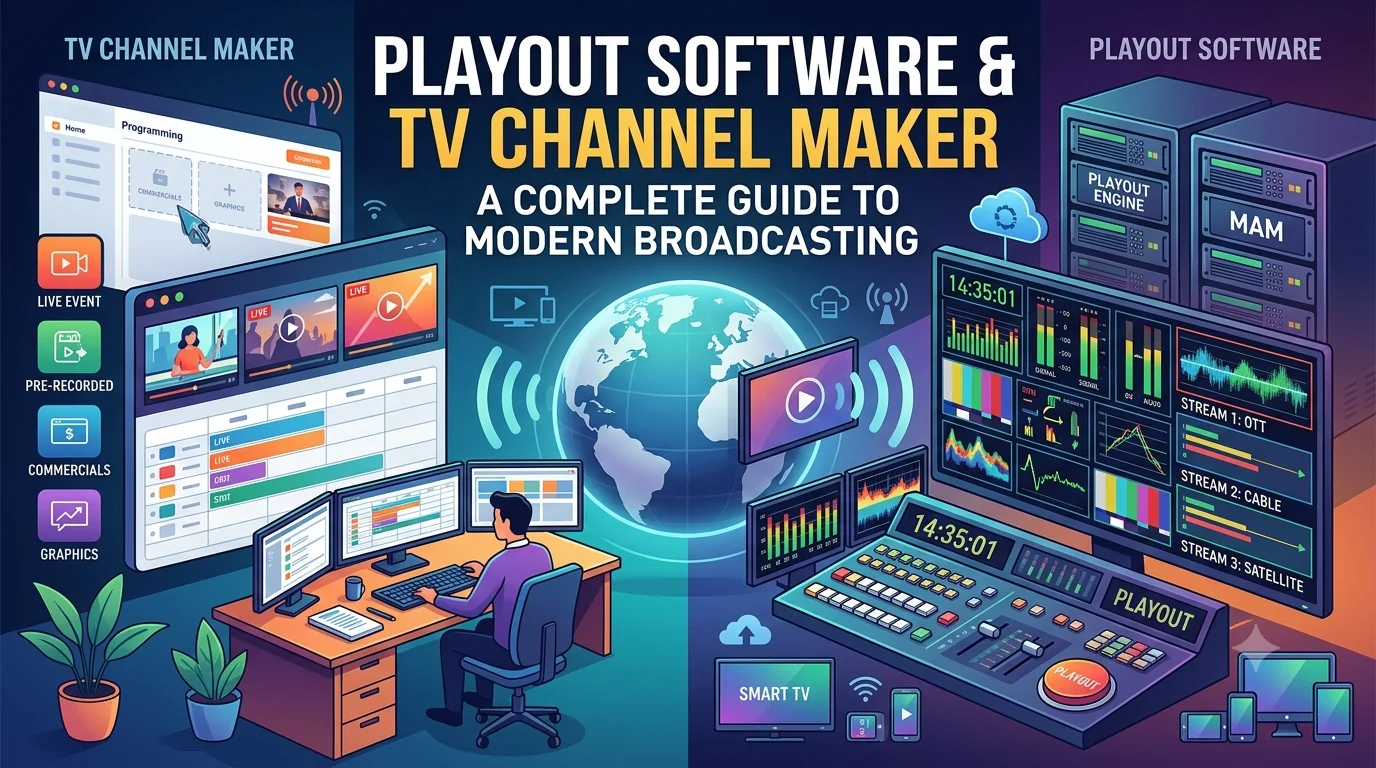
- Routing the feed to playout or distribution systems
A reliable ingest workflow is important because problems at the input stage can affect every downstream part of the broadcast.
Combining Live Feeds With Advertising
A streaming business may use incoming live feeds as the source for a news channel, sports service, event broadcast, or other scheduled programming.
The feed is received and prepared for distribution. If the channel supports advertising, the playout and ad insertion systems must coordinate commercial breaks with the live program.
For example, a sports broadcaster may receive a live match feed, distribute it to viewers, and insert advertisements during scheduled breaks. The advertising workflow needs accurate timing information so that commercials do not interrupt important action unexpectedly.
A news service may use a similar process for live studio programs and scheduled commercial intervals.
Technical Requirements for Reliable Integration
Before integrating live feeds with advertising technology, confirm that each system supports the required formats and protocols.
The ingest platform should be able to receive the source reliably. The playout system should manage the live program and scheduled content. The SSAI solution should recognize advertising opportunities and deliver compatible ad content.
The streaming output must then be packaged and distributed through infrastructure that can support the expected audience.
Monitoring should cover the entire workflow. Operators should check the incoming feed, program output, ad insertion, and final viewer playback. Testing only the source feed is not enough to confirm that the complete service works correctly.
Advertising Measurement and Reporting
A monetized streaming service needs to understand whether advertisements are being delivered and measured correctly.
Depending on the platform and advertising partners, reporting may include ad requests, impressions, completion events, campaign delivery, and other performance indicators.
Measurement requirements should be established before launch. Confirm which events are supported, how they are recorded, and how reporting data is shared with advertising partners.
Conclusion
SSAI ads can help streaming businesses integrate advertising into live and on-demand video delivery. Ingest live feeds provides the foundation for receiving incoming live programming and routing it into the broadcast workflow.
When these systems are integrated carefully, broadcasters can deliver live content while supporting advertising-based revenue models. Reliable signal reception, accurate break information, compatible streaming infrastructure, and end-to-end monitoring are essential for a consistent viewer experience.