Sign up with Google
 Sign in with Zoho

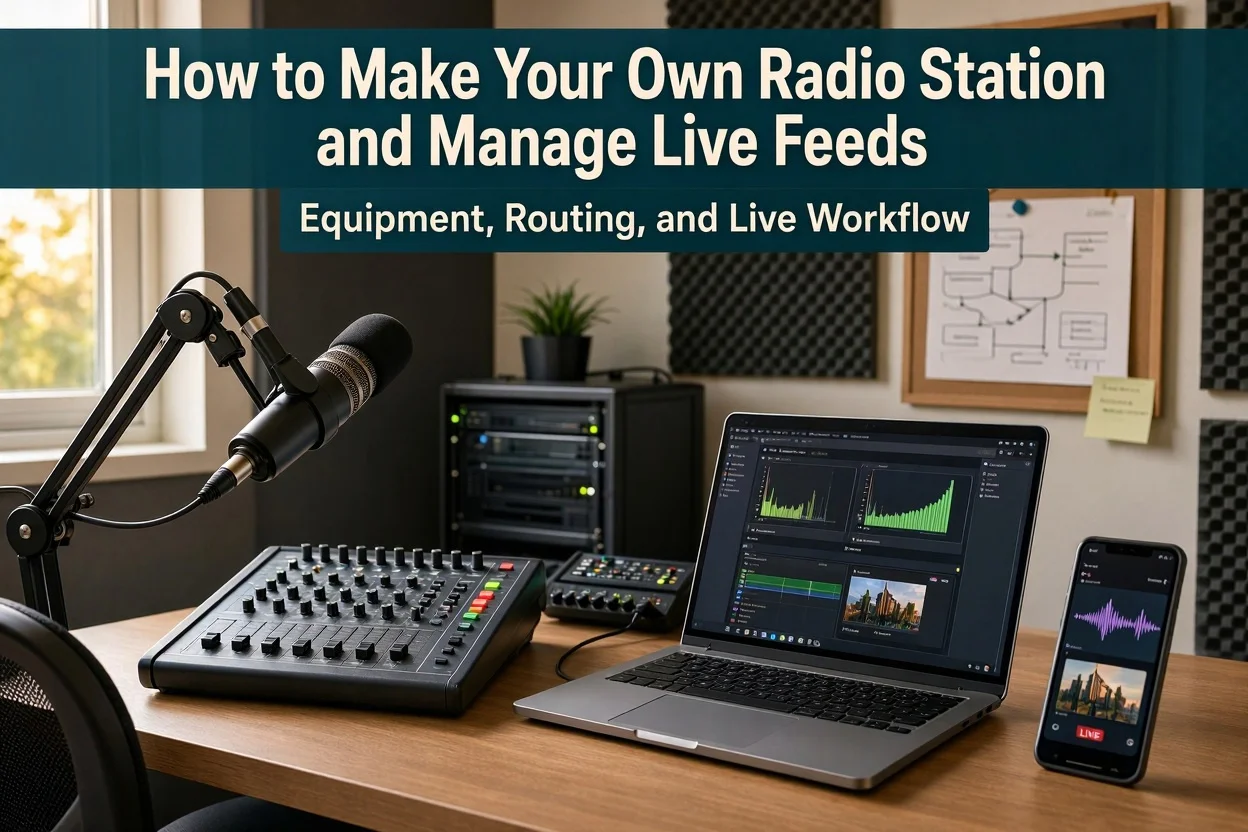
Music, conversation, news, sports, specialized programming—radio remains a powerful way to connect with audiences. Where traditional broadcasting used to require expensive equipment and access to a transmission network, modern technology allows creators, businesses and media organizations to reach listeners online. With the right plan and the right tools, you can create your own radio station and build a consistent listening experience for audiences on different devices.
A successful online radio station is much more than just audio. It needs a good content strategy, a reliable streaming infrastructure, an organized schedule and a way to handle live programming. If your station has interviews, remote presenters, live events or real-time news, it is especially important to understand how to ingest live feeds.
Define Your Radio Station’s Purpose
Determine your target audience before you decide on technology. A station that specializes in local news will have to program differently than a station that specializes in electronic music, education or sports commentary.
Consider the following questions:
- Who is your target audience?
- What type of content will your station broadcast?
- Will programming be live, prerecorded, or a combination?
- How frequently will you publish new shows?
- Will the station generate revenue through advertising, sponsorships, subscriptions, or donations?
A specific format can help your station stand out. Instead of trying to appeal to everyone, focus on a community or interest that has a reason to return regularly.
Choose the Right Broadcasting Setup
An online radio station generally needs an audio source, broadcasting or automation software, a streaming server, and a player that listeners can access through a website or app.
For a small station, a microphone, headphones, a computer, and a stable internet connection may be enough to begin. More advanced operations can add audio mixers, backup microphones, dedicated encoding systems, and monitoring tools.
Broadcasting software helps organize audio playback and manage transitions between programs. It may also support playlists, scheduled shows, jingles, advertisements, and live microphone input. Automation becomes particularly valuable when the station operates for long hours or serves listeners in multiple time zones.
Understanding Live Feed Ingestion
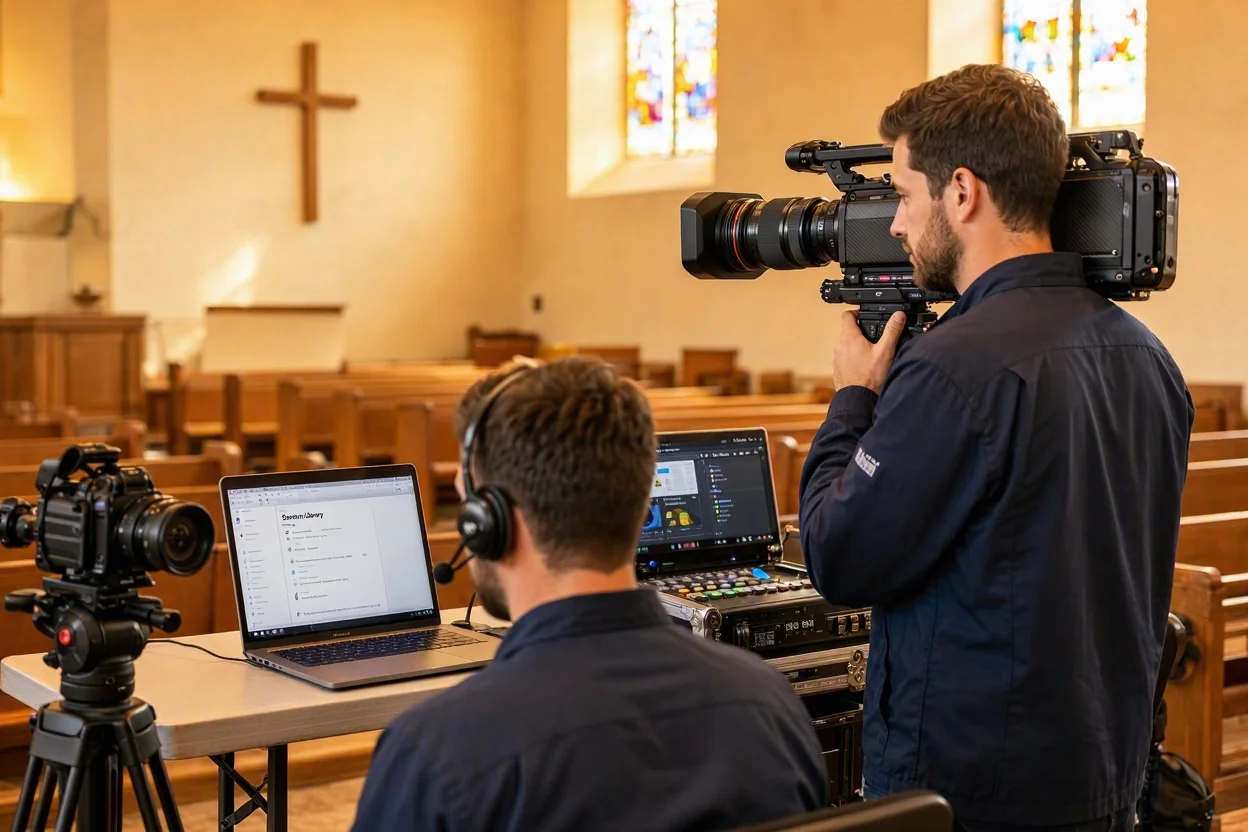
Live programming often comes from sources outside the station’s main studio. A presenter might broadcast from home, a reporter might connect from an event, or a sports commentator might contribute from a venue.
To bring these sources into the broadcast workflow, the station needs a process to ingest live feeds. This means receiving incoming audio or video signals and making them available for processing, switching, recording, or distribution.
A dependable live ingestion workflow should account for:
- Connection stability and available bandwidth
- Audio levels and sound quality
- Latency between the contributor and the station
- Backup sources in case a connection fails
- Monitoring to identify interruptions quickly
For audio-only radio, a simple contribution stream may be sufficient. Stations that also publish video versions of their programs may need a more advanced workflow capable of handling video signals and synchronized audio.
Organize Programming With Scheduling
A schedule helps listeners know when to expect their favorite shows. It also helps station operators manage content consistently.
Create a programming grid that identifies each show, its duration, its host, and whether it is live or prerecorded. Include time for station identification, promotional announcements, and advertising breaks.
Automation software can execute much of this schedule without requiring an operator to start every item manually. However, live broadcasts should still have a clear fallback plan. If a presenter loses connection, the system can switch to prerecorded content or a backup playlist.
Build a Reliable Listener Experience
The listener experience depends on more than the quality of the content. A stream should start quickly, remain stable, and work across common devices.
A responsive website can provide a live player, program schedule, show descriptions, and links to social channels. Mobile applications can make the station easier to access for regular listeners. Make sure the player remains usable on mobile networks and does not require unnecessary steps before playback begins.
Monitoring is also essential. Check stream availability, audio levels, server performance, and listener feedback. Test the station using different browsers, headphones, and network conditions before promoting it widely.
Monetize Your Radio Station
Once your station has an audience, several revenue models may be available. Advertising and sponsorships are common choices, especially for stations serving a defined audience. Other options include premium programming, memberships, branded content, event partnerships, or listener contributions.
The most suitable model depends on audience size, listening habits, and the value your content offers advertisers or supporters. Keep commercial messages relevant and avoid placing too many interruptions into the listening experience.
Conclusion
When you make your own radio station, start with a clear audience, a focused programming plan, and dependable streaming technology. As the station grows, the ability to ingest live feeds becomes increasingly important for interviews, events, and remote contributors. Combining reliable infrastructure with thoughtful scheduling and engaging content can help turn a simple online stream into a recognizable radio brand








.webp)