Sign up with Google
 Sign in with Zoho
.webp)
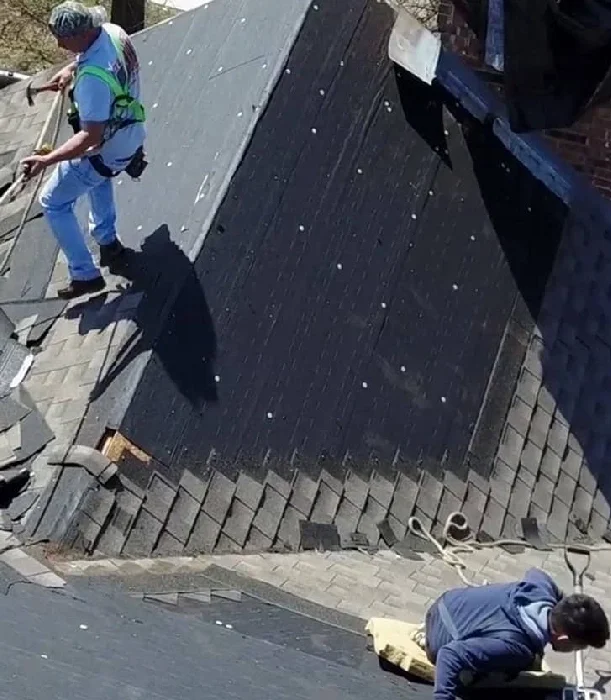
A commercial roof protects your building, equipment, inventory, and daily operations from the elements. Small roofing problems can become harder to manage when they are left alone. Knowing the early warning signs can help you act before a minor issue grows.
If you notice leaks, damaged roofing materials, or standing water, it may be time to contact a commercial roofing service in Grand Prairie. A professional inspection can help identify the cause and show whether your roof needs repair, maintenance, or further evaluation.
What Signs Mean Your Commercial Roof Needs Attention?
Some roof problems are easy to notice. Others may develop slowly. Watch for these common warning signs.
1. Water Leaks or Ceiling Stains
Water stains on ceilings or walls often point to moisture entering the building. Even a small stain should not be ignored.
Water can travel through roof layers before it becomes visible indoors. Finding the source early can help limit additional damage.
2. Ponding Water
Flat and low-slope commercial roofs can collect water after rain. If water remains on the roof instead of draining away, it may point to a drainage issue.
Regular ponding can place added stress on roofing materials. A professional can inspect the drainage system and surrounding roof areas.
3. Damaged Flashing or Seams
Flashing helps seal areas around roof edges, vents, walls, and other openings. Seams can also become weak or damaged over time.
Loose flashing or open seams can create paths for water. These areas should be checked as soon as a problem is noticed.
4. Visible Roof Damage
Cracks, tears, punctures, loose materials, and other visible damage can affect the roof's ability to keep water out.
Damage may occur after severe weather or during routine building work. A professional inspection can help determine the extent of the problem.
When Should You Schedule a Commercial Roof Inspection?
You do not have to wait for a major leak before calling a roofer. An inspection can be useful when you notice changes in the roof or after significant weather.
Consider scheduling an inspection if:
- You see water stains inside the building.
- The roof has visible damage.
- Water is collecting after rain.
- Flashing looks loose or damaged.
- The roof has not been checked in a long time.
- You suspect storm damage.
- Interior moisture keeps returning.
Early attention may help you understand the problem before it affects more areas of the building.
What Can a Commercial Roofing Expert Do?
A commercial roofing services expert can assess visible roof conditions and help identify areas that need attention. The exact inspection process depends on the roof type and the problem being investigated.
A professional may review:
- Roofing membranes or surface materials
- Flashing and roof edges
- Drainage areas
- Seams and penetrations
- Signs of water intrusion
- Storm-related damage
- Areas with visible wear
After the inspection, you can discuss whether repair, maintenance, or replacement should be considered.
Key Takeaways
- Do not ignore leaks or ceiling stains.
- Watch for ponding water after rain.
- Check flashing, seams, and roof edges for damage.
- Schedule an inspection after significant weather.
- Address small roofing concerns before they become larger problems.
- Get professional advice before deciding on major roof work.
Frequently Asked Questions
How often should a commercial roof be inspected?
The right schedule depends on the roof's age, material, condition, and exposure to weather. Inspections are also useful when you notice leaks or visible damage. A professional can help determine an inspection schedule that fits the building.
What causes leaks on commercial roofs?
Leaks can result from damaged roofing materials, failed flashing, open seams, roof penetrations, drainage problems, or storm damage. Because water can travel before appearing indoors, finding the visible stain may not reveal the actual source.
Is ponding water a serious roofing problem?
Standing water should be investigated, especially when it remains after normal drainage should have occurred. It may point to blocked drains, poor drainage, or another roof issue. A professional inspection can help determine the cause.
Should I call a roofer after a storm?
Yes, especially if your building experienced hail, strong winds, or heavy rain. Some roof damage may not be obvious from the ground. A professional inspection can help identify areas that need repair.
Can small commercial roof problems be repaired?
Many localized problems can be addressed with targeted repairs. However, the right solution depends on the roof's condition and the extent of the damage. An inspection should guide the repair decision.
Conclusion
Commercial roof problems can affect more than the roof itself. Leaks, ponding water, damaged flashing, and visible wear are all reasons to pay closer attention.
If you notice these warning signs, contacting a commercial roofing service in Grand Prairie can help you understand the condition of your roof and determine the next step. A timely inspection can provide useful information before a small concern becomes a larger roofing issue.