Sign up with Google
 Sign in with Zoho

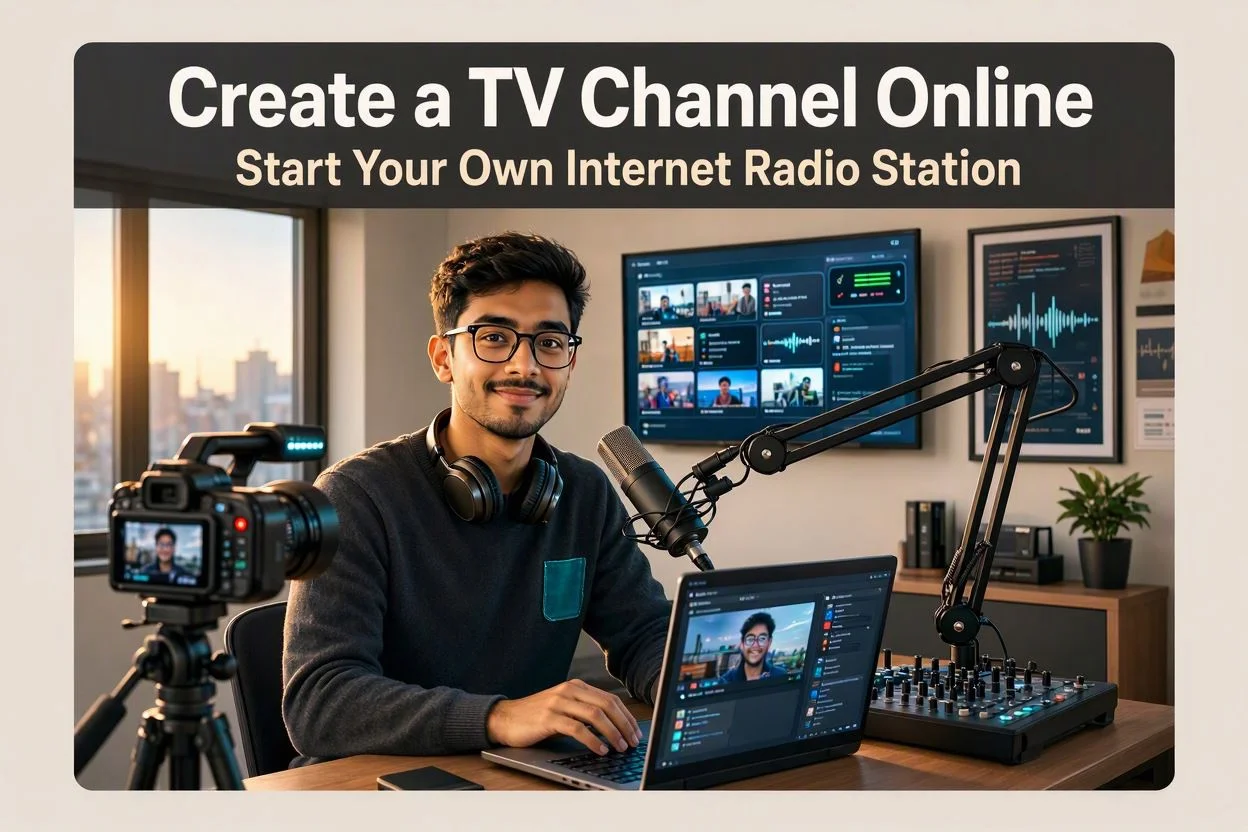
The traditional broadcasting industry once required enormous investments to reach a large audience. Television stations needed transmission facilities, expensive equipment, studios, staff, and distribution agreements. Radio broadcasters faced similar challenges.
Internet technology has created another path.
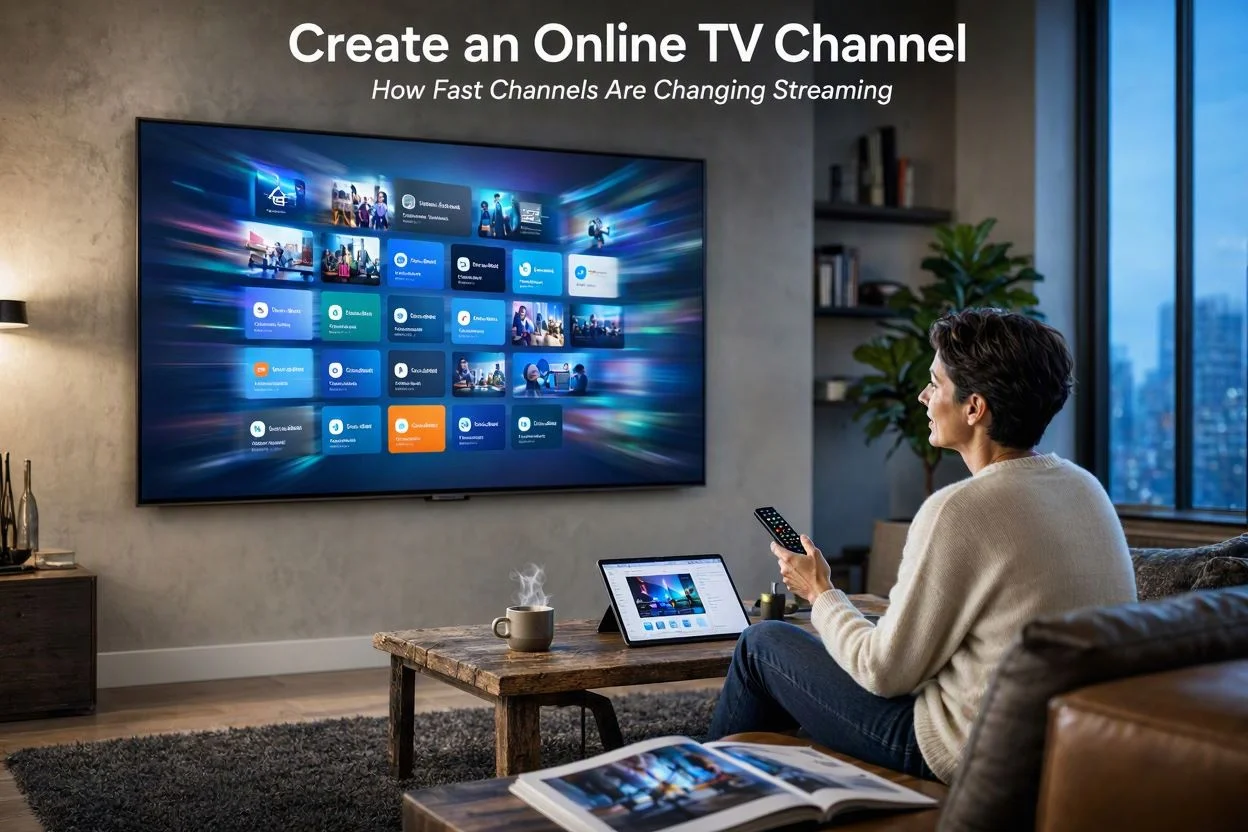
Today, a creator, company, community organization, or media entrepreneur can create a TV channel online without building a traditional terrestrial broadcasting facility. You can also start your own internet radio station and distribute audio to listeners through the same digital ecosystem.
The key is understanding how the pieces fit together.
Begin With a Clear Media Concept
Before thinking about technology, decide what you want your audience to experience.
Ask yourself a few basic questions:
- Who is the target audience?
- What type of programs will you produce?
- How frequently can you publish?
- Will the content be live or prerecorded?
- What makes your channel different?
- How will you promote it?
A clear concept makes later decisions much easier.
For example, a local media brand could combine regional news, interviews, cultural programs, music, and community announcements.
A specialized business channel could focus on industry interviews, educational content, expert discussions, and product demonstrations.
Make Your TV Content
The content is the heart of your online TV channel.
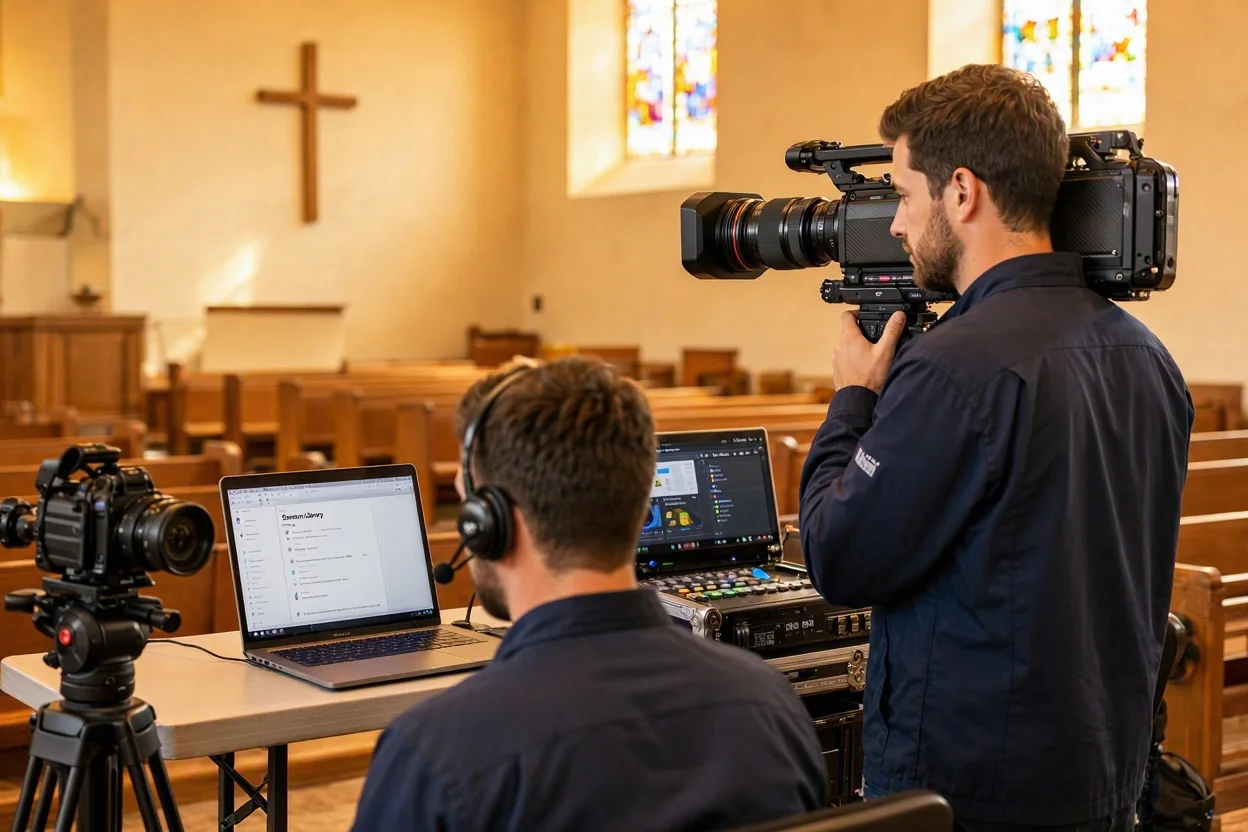
You can produce your own shows with cameras, microphones, lighting and editing software. Where appropriate you can also work with independent producers or license content.
Some common formats include:
Live Performances
Live programs can feature interviews, discussions, events, news, and audience interaction.
Programs Recorded
Programs that are prerecorded can be made in advance and are easier to schedule.
Short form content
Social media and promotional campaigns thrive on short videos.
Long Form Programs
Documentaries, interviews, educational courses, and entertainment programs are able to provide longer viewing experiences.
Create a Programming Schedule
A professional online channel benefits from a structured schedule.
You could organize your day into programming blocks.
For example:
Morning: News and informationLate morning: Educational programsAfternoon: Music and lifestyleEvening: Interviews and entertainmentNight: Movies, documentaries, or specialty programming
Automated scheduling can ensure that the correct program plays at the correct time.
This is particularly useful if you want the channel to operate continuously.
Start Your Own Internet Radio Station
Video is not the only way to build an audience.
When you start your own internet radio station, you can reach people who prefer listening while working, driving, exercising, or doing other activities.
Radio programming can include:
- Music
- Talk shows
- Interviews
- News
- Sports
- Educational programs
- Community announcements
- Podcasts
- Specialist programs
You can broadcast live, use automation, or combine both approaches.
Use Automation
Automation can make a small broadcasting operation much easier to manage.
Instead of requiring a presenter to operate the station every minute of the day, you can prepare playlists and schedules in advance.
Live presenters can then take over during important programs.
The same principle can be used for your television channel.
Reuse Content Across Platforms
Producing original content takes time.
For that reason, think about how one production can be used in multiple ways.
A recorded television interview can become:
- A full TV program
- An audio radio program
- A podcast episode
- Several social media clips
- A written article
- Promotional material
This approach can significantly increase the value of each production.
Build a Website
Your website can serve as the central home for your media brand.
It can contain:
- TV player
- Radio player
- Program schedule
- Presenter information
- Show descriptions
- News and articles
- Contact information
- Social media links
Make the viewing and listening experience simple. Visitors should not have to search through multiple pages to find your live channels.
Promote Your Media Brand
Use social media to announce new programs and upcoming broadcasts.
Short clips can be especially useful for attracting attention. A compelling 30-second segment from an interview may encourage someone to watch the complete program.
You can also collaborate with guests and presenters, allowing them to share their appearances with their own audiences.
Monetize Your Audience
As your audience grows, you may have opportunities to generate revenue through advertising, sponsorships, memberships, subscriptions, donations, or branded content.
Don't focus only on monetization during the early stages. Building a reliable audience and producing useful content should come first.
Keep Improving
Digital broadcasting is an ongoing process.
Monitor audience behavior and identify which programs receive the strongest response. Improve weak formats, produce more of the content that works, and experiment with new ideas.
By combining online television with internet radio, you can build a broader media brand without having to rely entirely on traditional broadcasting infrastructure.