Sign up with Google
 Sign in with Zoho
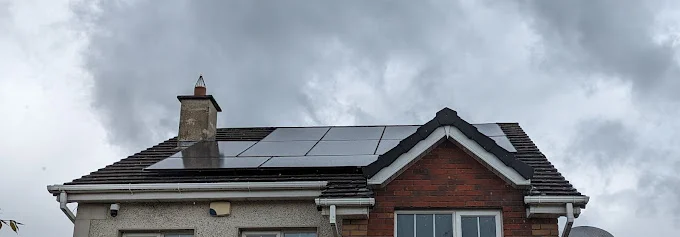
Installing solar electricity is a significant home improvement, but the process becomes much easier when you know what to check before signing a contract. This guide explains what to ask, what to prepare and what documents to keep when installing Solar Photovoltaic Panels Ireland homeowners can rely on for clean electricity.
The right system is not necessarily the largest system available. It should match your roof, household consumption, budget and plans for technologies such as an electric vehicle, heat pump or battery. Use the checklist below to compare proposals carefully and make informed decisions.
1. Understand what PV panels do
If you are asking, “what are pv panels?”, the answer is straightforward: photovoltaic panels convert daylight into direct-current electricity. An inverter then converts that electricity into alternating current for use in the home. A PV system can reduce the amount of electricity you buy from the grid, while surplus generation may be stored or exported, subject to the applicable connection and supplier arrangements.
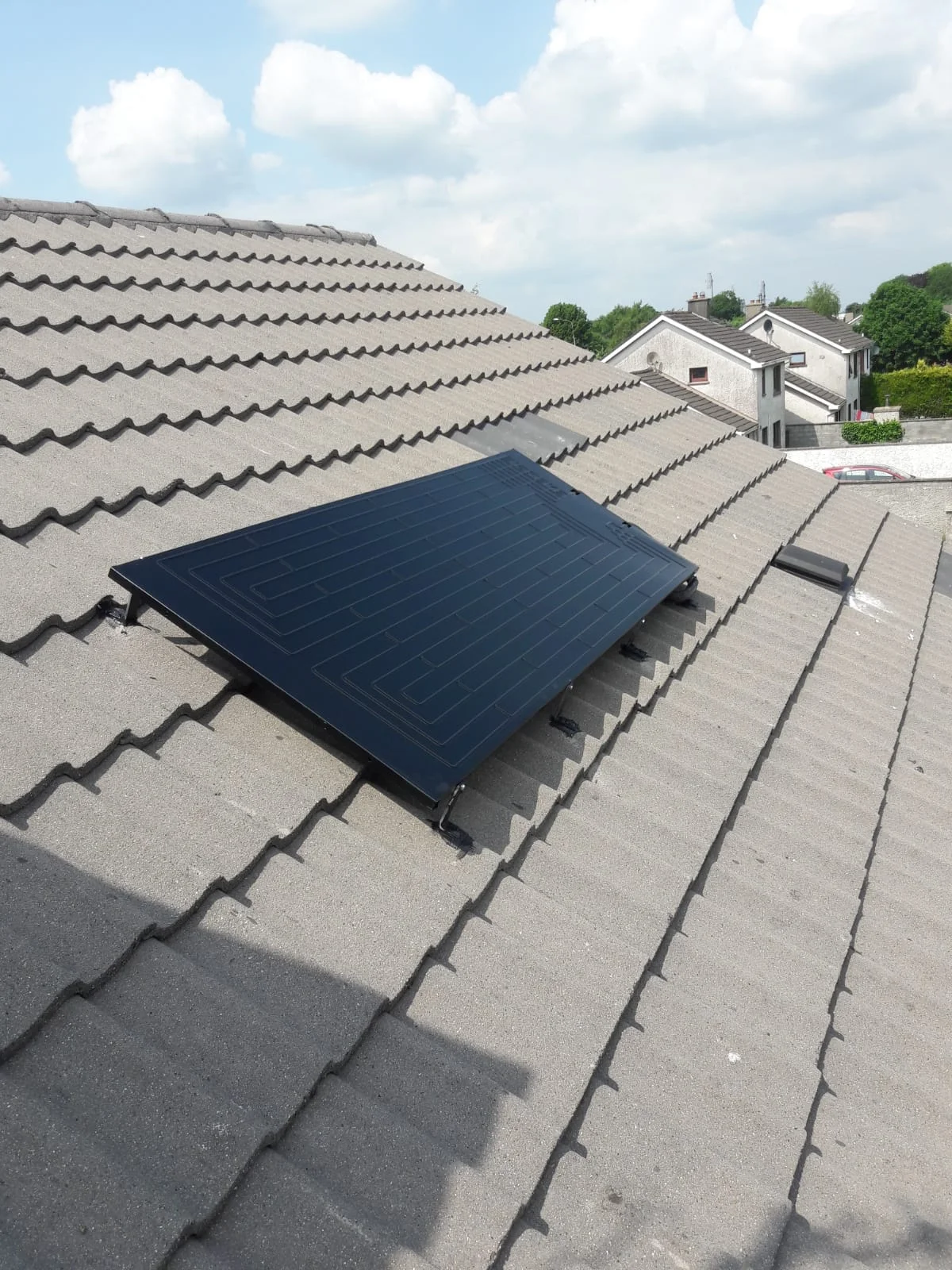
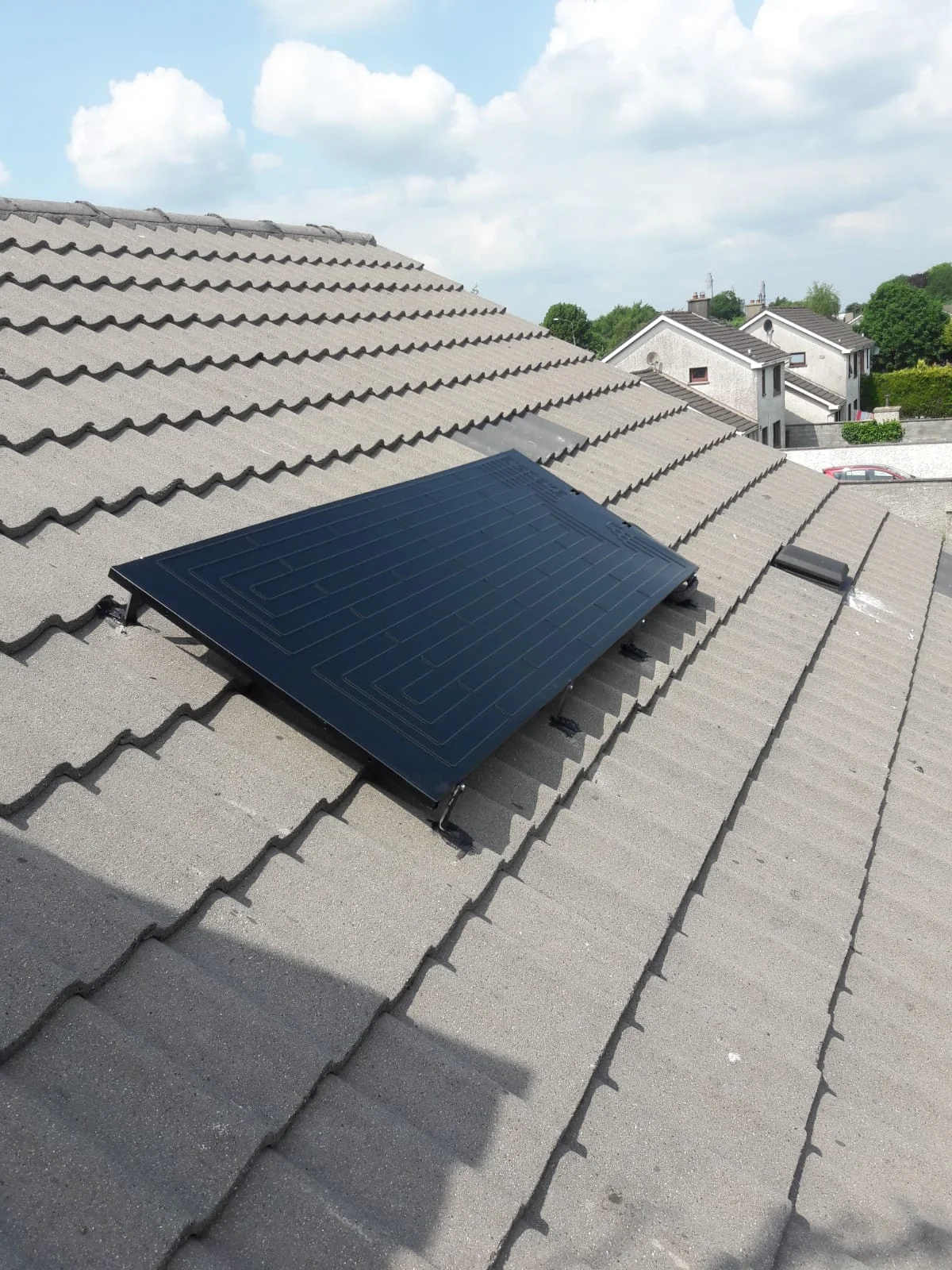
The terms Solar Photovoltaic Panels, solar pv panels, pv solar panels and pv panels usually describe the same electricity-generating technology. They are different from solar thermal panels, which heat water rather than generate household electricity. PV modules have no moving parts, and a properly designed system can provide useful output even in Ireland’s variable weather.
2. Check your home and roof first
Before requesting a final quote, inspect the roof’s age, condition and construction. Panels and mounting equipment are intended to remain in place for many years, so it is sensible to repair or replace a roof that is already approaching the end of its serviceable life. Ask the installer whether the roof structure can support the proposed array and whether any additional supports or access equipment are required.
Record the roof direction, pitch and areas affected by chimneys, skylights, dormers, trees or nearby buildings. A south-facing roof is often favourable, but east- and west-facing roof sections can also be productive. Shading should be assessed at different times of day and throughout the year because even limited shade can reduce generation.
Also check whether your property has restrictions such as an architectural conservation designation, protected structure status, a management-company rule or an unusual roof arrangement. Planning requirements can depend on the property and the installation, so ask your installer and local planning authority to confirm the position before work begins.
3. Work out how many panels you need
One of the most common questions is, “how many pv solar panels do i need?” There is no single answer for every house. The calculation should use your annual electricity consumption, the times when the home is occupied, available roof area, panel wattage, orientation, shading and future electricity demand.
Your installer should review recent electricity bills and explain the expected annual generation in kilowatt-hours. A typical residential panel may produce around 370–500 watts under standard test conditions, but the number printed on the panel is not the same as its annual output. A larger system may generate more electricity, but if much of it is exported, it may not deliver the best value for your household.
If roof space is limited, small pv panels or higher-efficiency modules may help you fit useful capacity into a smaller area. They may not be the cheapest option per panel, so compare the expected annual output, warranty and total installed price rather than choosing based on physical size alone.
4. Compare the full PV panel installation cost
Searches for pv panels ireland cost, pv panel installation cost and pv panels ireland often produce broad price ranges. That is because the final price depends on system size, panel and inverter specification, roof access, electrical work, scaffolding, monitoring, battery storage and any remedial roof work.
Ask every installer for a written, itemised quotation. It should state the number and model of panels, total system capacity, inverter brand and size, mounting system, estimated annual generation, VAT, labour, scaffolding, certification, monitoring and removal of packaging. It should also identify optional items such as a battery, hot-water diverter or EV charger.
Do not compare one quote that includes a battery with another that excludes it. Ask whether the price is before or after any grant and whether grant eligibility is conditional on using a particular installer or equipment. A transparent quote should also explain payment stages, cancellation terms, expected installation dates and the cost of future maintenance or replacement components.
5. Check SEAI grant requirements before work starts
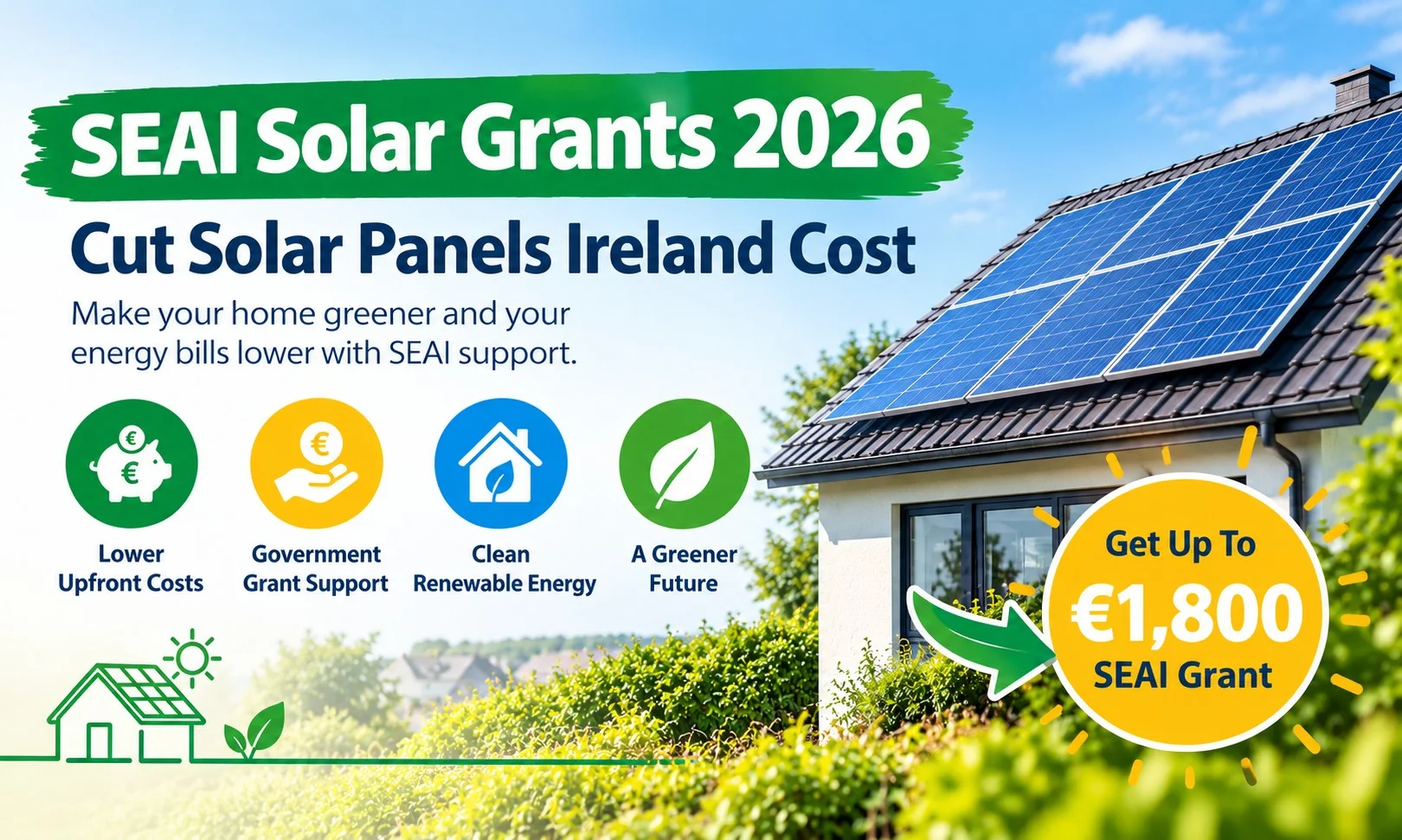
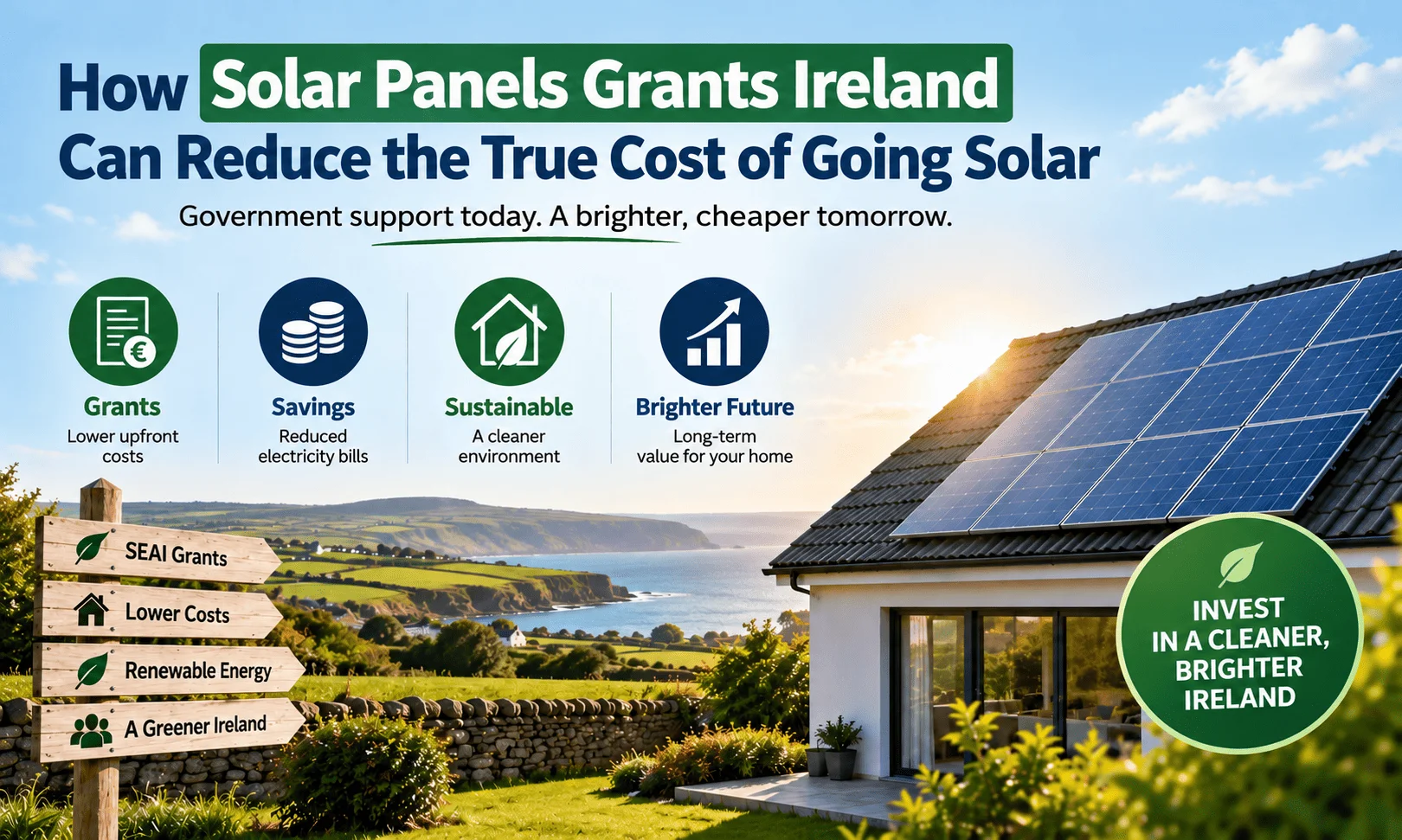
If you intend to claim the SEAI Solar PV grant, do not allow work to begin before the grant application has been approved. Current SEAI guidance says eligible homes must meet scheme conditions, including having an MPRN and being built and occupied before 2021. The grant is calculated by system capacity and is subject to a maximum, so check the latest official rate rather than relying on an old article or sales estimate .
Choose an SEAI-registered solar PV company, obtain a written contract and check that the installer named in your approval is the company carrying out the work. SEAI guidance states that approved applicants have a limited period to complete the project and submit the required evidence. Scope changes, including changing the company or system size, may need approval before installation.
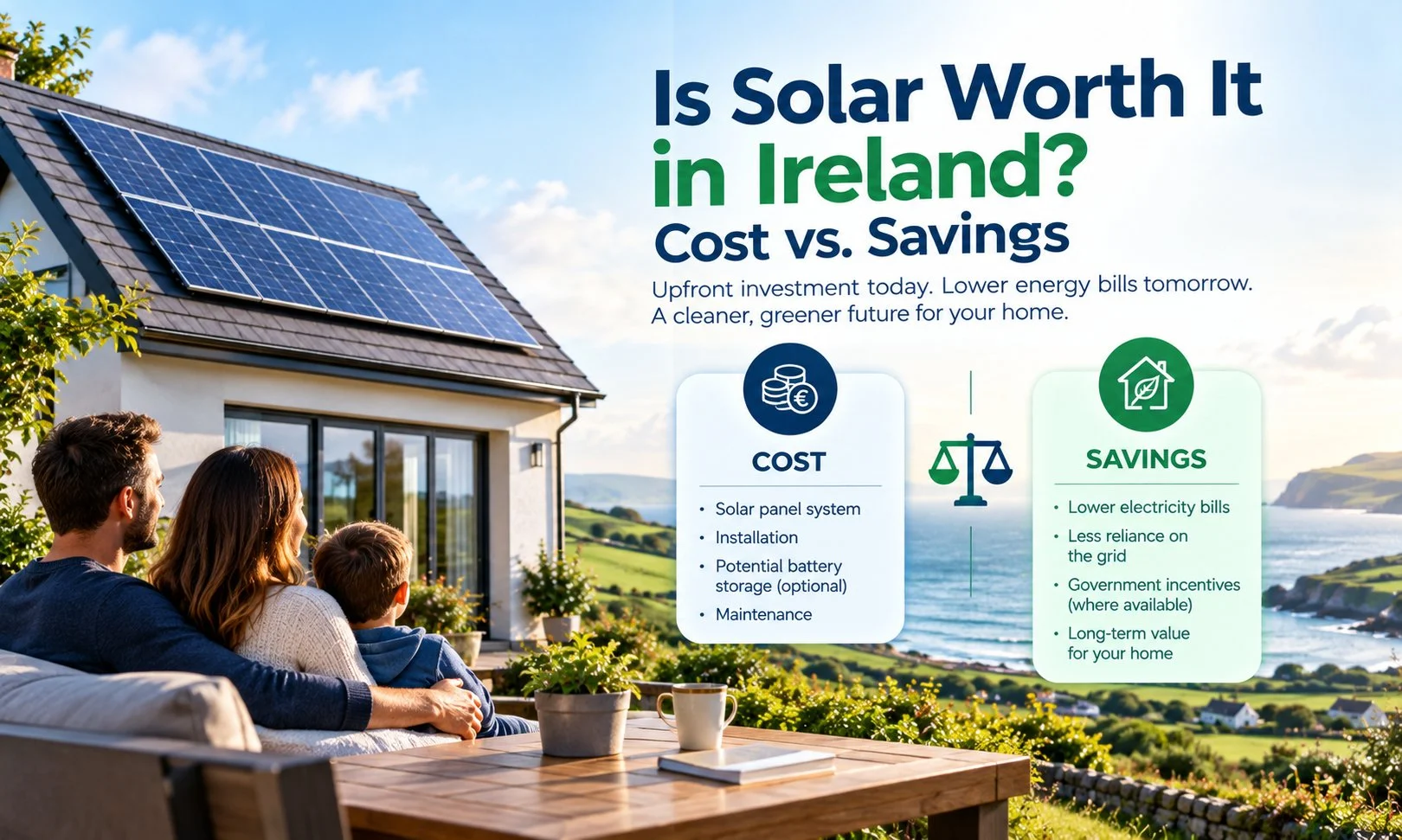
The grant is only one part of the financial assessment. Ask for an estimate of annual generation, self-consumption, export income, electricity-bill savings and likely payback. These figures are forecasts, not guarantees, because electricity prices, household behaviour, weather and equipment performance can change.
6. Confirm electrical and grid connection arrangements
Your quotation should explain who will manage the ESB Networks notification and what you need to do as the homeowner. ESB Networks classifies solar PV as microgeneration within defined limits. For a low-voltage single-phase connection, the published microgeneration limit is up to 25 amperes, approximately 6 kVA; three-phase connections have a different limit . A larger or unusual system may follow another connection route.
Before installation, confirm that the inverter has the required Irish settings and appropriate compliance documentation. The work should be completed by a registered electrical contractor to the applicable Safe Electric standards. Ask whether your installer will submit the NC6 notification and when it must be completed. Do not assume that installing panels automatically guarantees export payments; arrangements for buying exported electricity are made with your electricity supplier under the applicable rules.
7. Choose equipment for your actual needs
When you buy solar pv panels, compare more than the headline wattage. Look at efficiency, physical dimensions, temperature performance, product warranty, performance warranty, degradation assumptions and manufacturer support. Ask whether the proposed panel layout can accommodate roof windows, vents and future maintenance access.
The inverter is equally important because it converts panel output into usable household electricity. Confirm its location, noise level, ventilation, warranty and monitoring options. If you may add a battery later, ask whether a hybrid inverter should be installed now. A battery can increase self-consumption, but it adds cost, space requirements and another component with its own warranty and replacement considerations.
8. Prepare for installation day
Agree how installers will access the roof and where equipment will be stored. Confirm whether scaffolding, parking, weather delays and temporary electricity interruptions are included in the plan. Ask the installer to protect roof coverings, keep cable routes neat and identify where the inverter, isolators and any battery will be mounted.
Before the team leaves, request a commissioning demonstration. You should know how to read the monitoring app, identify normal operating indicators, shut the system down safely and contact the installer if a fault appears. Never attempt electrical repairs yourself. Keep the emergency shutdown instructions where household members can find them.
9. Collect the handover documents
A complete handover should include the signed contract and invoice, panel and inverter datasheets, warranties, system design, estimated performance, operation and maintenance instructions, electrical test and commissioning certificates, Safe Electric documentation and the ESB Networks notification evidence.
For an SEAI claim, additional evidence can include the Declaration of Works, photographs, a post-works BER assessment and other documents listed by the scheme. Arrange the post-works BER promptly and confirm that your solar PV company has uploaded the required information. Keep digital and paper copies because documents may be needed for future servicing, insurance, a property sale or an SEAI inspection.
10. Review performance after installation
Generation is seasonal. SEAI explains that most Irish solar PV production occurs between May and September, so comparing one winter month with a summer month can be misleading . Use the monitoring system to review generation, household consumption, battery activity and export over several months.
Clean panels only when necessary and follow the installer’s maintenance advice. If output falls unexpectedly, first check the monitoring system for an alert and then contact the installer. Do not climb onto the roof or open electrical equipment without the appropriate training.
Final checklist before you sign
Before committing to a solar PV system, make sure you can answer “yes” to the following questions:
Roof: Is the roof sound, accessible and reasonably free from shading?
Design: Does the proposed system capacity match your household consumption and future energy plans?
Quote: Are equipment, labour, VAT, scaffolding, certification and optional extras clearly itemised?
Installer: Is the company appropriately registered and experienced with Irish residential installations?
Grant: If you are applying for a grant, has approval been received before the work starts?
Grid: Has the installer explained the ESB Networks notification process and electricity export arrangements?
Handover: Will you receive all warranties, certificates, manuals and monitoring access after installation?
A careful homeowner does not need to become a solar engineer. By checking the roof, sizing the system around real electricity use, comparing complete quotations and retaining the right paperwork, you can make the move to Solar Photovoltaic Panels Ireland households can use confidently. For a property-specific design, request a detailed survey and written quotation from a qualified installer, such as LVP Renewables.







.webp)