Sign up with Google
 Sign in with Zoho

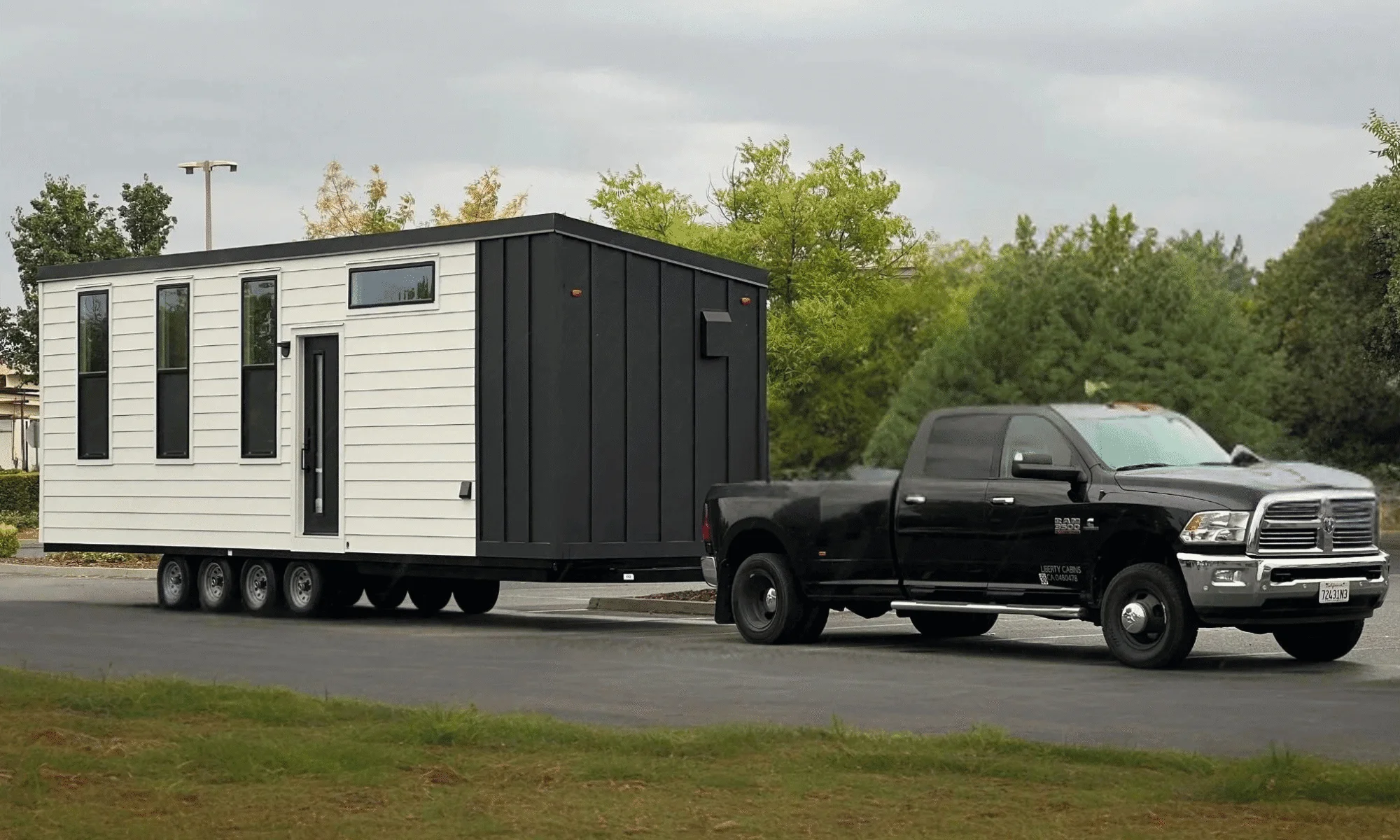
A tiny house looks pretty straightforward until you actually try to build one. You find a design you like, start adding up the costs, and then someone tells you that you'll need drawings, permits, or a different foundation. Great. Just what you wanted. The truth is, building small doesn't always mean building simple. There are decisions to make, and some of them can get expensive if you get them wrong. That's why the tiny house experts you bring into the project matter. But do you really need an architect, a builder, and a designer? Maybe. Maybe not. It depends on what you're building, where it's going, and how much of the work you've already figured out. Let's break it down without making it more complicated than it needs to be.
An Architect Can Save You From Costly Design Mistakes
People sometimes assume an architect is only needed for a large, expensive house. Not always. A tiny home can have its own set of headaches, especially when the land is awkward or the design isn't exactly standard. An architect looks at the structure, the layout, and how everything fits together. They might notice that your dream staircase eats up too much floor space, or that a window placement creates problems you hadn't thought about. These things are easier to fix on paper than after construction begins. If your tiny house will sit on a permanent foundation, you'll also need to think about the site, drainage, structural requirements, and local building rules. An architect may help with those plans and approvals, depending on the job and their qualifications. Still, I'm not going to say every tiny house needs one. If you're using a simple, established design, paying for a full architectural service might not make much sense. Know what you're paying for first.
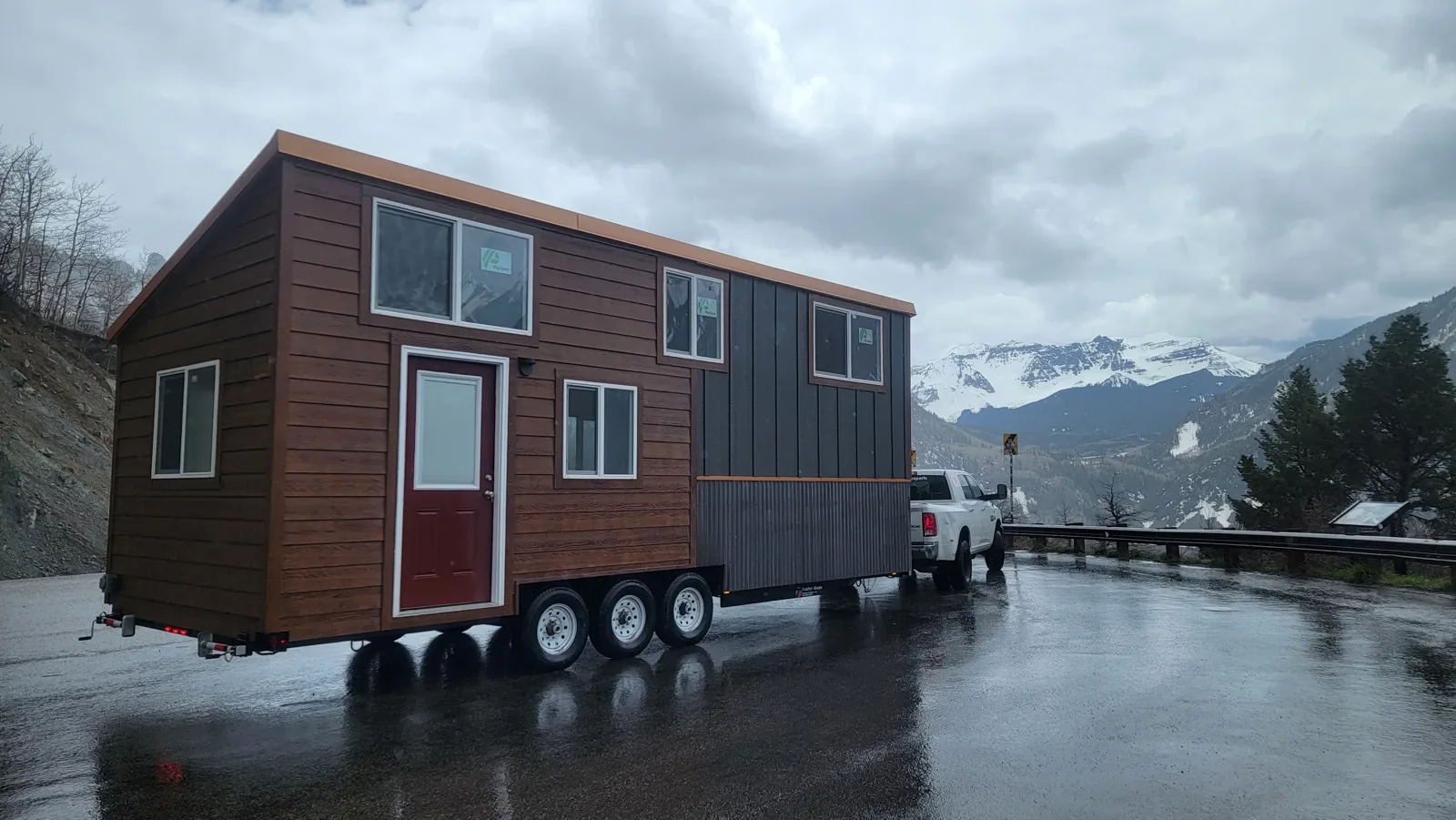
A Tiny House Designer Thinks About Everyday Living
Here's something that gets overlooked. You can have a beautiful tiny house that becomes a pain to live in after a few weeks. The kitchen looks lovely, but there's nowhere to put the groceries. The bed fits, but getting into it means bumping your knee against a cupboard. Little things, sure. Until you deal with them every day. A designer helps work through these practical details. They consider storage, furniture, lighting, finishes, and how people will actually use the available space. That last part matters more than fancy cabinets or expensive tiles. In a small home, even moving a doorway a few inches can change how the room feels. Some designers can also prepare layouts and construction drawings, though their services and qualifications vary. Ask about that before hiring anyone. If your main concern is making a limited space comfortable, a designer with experience in small homes could be a sensible starting point. You don't need every corner to look impressive. You need it to work.
The Builder Is the Person Who Makes It Happen
You can spend months getting the drawings right, but eventually somebody has to pick up the tools. That's the builder's job. They organise the construction, coordinate trades, order materials, and deal with the practical side of getting the house built. And there will be practical problems. A pipe might need rerouting. A material might cost more than expected. Something that looked easy on a drawing may take longer to install than anyone thought. An experienced tiny house builder has usually seen a few of these situations before. That experience is useful, particularly when working in tight spaces where plumbing, electrical systems, insulation, and ventilation all have to fit together. Don't choose a builder based on price alone. Ask to see previous projects, and if possible, speak to someone who's already worked with them. Find out exactly what's included in the quote, too. If the builder says they'll handle everything, ask what everything means. It sounds obvious, but you'd be surprised how often people skip that conversation.
Can One Professional Handle the Whole Project?
Sometimes, yes. You don't automatically need three separate people just because there are three different job titles. Some companies offer design and construction together. Others have designers who work closely with builders, so you aren't left passing drawings between people who barely know each other. This can make the process easier, especially if you're working with a tight budget. But don't assume one person can legally or competently do every part of the job. Qualifications, registration requirements, and permitted responsibilities vary by location. A straightforward tiny house based on an established plan may need less professional input than a custom home built on a difficult site. Your location matters as well. A tiny house on wheels may face different rules from one built permanently on a foundation. And neither is automatically exempt from local regulations just because it's small. Check the rules before spending serious money. Finding out that your planned home can't be approved after you've paid for the design is a rough way to start.
Choosing the Right Professional Without Blowing Your Budget
Start by working out where you're stuck. If you haven't bought land yet, or you're unsure whether a particular site will work, investigate planning and site restrictions before paying for detailed drawings. If you've got the site and a rough idea but can't make the layout work, talk to a designer. Already have plans and need someone to build the house? Start interviewing builders who have done similar work. Be specific when asking for quotes. Does the price include materials, labour, site preparation, utility connections, and finishing work? What happens if costs rise halfway through? These aren't awkward questions. They're basic ones. If you're planning an accessory dwelling unit, finding an experienced adu builder may help because ADUs can have their own rules around setbacks, utilities, foundations, and permitted use. Just make sure the person understands the requirements in your area rather than assuming every small dwelling follows the same standards. A little checking now can save you from a much bigger bill later.
Small House, Big Decisions: Mistakes Worth Avoiding
One common mistake is falling in love with a design before checking whether it suits your budget. That loft bedroom might look brilliant online, but what about the stairs, headroom, ventilation, and access? The same goes for huge windows, custom furniture, and clever storage systems. They can be worth having, but they aren't always cheap. Another problem is forgetting about the land. Getting a tiny house built is one thing. Getting it onto the site, connecting water and electricity, sorting out drainage, and meeting local requirements is another. These costs don't always show up in the first estimate. People also make things harder by leaving the builder out of early design conversations. A designer comes up with an idea, the builder says it's difficult to construct, and now the drawings need changing. Nobody's happy, and somebody has to pay for the extra work. Get the right people talking before that happens. It doesn't need to be a massive planning exercise. Just don't leave every important decision until the last minute.
Conclusion: Get the Help You Actually Need
There's no single answer to whether your tiny house project needs an architect, a designer, or a builder. It comes down to the job. An architect can help with structural planning and complicated sites. A designer can make a small home easier to live in. A builder takes those plans and turns them into something real. Some projects need all three. Others don't. The trick is knowing where professional help will make a genuine difference instead of paying for services you don't need. Take your time choosing people, check their experience, and get the details in writing. If something doesn't sound right, ask about it. Don't feel pressured to agree just because someone makes the process sound complicated. Building a tiny house should be an exciting project, even if it gets frustrating now and then. Plan sensibly, keep your expectations realistic, and focus on the home you want to live in. That's what all the drawings, phone calls, and building work are supposed to lead to.