Sign up with Google
 Sign in with Zoho

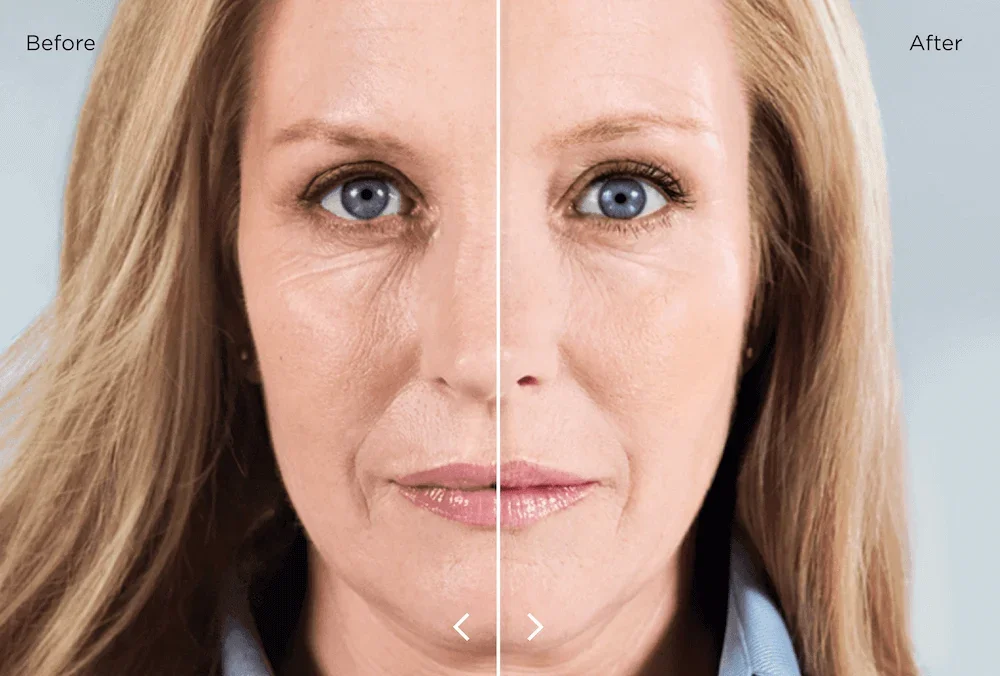
Summary: Sculptra tells your body to make more collagen instead of adding filler directly. Nothing happens for weeks. Then your skin gradually becomes firmer, fuller, and more resilient. Results can last up to two years. It's for people willing to wait for lasting improvement, not people wanting instant change.
What Is Sculptra?
Sculptra uses poly-L-lactic acid to trigger collagen production. Your body recognizes it and starts building new collagen over time. That's it. You're not getting filler injected that sits under your skin until it breaks down. You're getting your body to fix itself.
Most injectables work like this: you get injected, you leave looking different. Sculptra doesn't work that way. You get injected, you leave looking the same. Then weeks pass. Your skin gets gradually firmer, fuller, smoother. By month three, you look noticeably better.
Eyre describes it as working with your natural processes. You're rebuilding the collagen framework that's been breaking down from aging, sun exposure, and time. That's fundamentally different from patching a wrinkle or adding volume to one area.
The practical implication: this isn't a quick fix. It's a longer investment for longer results. Some people love that approach. Others hate waiting. There's no middle ground.
Sculptra Pros: What Are the Potential Benefits?
1. Your body actually builds the improvement
This matters more than people realize. You're not getting filler that your body eventually metabolizes and makes disappear. You're triggering collagen production. Collagen is the protein responsible for skin firmness, elasticity, and structure. When collagen increases, your skin genuinely gets better. Not temporarily. Actually better.
2. The results look subtle and natural
Because the change happens gradually, people don't notice it happened at all. They just think you look refreshed. You slept better. You're taking care of yourself. Nobody's clocking that you got work done. That appeals to a lot of people who want improvement without obvious treatment.
3. Results stick around
Eyre says up to two years. Compare that to traditional fillers that disappear in six months and require constant touch-ups. If Sculptra results actually last that long, you're not living in the appointment cycle. That changes the financial picture entirely.
4. It improves your whole face, not just one wrinkle
Fillers target specific areas, a line here, volume loss there. Sculptra rebuilds your collagen framework overall. Your cheeks get fuller. Your skin gets firmer. Your texture improves. Your whole face benefits instead of one injected area.
5. It works with your skin's actual structure
Instead of patching surface problems, Sculptra addresses what's underneath. Loss of collagen is the root issue with aging skin. Sculptra tackles that directly.
Sculptra Cons: What Are the Potential Drawbacks?
1. Results Are Not Immediate
This is the deal-breaker for a lot of people. You get injected and leave looking exactly the same. For weeks, honestly. Six to eight weeks before you see noticeable improvement. Twelve weeks before meaningful change appears. If you're used to injectables where you see results immediately, this is frustrating. If you're the type who needs instant gratification, don't do this.
2. Multiple Sessions May Be Recommended
Sculptra is often administered through a series of treatments rather than relying on a single session. Eyre Esthetics notes that multiple sessions may be used to allow the treatment to build gradually.
This means the overall treatment plan can involve more time and appointments than someone initially expects.
3. It Requires Patience
The gradual nature of Sculptra can be an advantage for some people but a disadvantage for others.
If your goal is immediate correction of a particular area, a different injectable may be discussed during consultation. The appropriate option depends on your anatomy, goals, and treatment plan.
4. There Can Be Temporary Injection-Related Effects
Like all injectables, you might have swelling, bruising, redness, or tenderness at injection sites. Usually settles in a few days but it's annoying if you have plans.
5. It Is Not Right for Every Goal
If you have one specific wrinkle you want gone or one area needing volume, pick a different filler. Sculptra is about overall face improvement, not precision work.
Sculptra Good and Bad: How Should You Weigh the Trade-Offs?
When people search for Sculptra good and bad, they are often trying to determine whether the treatment is worth considering.
A useful way to look at it is through expectations:
Neither side should automatically determine whether Sculptra is right for you. A consultation can help establish whether the treatment fits your skin, facial anatomy, expectations, and desired timeline.
What Should You Consider Before Sculptra Treatment?
What are you trying to actually achieve? Be honest. Do you want your whole face progressively looking better, or do you need one specific thing corrected? Different goal, different treatment.
Can you genuinely wait months? Not "I think so." Can you? If delayed results frustrate you, don't do this.
Are you prepared for multiple appointments? This isn't one session. Usually 2-3 appointments spread across months. That's time, scheduling, recovery multiple times.
Do you have the budget? $900 per vial, probably 2-3 vials minimum. That's 1,800-2,700 invested before you see real results. Can you afford that?
Who's actually injecting? This matters way more than people think. You want someone who understands facial anatomy and has real experience with Sculptra. Ask about their background and look at actual before/afters from real clients.
Sculptra at Eyre Esthetics in Pasadena
Eyre Esthetics offers Sculptra as part of its injectable treatments in Pasadena. Its current treatment information explains that Sculptra uses poly-L-lactic acid to stimulate collagen production and is intended to produce gradual improvements in facial wrinkles, skin tightness, volume, and texture. The practice notes that results may last up to two years, depending on the individual.
Eyre Esthetics also states that its treatments begin with personalized consultation, allowing the team to understand individual goals and create a treatment plan around them.
For anyone researching sculptra pros and cons, this personalized approach is important because the ideal treatment plan can differ from one person to another.
Frequently Asked Questions About Sculptra Pros and Cons
1. How does Sculptra compare to other fillers?
They're completely different. Fillers add volume immediately. Sculptra builds collagen gradually. Want instant results or have one specific thing to fix? Fillers. Want your whole face progressively looking better? Sculptra.
2. When do I actually see something happen?
Six to eight weeks before it's noticeable. Full results after multiple sessions over several months. That's the trade-off for results lasting years instead of months.
3. How long do the results actually last?
Up to two years according to Eyre. But individual variation is real. Some people's bodies respond better and get longer results. Others don't. It's not exact.
4. What does it cost?
$900 per vial at Eyre. Most people need 2-3 vials spread across multiple sessions. So you're investing $1,800-$2,700 total across several months. That's more upfront than a single filler treatment, but if it lasts two years, the math is different than constantly maintaining with other fillers every six months.
5. Is this right for everyone?
No. Some people are patient and want gradual change. Others want immediate results. Some have the budget. Others don't. A consultation tells you if this actually makes sense for your specific situation.
6. What are the actual pros and cons in short?
Pros: builds real collagen, results last potentially two years, looks natural because it happens gradually, improves overall skin quality. Cons: nothing happens right away, needs multiple sessions, costs real money upfront, requires patience.
Final Thoughts
Understanding the Sculptra pros and cons is really about figuring out whether this approach matches what you want. Sculptra offers gradual collagen stimulation and potentially long-lasting improvements, but it requires patience and multiple sessions.
If you're considering it, have a real conversation with a qualified provider about your goals, timeline, treatment plan, potential risks, and total cost. A personalized consultation is what tells you whether this is actually the right move or whether something else makes more sense.













.webp)