Sign up with Google
 Sign in with Zoho

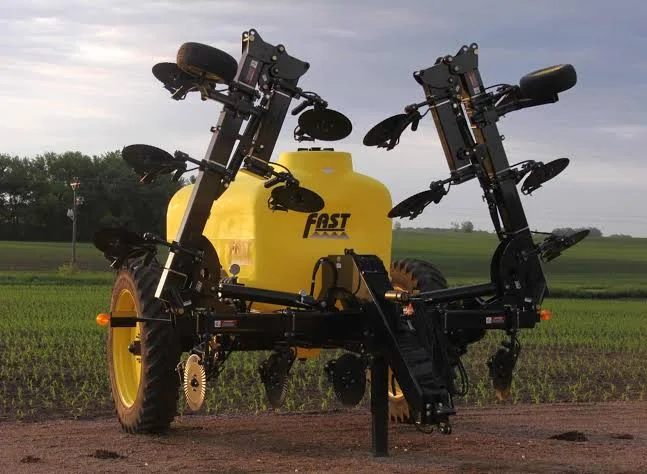
Uneven application is the silent yield killer most farmers don’t catch till harvest numbers come in low. The best liquid fertilizer equipment stops that problem before it starts, keeping every acre fed properly instead of some rows getting double doses while others get skipped clean over.
The Real Cost of Uneven Application Nobody Talks About
Most guys think uneven spraying just means a little waste here and there, no big deal. Truth is it’s way worse than that, cause overlapping spots get nutrient burn while the gaps between just sit there starving the whole season. You end up with a field that looks fine from the road but yields all over the map when you actually combine it. That inconsistency, that’s the real money loss, way more than whatever extra fertilizer you think you saved by cutting corners.
Why Older Equipment Struggles With Even Coverage
Older rigs were built for a simpler time, when consistency wasn’t tracked close like it is now. Worn nozzles spray wider or narrower than they’re supposed to, and nobody notices til the pattern’s been off for weeks already. Pressure drops happen too on older pumps, especially going uphill or when the tank’s running low, and that throws rates off without any warning lights telling you. It’s not that old equipment is bad exactly, it’s just not built for the precision modern fertilizer prices actually demand.
Nozzle Selection Matters More Than People Give It Credit For
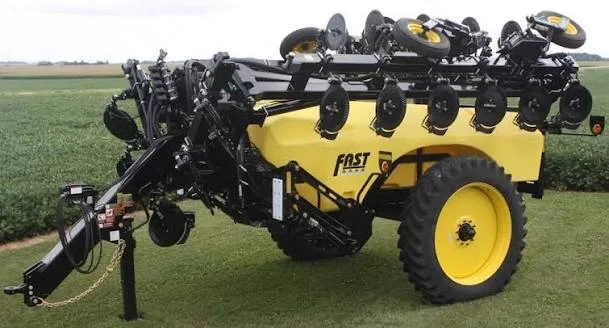
Picking the wrong nozzle type for your application is probably one of the sneakier causes of uneven coverage out there. Flat fan nozzles work differently than flood jets, and using the wrong one for your ground speed throws the whole pattern off even if everything else checks out fine. Worn nozzle tips, even by a little, change the spray angle enough to leave strips of under or over application across a pass. Checking nozzle wear every season, not every five years, keeps this from sneaking up on you.
Ground Speed Consistency, the Thing Everyone Forgets
Here’s something folks mess up constantly, they don’t match their application rate to actual ground speed changes. Slowing down on a turn or going up a hill without the system adjusting means that spot’s getting way more fertilizer than the flat straight runs did. Modern systems with rate controllers fix this automatically, but plenty of operations still run manual setups where the driver’s supposed to compensate and, well, humans forget sometimes. Consistent speed or equipment that adjusts for you, one of the two has gotta happen or coverage stays uneven.
Boom Height and Why It’s Not Just a Minor Detail
Boom height seems like a small thing until you realize how much it affects spray overlap patterns. Too high and you get drift plus inconsistent overlap between nozzles, too low and you get streaking where coverage doesn’t blend right between passes. Uneven ground makes this worse since the boom bounces and shifts height constantly across a field that ain’t perfectly flat. Some newer liquid fertilizer equipment auto-levels the boom now, which honestly fixes a problem most people didn’t even realize they had.
Calibration Is Boring But It’s Also Everything
Skipping calibration is probably the fastest way to guarantee uneven application, full stop. Fertilizer concentrations change between batches sometimes, and if you’re running last week’s calibration numbers on this week’s mix, you’re already off before you even start spraying. It takes maybe twenty, thirty minutes to calibrate properly, catch water samples, check flow rates, confirm nozzle output matches what the display says. Farmers who skip this step to save time usually end up losing way more time fixing patchy crop growth later anyway.
GPS Guidance and Section Control, Not Just Fancy Extras
A lot of guys still think GPS guidance is some luxury upgrade for the big operations with deep pockets. But section control, which shuts off individual nozzles when you overlap a previously sprayed area, is literally built to stop uneven double-application at headlands and odd-shaped fields. Without it you’re basically guaranteeing double coverage every single time you turn around at the end of a row. It pays for itself quickly once you see how much overlap waste it actually cuts out of a season.
Weather Conditions Throw Everything Off If You Ignore Them
Wind is the obvious one, everybody knows spraying in heavy wind pushes product sideways and leaves gaps where it shoulda landed straight down. But humidity and temperature mess with droplet size too, changing how liquid fertilizer settles onto the crop or soil surface. Spraying right before a downpour washes product away unevenly, leaving some zones stripped bare while runoff pools fertilizer somewhere else entirely. Checking the forecast isn’t just a nice habit, it’s basically part of doing the job right if coverage actually matters to you.
Tank Agitation and Why Mixing Never Really Stops
This one surprises people, fertilizer solutions can separate or settle inside the tank if agitation ain’t running the whole time you’re spraying. That means the first few passes might get a lighter mix while later passes get concentrated fertilizer that settles toward the bottom. Good liquid fertilizer equipment keeps agitation going constant, not just during fill-up, which keeps concentration even from first acre to last. Skipping this step, even for ten minutes mid-run, can throw off an entire afternoon’s worth of application without you ever seeing it happen.
Operator Training Still Matters More Than the Tech Does
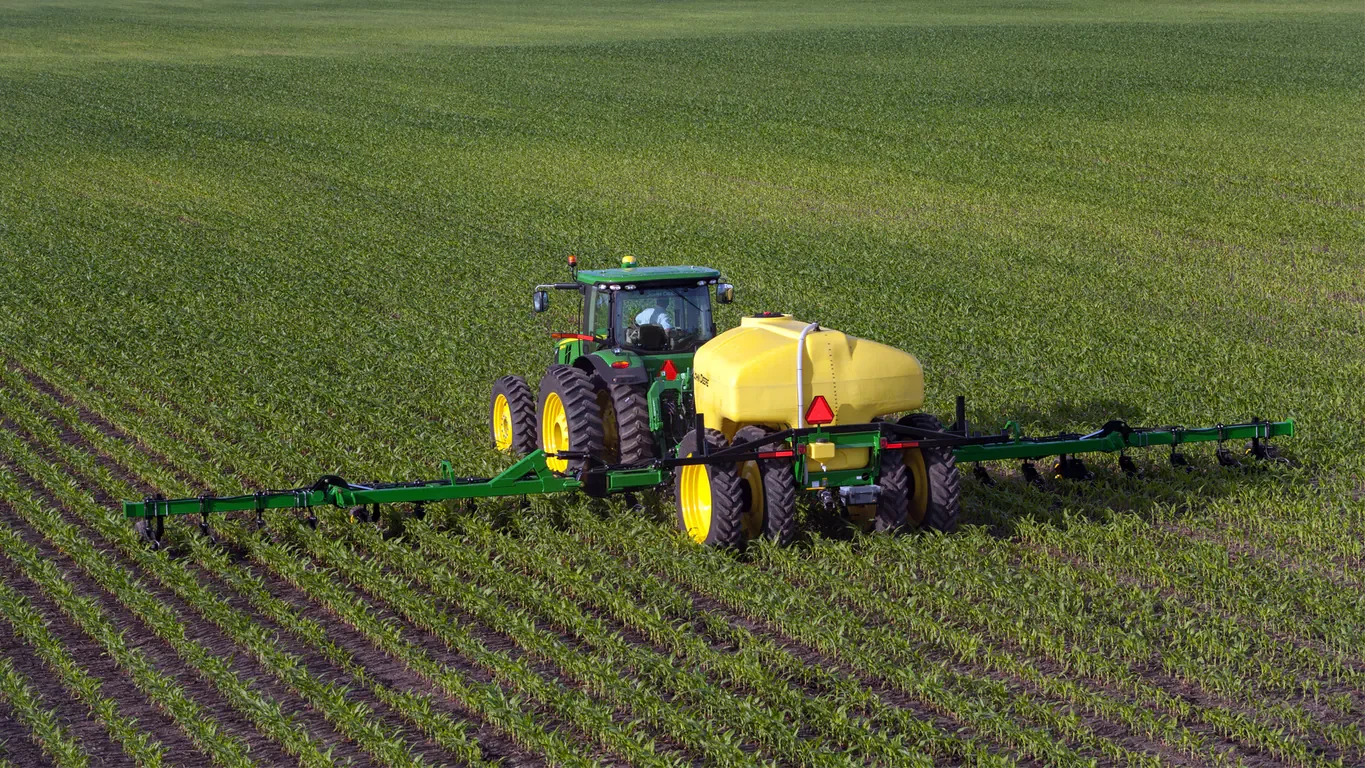
You can buy the fanciest equipment on the lot and still get uneven application if whoever’s driving doesn't know how to run it right. Training on calibration, on reading the display, on recognizing when something’s off before it ruins half a field, that stuff matters more than people admit. A lot of operations just hand the keys to whoever’s available that day without walking through the actual settings first. Spending an hour training operators properly saves way more than an hour’s worth of wasted product and uneven crop stands later.
Conclusion
Avoiding uneven application really comes down to paying attention to the small stuff, calibration, nozzle wear, ground speed, things people skip when they’re in a rush. The right liquid fertilizer equipment takes a lot of the guesswork out, but it still needs an operator who’s actually watching what’s happening out there. Pairing solid fertilizer gear with a reliable Pesticide Sprayer setup rounds out the whole operation, so pest control gets the same consistency treatment fertilizer does. Fix the basics first, the equipment’s just a tool, it’s how you use it that decides whether your field comes out even or patchy come fall.