
 Sign up with Google
 Sign in with Zoho

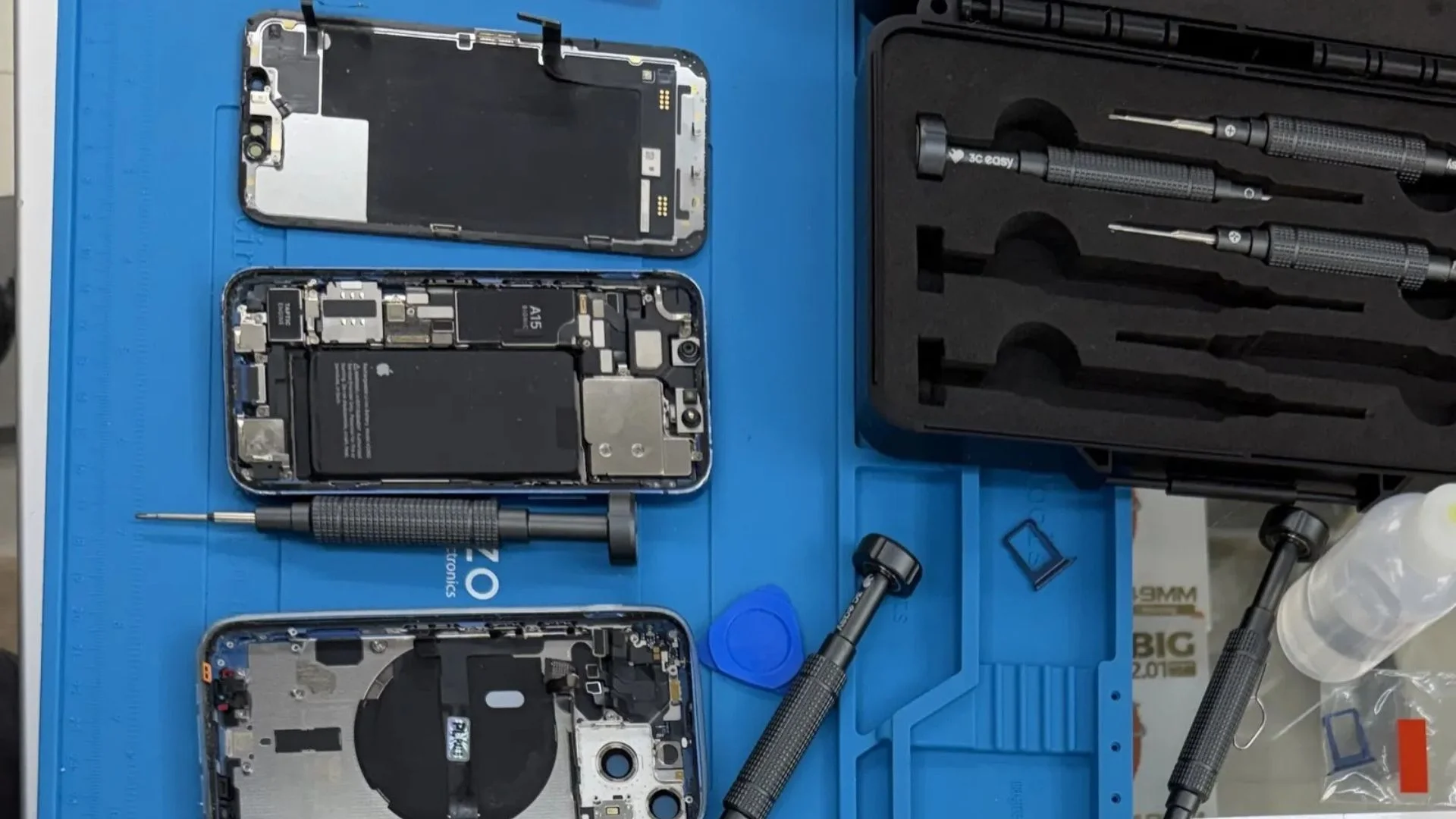
An iPhone is rarely dead instantly. It begins slowly. The battery falls to 40% during lunchtime; the screen fails to react to one or two taps; and the charger needs to be plugged in at the perfect angle. And although you convince yourself everything is going well until it does not start in the morning and suddenly you see how many things depend on that small rectangle.
If you are around, then you are in luck. This article discusses common problems with iPhones, how to understand what is really wrong, and when it is better to winter garden iphone repair.
The Most Common iPhone Problems (and What They Usually Mean)
There are certain types of issues that affect iPhones the most. Being aware of which type you are facing can help you take action.
Screen that is cracked or not responding. It's the most common issue. The former problem is quite straightforward, while the latter may mean that there is some damage hidden underneath the display, although it doesn't have any visible signs. Operating a cracked display allows for the penetration of moisture and dust into it, which leads to micro-cracks.
Quickly discharged battery. It's quite normal when the battery drains rapidly, from 100% to 20%, or turns off at 30% of its capacity. Batteries are disposable items, which lose their capacity with each charge cycle, and most batteries begin to degrade somewhere around the second or third year of their lifespan.
Charging problems. Before you assume the worst, grab a flashlight and look into the charging port. Lint packs in there from pockets and bags, and it’s the most common reason a phone “stops charging.” If the port is clean and the problem continues, the port itself may be worn or damaged.
Water damage. Even if your phone seems to dry out and work again, corrosion can keep creeping along inside. Problems sometimes show up weeks later.
Overheating, freezing, or random restarts. These can be software, but they’re also classic symptoms of a failing battery or a damaged component.
A Quick Word on Battery Problems
Of everything on that list, the battery is the fix people put off the longest, and it’s one of the most worthwhile. A fresh battery can make a three-year-old phone feel almost new again.
Here’s how to check yours. On an iPhone, go to Settings > Battery > Battery Health & Charging. You’ll see a “Maximum Capacity” percentage. When that number slips well below 80%, you’ll notice shorter days, slower performance at times, and unexpected shutdowns.
That’s when cell phone battery repair is usually the smartest and cheapest move. Replacing a battery costs far less than a new phone, and it keeps the device you already know and like. It’s also better for the environment than tossing a perfectly good phone because of one tired part.
A few signs it’s time:
- Your phone dies when it still shows a decent charge
- The battery percentage jumps around unpredictably
- The back of the phone feels hot during normal use
- Your phone only lasts half a day when it used to last a full one
- The case looks like it’s bulging or the screen is lifting slightly (stop using it and get it looked at right away, since a swollen battery is a safety issue)
Why Local Repair Beats Mailing It Off
You’ve got a few choices when your iPhone breaks. You can mail it to a repair service, book an appointment at a big retail store and wait, or take it to a local shop.
For most people, local wins on convenience. You aren’t without your phone for a week while it travels through the mail. You can talk to a real technician, ask what’s wrong, and get an honest answer about whether it’s worth fixing. And many common repairs, like screens and batteries, can often be handled without a long wait.
If you’re in the area, iFixOrlando’s iPhone repair in Winter Garden, FL is worth a look. It’s a straightforward place to get a diagnosis and find out what a repair would involve before you decide anything.
What to Do Before You Bring Your Phone In
A little preparation makes the visit smoother and protects your data.
- Back up your phone. Use iCloud or your computer. If something unexpected happens during a repair, you’ll be glad you did.
- Note the symptoms. When did the problem start? Did you drop it or get it wet? Does it happen all the time or only sometimes? Details help a technician find the cause faster.
- Know your passcode. The technician may need to test the phone after the repair.
- Turn off Find My iPhone if asked. Some repairs require it, so check with the shop first.
- Take your case and screen protector off, or at least be ready to.
Serving the Wider Area, Including Zellwood
You don’t have to live right in town to take advantage of a good repair shop. People drive in from the surrounding communities all the time, and that includes folks looking for dependable Zellwood phone repair service without a long trip into the busier parts of Orlando. If you’re coming from Zellwood, it’s a short drive to get your phone looked at by someone who can tell you what’s wrong in plain English.
Repair or Replace? How to Decide
Not every phone is worth fixing, and a good technician will tell you that. Here’s a simple way to think about it.
Repair it if the phone is only a few years old, the problem is a screen, battery, or charging port, and the rest of the phone still works well. These are the most common repairs, and they’re usually far cheaper than buying a new iPhone.
Think about replacing it if the phone is very old and no longer gets software updates, has multiple serious problems at once, or the repair would cost close to what the phone is worth.
When in doubt, get a diagnosis. Finding out what’s wrong usually costs little or nothing, and then you can decide with real information instead of guessing.
Small Habits That Make Your iPhone Last Longer
Once your phone is fixed, a few habits will keep it running well:
- Avoid letting the battery sit at 0% or charge to 100% every single time when you can help it
- Don’t leave your phone in a hot car, which is hard on batteries, especially in Florida summers
- Use a decent case and a screen protector
- Use quality, certified charging cables
- Clear lint out of the charging port now and then with a wooden toothpick (gently)
- Keep iOS updated
Conclusion
An iPhone that’s being difficult is a pain in the neck, but it’s seldom a dead end. From cracked screens to dead batteries to problematic charging docks, most issues can be easily and cheaply solved, rather than replacing the entire phone. The key is to get to it before the phone becomes completely non-functional.
If you're experiencing phone troubles, start with a proper diagnosis. iFixOrlando offers reliable iPhone repair services to help you get your device back in working condition. A quick diagnosis and timely repair could save you money, time, and unnecessary stress.