Sign up with Google
 Sign in with Zoho


Introduction
Technology is constantly evolving, creating new opportunities for students, fresh graduates and working professionals. From Linux administration and cybersecurity to cloud computing, DevOps, networking and artificial intelligence, IT professionals need practical skills to stay competitive in the industry.
Professional IT training can help learners understand modern technologies, gain hands-on experience and prepare for globally recognized certifications. WebAsha Technologies focuses on practical, instructor-led training designed to help learners develop technical knowledge and advance their IT careers.
About WebAsha Technologies
WebAsha Technologies is an IT training and certification institute based in Pune, India. It offers training programs across several technology domains, helping students and professionals strengthen their technical capabilities.
Its training areas include:
- Red Hat Linux and system administration
- Cybersecurity and ethical hacking
- Cloud computing and cloud administration
- DevOps and automation
- Networking and Cisco technologies
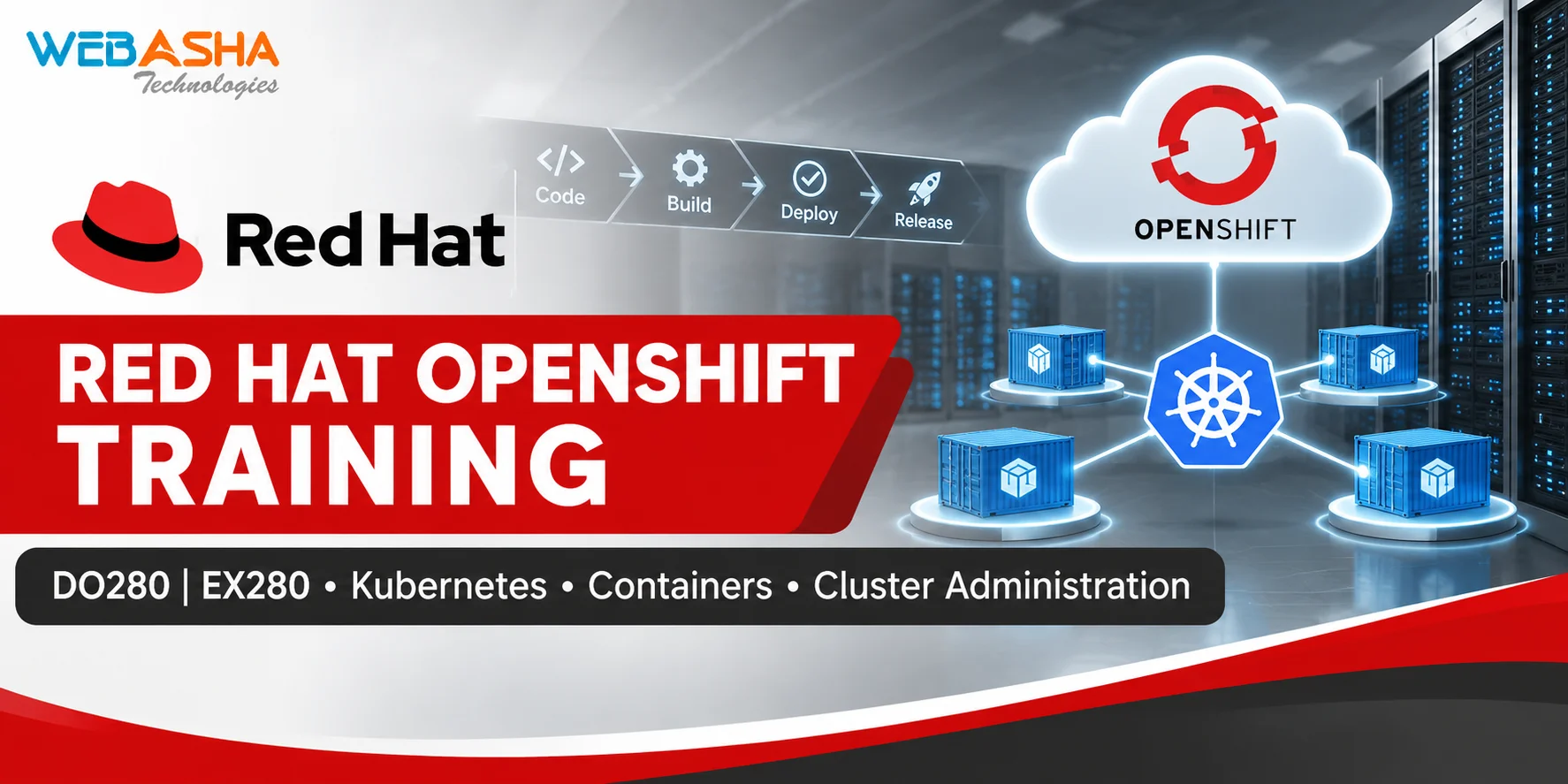
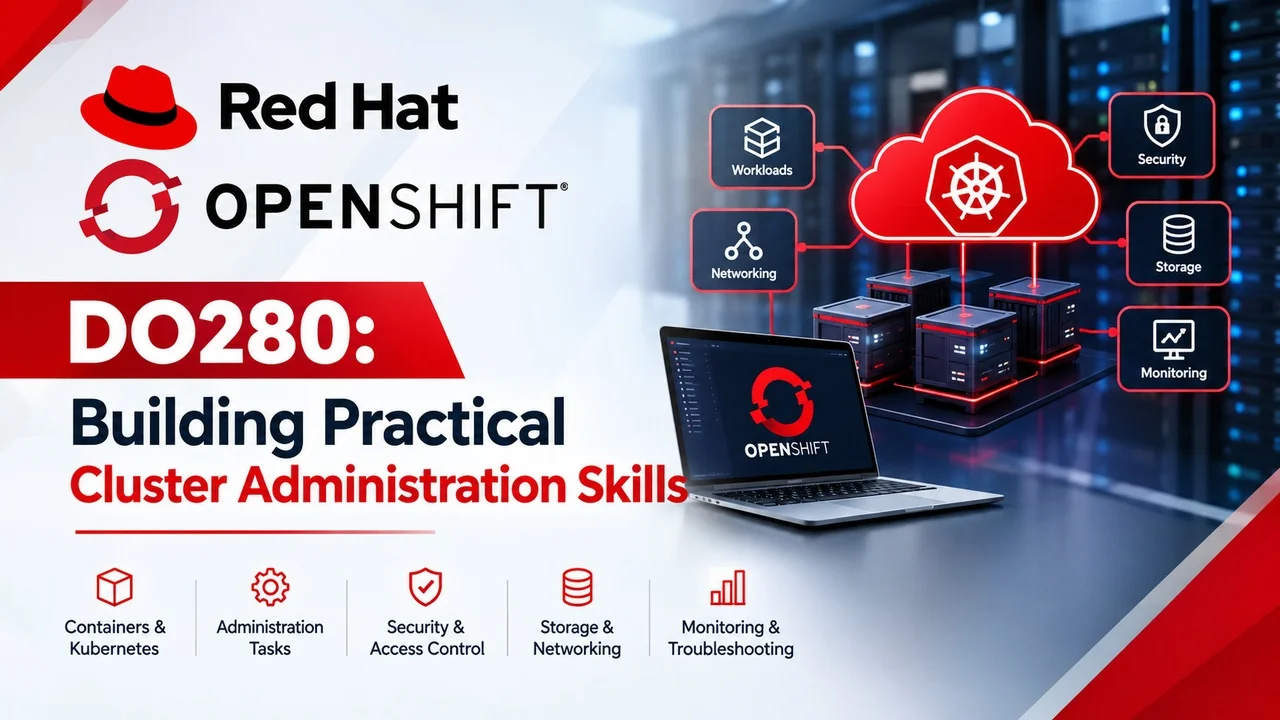
- Kubernetes and container technologies
- Artificial intelligence and machine learning
- Python and software development
- Data science and analytics
These learning areas support different career paths, from entry-level IT support to specialized technical and engineering roles.
Professional IT Training Programs
1. Linux and Red Hat Training
Linux is an important technology in enterprise infrastructure, cloud platforms and server administration. Learning Red Hat Enterprise Linux helps professionals understand system configuration, user management, storage, networking, security and automation.
Training paths such as RHCSA and RHCE help learners prepare for Red Hat certification examinations and develop practical Linux administration skills.
2. Cybersecurity and Ethical Hacking
Cybersecurity professionals help organizations protect systems, applications and networks against digital threats.
Important learning areas include network security, vulnerability assessment, penetration testing, ethical hacking, security monitoring and incident response.
Certification-oriented programs such as Certified Ethical Hacker (CEH) can help learners build a foundation in security concepts and practical assessment techniques.
3. Cloud Computing
Cloud computing has become an essential part of modern IT infrastructure. Organizations use cloud platforms to deploy applications, manage resources and scale services.
Cloud training can introduce learners to cloud architecture, virtual machines, networking, storage, identity management and infrastructure administration.
4. DevOps and Automation
DevOps combines development and IT operations practices to improve software delivery and infrastructure management.
Important technologies include Docker, Kubernetes, Jenkins, Ansible and CI/CD pipelines. Learning these tools helps professionals understand containerization, orchestration, configuration management and automated deployment.
5. Networking and Infrastructure
Networking knowledge is essential for managing enterprise connectivity and IT infrastructure.
Learners can develop skills in routing, switching, network troubleshooting, network security and infrastructure configuration through structured networking programs.
6. Artificial Intelligence and Data Science
Artificial intelligence, machine learning and data science are increasingly important across industries.
Training in these fields introduces learners to programming, data analysis, machine learning concepts, model development and practical applications of AI.
Why Hands-On IT Training Matters
Technical knowledge becomes more valuable when learners can apply it to practical situations. Hands-on training allows students to work with real or simulated environments, configure systems, solve technical problems and understand how tools operate.
A practical learning approach can include:
- Instructor-led sessions
- Practical laboratory exercises
- Real-world technical scenarios
- Assignments and projects
- Certification preparation
- Mock examinations
- Technical doubt-solving sessions
- Career guidance and interview preparation
Combining theory with practical exercises helps learners build confidence and develop skills relevant to workplace responsibilities.
Global IT Certifications and Career Development
Professional certifications can demonstrate knowledge in specific technology domains. Depending on the learner's career goals, certification preparation may focus on Linux, cloud computing, cybersecurity, networking or DevOps.
Examples include:
- RHCSA and RHCE for Red Hat Linux administration
- CEH for ethical hacking and cybersecurity
- AWS certifications for cloud computing
- CKA for Kubernetes administration
- Cisco certifications for networking
Choosing a certification should depend on existing experience, career objectives and the technical skills required for the target role.
Career Opportunities After IT Training
Developing practical IT skills can support career opportunities in several professional areas, including:
- Linux System Administrator
- Cloud Engineer
- Cybersecurity Analyst
- Ethical Hacker
- Network Engineer
- DevOps Engineer
- Kubernetes Administrator
- Python Developer
- Data Analyst
- IT Infrastructure Engineer
Continuous learning and practical experience are important for progressing in these roles.
Choosing the Right IT Training Institute
Before selecting a training program, learners should consider several factors:
- Course curriculum: Check whether the syllabus covers relevant technologies and current industry requirements.
- Trainer experience: Look for instructors with practical knowledge of the subject.
- Hands-on labs: Confirm that the course provides opportunities to practise technical skills.
- Certification preparation: Understand the examination objectives and preparation support.
- Learning flexibility: Compare online and classroom options, schedules and available learning resources.
- Career guidance: Review the mentoring, interview preparation and placement assistance offered.
Selecting a program based on these factors can help learners make informed decisions about their professional development.
Start Your IT Learning Journey with WebAsha Technologies
Whether you are beginning your IT career, preparing for a professional certification or upgrading your existing technical skills, structured training can help you move toward your goals.
WebAsha Technologies offers training opportunities across Linux, Red Hat, cybersecurity, cloud computing, DevOps, networking, AI and other technology domains.
Explore the official WebAsha Technologies website to discover available courses, certification programs and learning opportunities.
Conclusion
The IT industry offers diverse career opportunities, but developing relevant technical skills requires continuous learning and practical experience. Training in Linux, cybersecurity, cloud computing, DevOps, networking and emerging technologies can help learners build a strong foundation for professional growth.
With structured courses, practical learning and certification-focused preparation, WebAsha Technologies aims to help students and professionals strengthen their technical capabilities and pursue their IT career goals.