Sign up with Google
 Sign in with Zoho

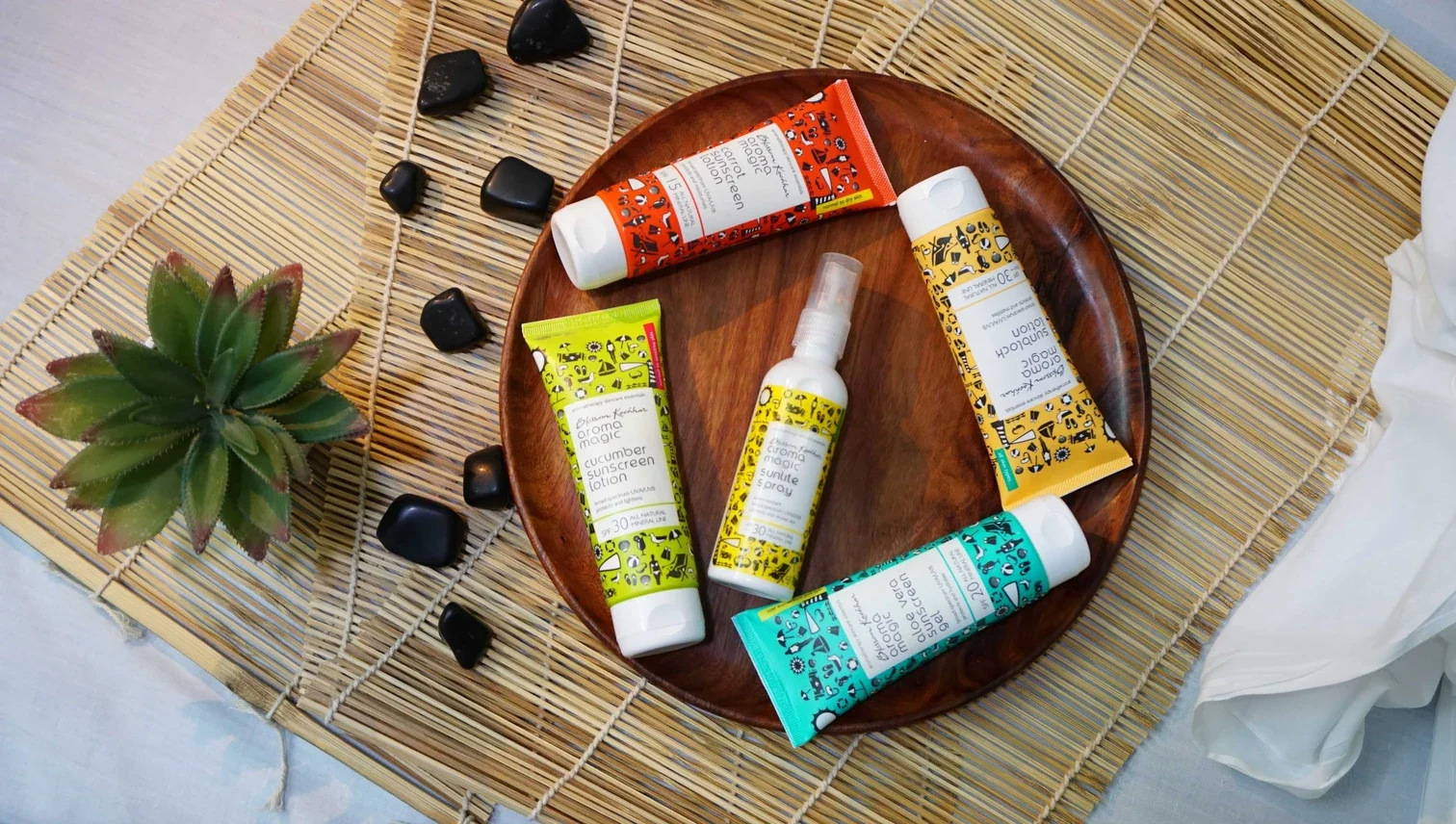
If your skin feels tight, flaky or easily irritated, choosing sunscreen can feel tricky. Should you pick SPF 30 or SPF 50? Will a higher SPF cause redness? And does a stronger formula dry your skin out further?
The short answer is this: for most people in India, SPF 50 is the better choice for outdoor days, while SPF 30 works well for indoor routines. However, for dry and sensitive skin, the ingredients and texture matter just as much as the number on the bottle. Let's break it down.
What Is the Difference Between SPF 30 and SPF 50?
SPF stands for Sun Protection Factor. It measures how well a sunscreen protects your skin from UVB rays, which cause sunburn and tanning.
Here is how they compare:
- SPF 30 blocks about 97% of UVB rays.
- SPF 50 blocks about 98% of UVB rays.
At first glance, the gap looks small. Yet that extra 1% means roughly one-third less UVB reaches your skin. For people who burn easily or spend long hours outdoors, this difference adds up over time.
Keep in mind that SPF only covers UVB. To protect against UVA rays, which cause ageing and pigmentation, look for "broad spectrum" on the label or a PA rating. A formula marked SPF 50 PA++++ offers the highest level of both UVB and UVA protection.
Is SPF 50 Too Harsh for Sensitive Skin?
This is a common worry, but it is mostly a myth. A higher SPF does not automatically mean a harsher sunscreen. Instead, irritation usually comes from specific ingredients, such as:
- Added fragrance or perfume
- Drying alcohols (often listed as alcohol denat.)
- Certain chemical filters, like oxybenzone, which can trigger reactions in some people
In other words, a gentle SPF 50 can feel calmer on your skin than a poorly formulated SPF 30. So rather than avoiding higher protection, focus on choosing a soothing formula.
SPF 30 or SPF 50 for Dry Skin: Which Works Better?
Dry skin lacks moisture and natural oils. As a result, it needs a sunscreen that protects and hydrates. Both SPF 30 and SPF 50 can work well, as long as the formula contains nourishing ingredients.
Look for these hydrating ingredients:
- Hyaluronic acid to draw moisture into the skin
- Glycerin to keep skin soft and supple
- Aloe vera to soothe and calm dryness
- Natural oils and butters, such as almond oil or shea butter, to lock in moisture
For dry skin, cream or lotion textures usually feel better than gels. Gels often contain alcohol for a quick-drying finish, which may leave dry skin feeling tight.
SPF 30 or SPF 50 for Sensitive Skin: What Should You Choose?
For sensitive skin, mineral sunscreens are often the safest option. These use zinc oxide or titanium dioxide. They sit on top of the skin and reflect UV rays, so they rarely cause stinging or redness.
When shopping for sunscreen for sensitive skin, check for:
- Fragrance-free or essential-oil-light formulas
- Mineral filters (zinc oxide or titanium dioxide)
- Calming botanicals, such as aloe vera, cucumber or chamomile
- "Non-comedogenic" and "dermatologically tested" claims
Before full use, always do a patch test. Apply a small amount behind your ear or on your inner arm and wait 24 hours. If there is no redness or itching, the product should be safe for your face.
Which Is Better for Indian Weather: SPF 30 or SPF 50?
India receives strong sunlight for most of the year. In many cities, the UV index regularly reaches "very high" or "extreme" levels, especially from March to June.
Therefore, here is a simple rule to follow:
If you want one sunscreen for every day, SPF 50 is the safer all-rounder. It gives you extra protection on days when your plans change unexpectedly.
How to Apply Sunscreen on Dry and Sensitive Skin
Even the best sunscreen fails if you apply it wrongly. Follow these steps for the best results:
- Cleanse gently. Use a mild, soap-free face wash.
- Moisturise first. Apply a light moisturiser and let it absorb for a minute.
- Use enough sunscreen. Follow the two-finger rule: squeeze sunscreen along two fingers for your face and neck.
- Apply 15 minutes before going out. This gives the formula time to settle.
- Reapply every two hours when outdoors, and straight after sweating or swimming.
Most people apply only half the amount they need. Consequently, an SPF 50 used sparingly may only give SPF 25-level protection.
Common Mistakes to Avoid
- Skipping sunscreen on cloudy days. Up to 80% of UV rays can pass through clouds.
- Relying on makeup with SPF. You rarely apply enough foundation to get the full SPF.
- Using expired sunscreen. Old formulas lose strength and may irritate skin.
- Forgetting the neck and ears. These areas tan and age quickly too.
Frequently Asked Questions
Can I use SPF 50 every day on sensitive skin?
Yes. A gentle, fragrance-free SPF 50 is safe for daily use on sensitive skin. Choose a mineral-based formula if you react easily.
Does SPF 50 dry out the skin?
Not by itself. Dryness usually comes from alcohol or mattifying agents in the formula. Pick a cream-based SPF 50 with hydrating ingredients.
Is SPF 30 enough for dry skin?
SPF 30 is enough for indoor days and short outdoor trips. For long hours in the sun, switch to SPF 50.
What does PA++++ mean on sunscreen?
PA++++ is the highest UVA protection rating. It helps prevent tanning, dark spots, and early signs of ageing.
The Final Verdict
So, SPF 30 or SPF 50 for dry and sensitive skin? For Indian weather and outdoor exposure, SPF 50 PA++++ offers stronger, more reliable protection. For indoor days, SPF 30 is perfectly fine. Above all, choose a formula that hydrates, soothes, and suits your skin, because the best sunscreen is the one you will happily wear every single day.
Explore our range of gentle, skin-loving sunscreens to find your perfect match.