Sign up with Google
 Sign in with Zoho

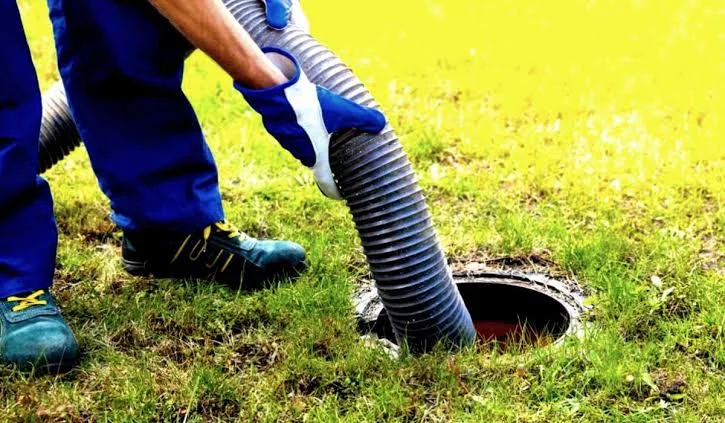
Rural homeowners rely on septic systems more than most people realize. This guide covers what you need to know about Septic Tank Cleaning in Flemington, from soil conditions to maintenance schedules, so your system keeps working without surprises.
Rural Properties Have Different Septic Needs Than Suburban Homes
If you live out on a few acres, your septic situation probably looks nothing like your neighbor’s in town. Bigger lots, deeper wells, sometimes older systems that were installed decades ago when regulations looked different. Rural homes often rely entirely on well water too, which means a failing septic system isn’t just inconvenient, it’s a genuine health risk if waste starts contaminating groundwater nearby.
Flemington’s rural stretches have a mix of soil types, some sandy, some clay heavy, and that actually matters a lot for how your septic system drains and performs. Homeowners who don’t know their soil type are kind of flying blind when it comes to maintenance timing. It’s worth asking your technician about this during your next cleaning, honestly.
Know Your System’s Age and Design Before Anything Else
Rural properties often inherit septic systems from previous owners, and a lot of people genuinely don’t know how old theirs is or what type it even is. Conventional tank and drain field, aerobic system, mound system, they all behave differently and need different maintenance schedules. Not knowing this upfront makes it harder to plan ahead.
Dig up any old permits or county records if you can, Hunterdon County usually keeps septic installation records on file. If you can’t find anything, a technician can usually estimate the age and type during your first service call. This information shapes everything else, how often you clean, what signs of trouble to watch for, all of it.
Distance From Your Well Matters More Than You’d Think
This one’s huge for rural homeowners specifically. Your septic system’s drain field needs to sit a safe distance from your well, usually at least 50 to 100 feet depending on local regulations, soil conditions, and water table depth. If that distance is too tight, even a well-maintained system can risk contaminating your drinking water over time.
If you’re not sure about your setup’s distances, it’s worth having someone come out and actually check. This isn’t something you want to guess on. Rural properties sometimes have older layouts that wouldn’t pass today’s standards, and knowing that early means you can plan for adjustments instead of discovering a problem through a bad water test.
Larger Properties Mean Harder Access for Service Trucks
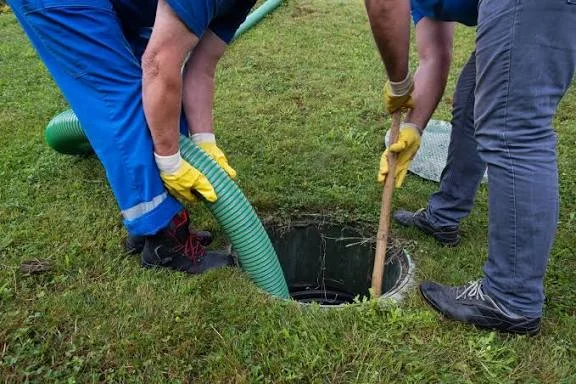
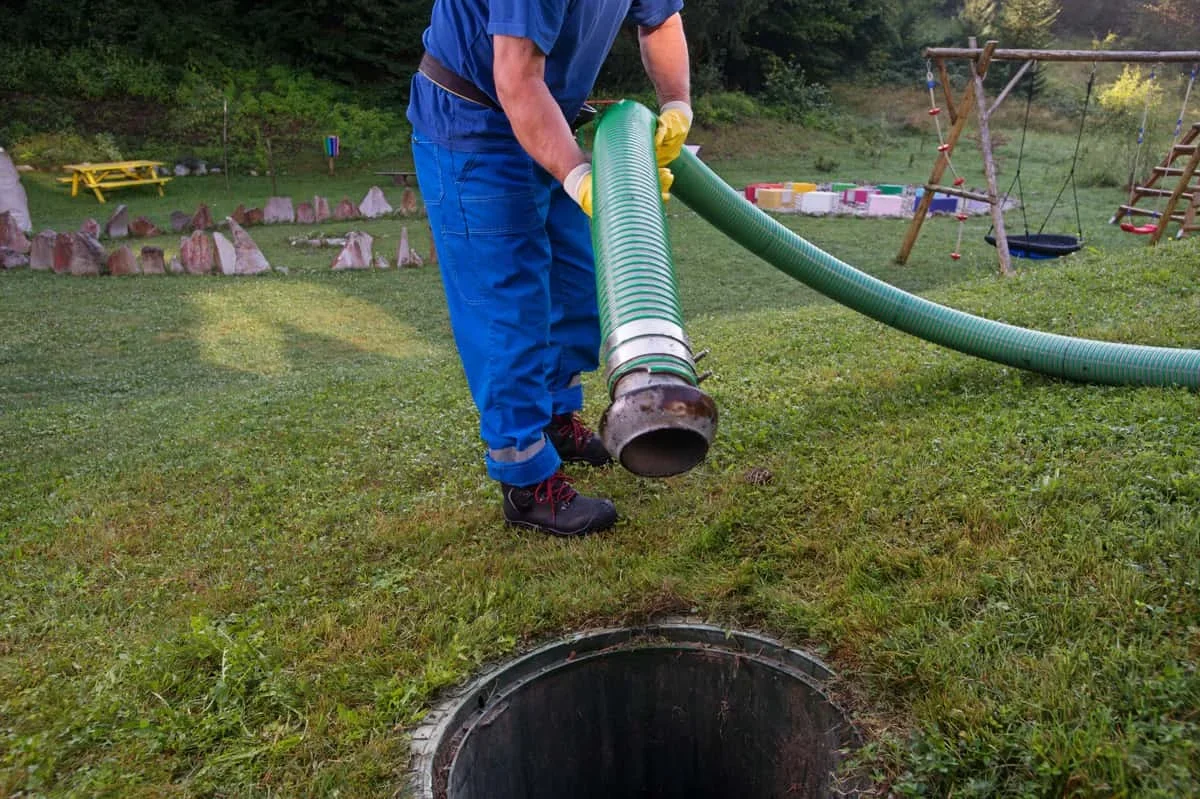
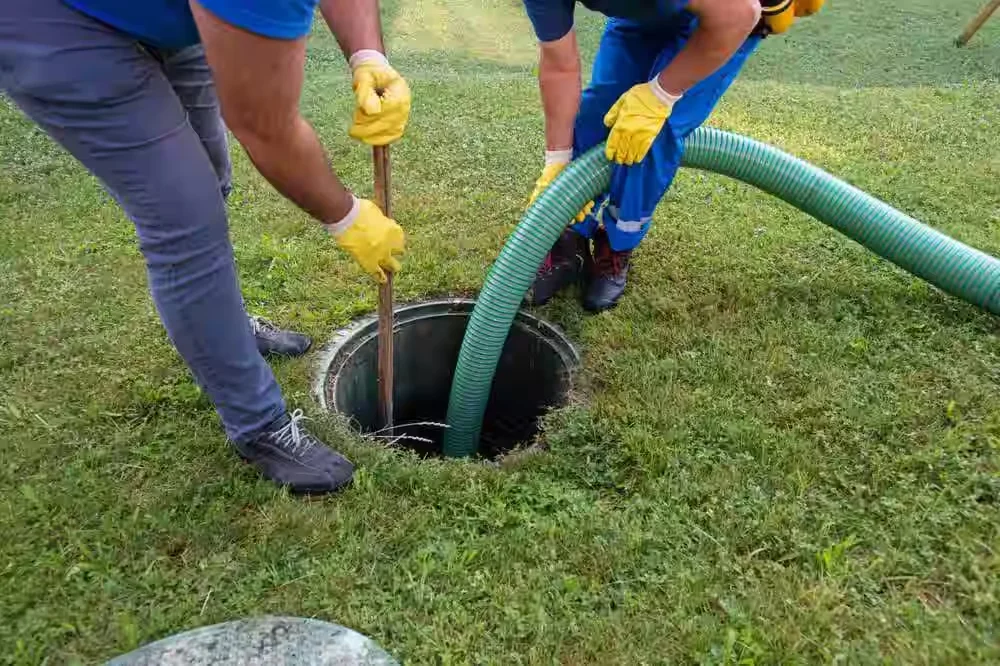
Here’s something suburban homeowners don’t really deal with, long gravel driveways, steep inclines, or soft ground that makes it tricky for pump trucks to get close to the tank. Rural homeowners need to think about this well before their appointment, not the morning of. If your driveway floods easily or turns to mud after rain, mention that when booking.
Some rural properties genuinely need extra hose length or a different truck setup entirely. It’s not a big deal if you flag it ahead of time, but it becomes a real problem if the crew shows up and simply can’t reach the tank. A five minute phone call beforehand saves a wasted trip and a rescheduling headache.
Livestock and Heavy Yard Use Can Affect Your System
If you’ve got animals on the property, chickens, horses, whatever, their waste runoff and the extra water use from caring for them can actually impact your septic system’s load over time. It’s not something most people connect with, but heavier water usage from livestock chores adds up fast and can shorten the time between necessary cleanings.
Also worth mentioning, don’t let animals graze or dig right over your drain field if you can avoid it. Heavy hooves compact the soil, and that messes with drainage efficiency. It sounds like a small thing but over years it genuinely changes how well your system breathes and processes waste.
Watch for Warning Signs Specific to Rural Setups
Slow drains and bad smells are the obvious ones, sure, but rural homeowners should also watch for soggy or unusually green patches over the drain field, even in dry weather. That’s often a sign the system’s struggling and pushing effluent too close to the surface. It’s easy to miss on a big property where you’re not looking at that patch of grass every day.
Another one, if well water starts tasting or smelling off, don’t brush it aside as just “old pipes.” Get it tested. Septic issues on rural properties can quietly affect water quality long before anything shows up inside the house, and by the time you notice indoors, the problem’s usually already been going for a while.
Scheduling Cleanings Around Seasonal Access
Flemington winters can make rural driveways rough to navigate, and spring thaw sometimes turns everything to mud for weeks. It’s smart to schedule your Septic Tank Cleaning in Flemington during a season when your property’s actually accessible, late spring through early fall tends to work best for most rural homes around here.
Don’t wait until the ground’s frozen solid or flooded to realize you need service done. Planning around seasons isn’t something suburban homeowners usually think about, but for rural properties it genuinely changes how smooth, or how miserable, the appointment ends up being.
Keep Detailed Records for Future Reference
This one’s simple but so many rural homeowners skip it. Keep a folder, physical or digital, with every cleaning date, any repairs done, and notes from the technician about the tank’s condition. Rural systems often get serviced less frequently just because it’s more effort to schedule, so good records matter even more here.
If you ever sell the property, these records become genuinely valuable too. Buyers want to see maintenance history, especially for septic systems on rural land where inspections can be trickier and more expensive. A simple paper trail now saves a lot of back and forth later.
Don’t Ignore Drain Field Health
The tank gets all the attention, but your drain field is honestly just as important, maybe more so on rural properties with more land involved. If the field becomes saturated or damaged, cleaning the tank alone won’t fix your problems. Rural homeowners sometimes assume pumping solves everything, but it doesn’t always.
Ask your technician specifically about drain field conditions during your appointment. They can usually tell from how the tank’s draining and from visual inspection whether the field’s working properly or showing early signs of strain. Catching this early is a lot cheaper than dealing with a full field replacement down the line.
Budget for Maintenance, Not Just Emergencies
Rural homeowners sometimes treat septic maintenance as an occasional expense rather than a routine one, and that mindset usually backfires. Routine cleaning every three to five years is way cheaper than waiting for a full system failure, which on a rural property with a larger system can get expensive fast, we’re talking thousands rather than hundreds.
Set aside a little each year for this, treat it like property tax or insurance. It’s not exciting to budget for, nobody loves thinking about their septic tank, but it genuinely saves money and stress compared to scrambling when something finally breaks down unexpectedly.
Conclusion
Owning a rural property means taking septic maintenance a bit more seriously than you might in town. Bigger systems, trickier access, closer ties to your well water, it all adds up to needing a more hands on approach. Knowing your system’s age, watching for warning signs, and scheduling around seasonal access all make a real difference over time.
And don’t ignore small issues hoping they’ll sort themselves out. Catching problems early, whether that means a routine cleaning or eventually needing septic system repair, is always cheaper and less stressful than waiting for a full failure. A little attention now keeps your rural property running smoothly for years to come.