Sign up with Google
 Sign in with Zoho

Hair thinning does not always announce itself.
There is usually no dramatic moment when you suddenly realise that your hair has become thinner. More often, you notice little things.
Your old hair tie seems to wrap around your ponytail more easily. Your parting looks slightly different in certain light. Your hairdresser mentions that your hair feels finer. Or you wash your hair and think, “I don't remember seeing this much hair before.”
Then comes the obvious question: Why is this happening?
Unfortunately, there isn't one answer.
Hair density can change for many reasons, and sometimes more than one factor is involved. That is why jumping from one hair oil to another is not always the best place to start.
Start by Looking at the Change, Not Just the Hair in Your Brush
Seeing hair in your comb can be worrying, but shedding alone does not tell you whether your hair is actually becoming thinner.
Hair naturally goes through different stages of growth and shedding. Losing some strands is part of that process.
What matters more is whether there has been a noticeable change in your overall density.
Maybe your ponytail used to feel substantial and now feels much smaller. Perhaps your centre part is becoming easier to see. Maybe your hair no longer seems to hold the same volume after washing.
Those changes give you more useful information than counting individual strands.
There is another possibility too: breakage.
If your hair is regularly exposed to straighteners, curling tools, bleaching, colouring, tight hairstyles, or rough brushing, the strands can snap. Your hair may then look thinner simply because it is not retaining as much length.
Before Buying Another Product, Think Back a Few Months
This is something people often overlook.
We tend to look for a cause that happened yesterday.
But your hair may not work on that timetable.
Think about the previous few months. Was there a particularly stressful period? Did you sleep badly for weeks? Were you unwell? Did you change your eating habits? Did you start a restrictive diet? Did your normal routine completely change?
These things do not prove what caused your hair changes, but they are useful clues.
Hair is not separate from the rest of your body. What happens to you can sometimes show up in your hair later.
Your Meals Matter More Than Another Hair Mask
Hair care tends to focus heavily on what we apply externally.
Oil this. Mask that. Try another serum.
But the body also needs the right building blocks to maintain hair.
Protein is important because hair is largely made from keratin. Iron, zinc, vitamin B12, vitamin D and other nutrients can also be relevant, particularly when someone has a deficiency.
That does not mean every person with thinning hair should start taking supplements.
In fact, taking supplements without knowing whether you need them is not a good habit.
Instead, look at your everyday food. Are you eating enough protein? Are your meals varied? Have you been skipping meals? Have you recently removed several food groups from your diet?
If you think you may have a nutritional deficiency, getting appropriate professional advice is a much better option than guessing.
Sometimes Hormones Are the Missing Piece
Hair can change when hormones change.
Pregnancy is one obvious example. Some women also notice changes during the months after childbirth. Perimenopause and menopause can bring their own changes, and certain thyroid or hormonal conditions may affect the hair-growth cycle.
This is why copying somebody else's hair routine is not necessarily going to produce the same result for you.
If thinning is accompanied by other changes in your health, it makes sense to look beyond cosmetics.
An oil can make your hair feel nicer. It cannot diagnose a hormonal problem.
Family Photos Can Sometimes Tell You More Than a Product Review
If you have noticed gradual thinning, look at your family history.
Does your mother have a similar pattern? Did your grandmother experience noticeable thinning? Are there other relatives with the same type of change?
Genetics can influence hair density and the way thinning develops.
This type of thinning may happen so gradually that you spend years assuming your shampoo is the problem.
Knowing that genetics may be involved does not mean you should give up on hair care. It simply helps you set realistic expectations.
Your Everyday Styling Habits Deserve an Honest Look
You do not need to throw away your straightener or stop styling your hair altogether.
But it is worth asking how much stress your hair experiences every week.
A tight ponytail every day. Frequent straightening. Bleaching. Pulling a brush through wet hair. Repeatedly tugging at knots.
One occasion is unlikely to tell you much. Repeated damage is another matter.
If your hair is breaking, try making a few practical changes:
- Use less heat when possible.
- Avoid hairstyles that constantly pull on the same areas.
- Detangle gently instead of forcing a brush through knots.
- Be particularly careful when the hair is wet.
- Give chemically treated hair extra attention.
You may not notice a difference after one week. The point is to reduce repeated damage over time.
Don't Forget the Scalp
Your hair gets most of the attention because it is visible.
Your scalp is where everything starts.
If it is constantly itchy, irritated, excessively dry, or uncomfortable, your routine may need reconsideration.
At the same time, there is no need to scrub aggressively just because you think a “cleaner” scalp must be a healthier one.
Find a cleansing routine that keeps your scalp comfortable without making it feel stripped.
If you have persistent scalp symptoms, that is another situation where professional advice may be more appropriate than experimenting with home remedies.
How Do You Know Whether the Hair Is Actually Getting Thinner?
Don't judge it from one bad hair day.
Humidity can change the way your hair looks. Different hairstyles can make your part appear wider or narrower. Lighting can make your scalp look more visible.
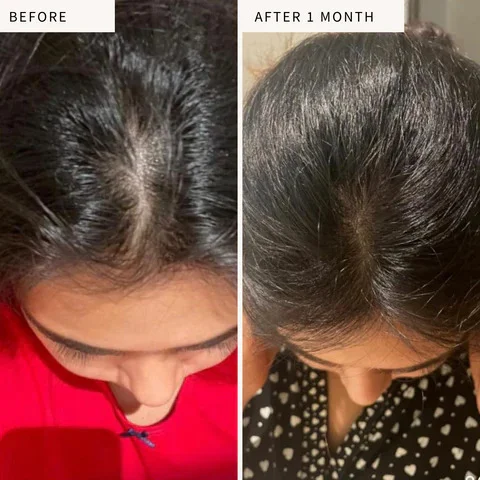
Instead, take a photograph every few months.
Keep the lighting and angle reasonably similar.
Then compare the pictures rather than relying on memory.
You can also pay attention to everyday changes:
- Is your ponytail noticeably smaller?
- Does your hair have less volume?
- Are individual strands becoming finer?
- Is your part gradually becoming wider?
- Are you seeing more breakage?
- Is your scalp more visible than before?
Looking for a pattern is more useful than worrying about every strand that falls.
What About Natural Hair Care?
Natural ingredients can certainly be part of a sensible routine.
But there is a difference between supporting your hair and treating the reason it is thinning.
For example, regular oiling may help dry hair feel softer and more manageable. A gentle pre-wash massage can also make hair care feel like a proper routine rather than something you remember once every few weeks.
For those looking for broader information on excessive shedding, the Hair Fall Master Guide provides additional information about common hair-fall concerns and natural care approaches.
Is Hair Oil Worth Including?
It can be, particularly if your hair tends to feel dry or rough.
The key is not to expect too much from it.
A hair oil can condition the hair and make it feel smoother. It can be a useful part of a pre-wash routine.
But if your thinning is caused by genetics, hormonal changes, nutritional problems, or another underlying issue, increasing the amount of oil you use will not necessarily solve that cause.
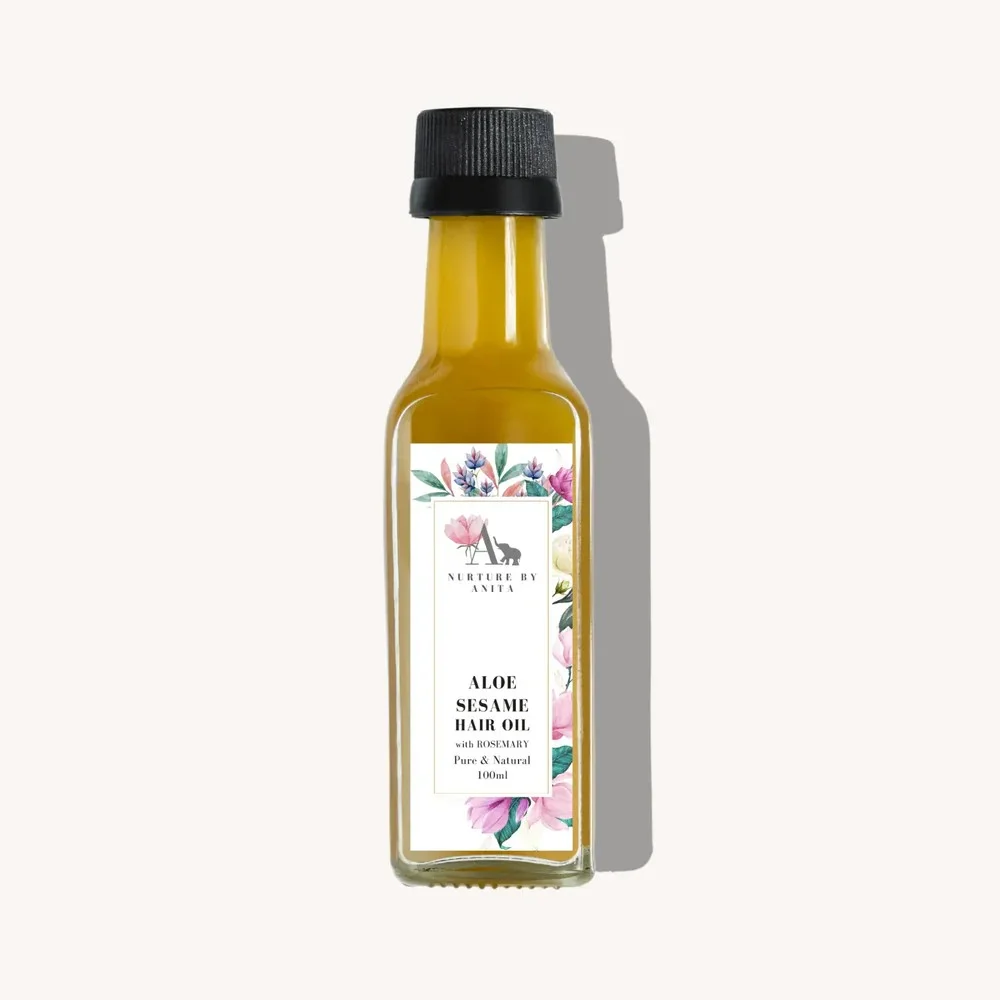
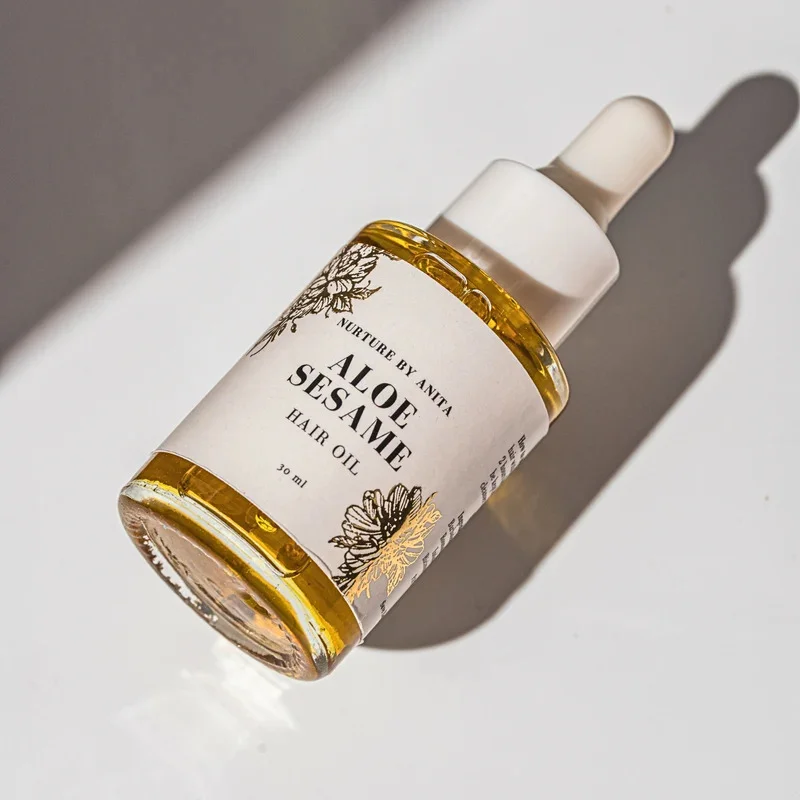
For people who prefer botanical products, Hibiscus & AloeSesame Hair Oils can be explored as part of an alternating hair-care routine.
The important part is finding a routine you can actually maintain.
Don't Change Five Things at Once
This is one of the most practical pieces of advice when dealing with hair concerns.
If you start a new shampoo, a new oil, a new mask and a new supplement at the same time, what happens if your hair improves?
You won't know what made the difference.
And if your scalp becomes irritated?
You won't know which product caused it.
Keep things simple. Make one change at a time where practical, and give your routine enough time to evaluate how your hair responds.
When Hair Thinning Needs More Than a New Hair Product
There is a point where experimenting at home stops being useful.
If you notice sudden heavy shedding, bald patches, rapid loss of density, persistent scalp irritation, or continuing unexplained hair loss, consider speaking with a qualified healthcare professional.
The goal is not to become frightened by normal shedding.
It is to recognise when the pattern is unusual enough to deserve proper attention.
One Last Thing to Remember
Hair thinning can make you feel as though your hair is suddenly “going wrong.”
Often, it is more complicated than that.
Your hair reflects many things: genetics, age, hormones, nutrition, lifestyle, styling habits and overall health. Sometimes the reason is temporary. Sometimes it needs a closer look.
So instead of immediately searching for the strongest oil or the most expensive treatment, start with observation.
What changed?
When did you first notice it?
Is the problem shedding, breakage, or genuine loss of density?
Are there changes in your diet, stress, health or hormones?
Those questions can take you much closer to the right solution.
A gentle routine, sensible botanical hair care and good everyday habits can all have a place. But when thinning continues, understanding the underlying reason should come before adding another product to the bathroom shelf.