Sign up with Google
 Sign in with Zoho

Hair that feels thinner than it used to can be worrying, and it is natural to look for a gentle, plant-based option before trying anything stronger. Many people in India turn to traditional oils first, and rosemary has become one of the most talked-about herbs in that conversation. But with so many bottles on the shelf, it can be hard to know what a good formula should contain and how to use it. This guide, from Nurture By Anita, explains how a rosemary-based blend fits into a hair care routine, what its ingredients bring to the table, and how to set realistic expectations.
Why Rosemary Is Popular in Hair Care
Rosemary has a long history in herbal hair care, and it is often valued for its fresh, herbal scent as well as its place in scalp routines. People use it in oils and rinses because it is easy to massage into the scalp and works well as part of a regular ritual. For many, the appeal is less about overnight change and more about a calm, consistent habit that gives the scalp care and attention.
What Makes a Good Hair Growth Oil
A good oil for hair growth should be judged by its ingredient list, the way it is made and whether the brand explains its purpose clearly. Be wary of any product that promises dramatic results in a few days. Hair grows slowly, and any change in density or strength takes weeks of steady use to notice. Look for clear ingredient names, a texture you enjoy and a size that lets you try the product before committing to a large bottle.
Inside the Rosemary Bhringraj and Mustard Blend
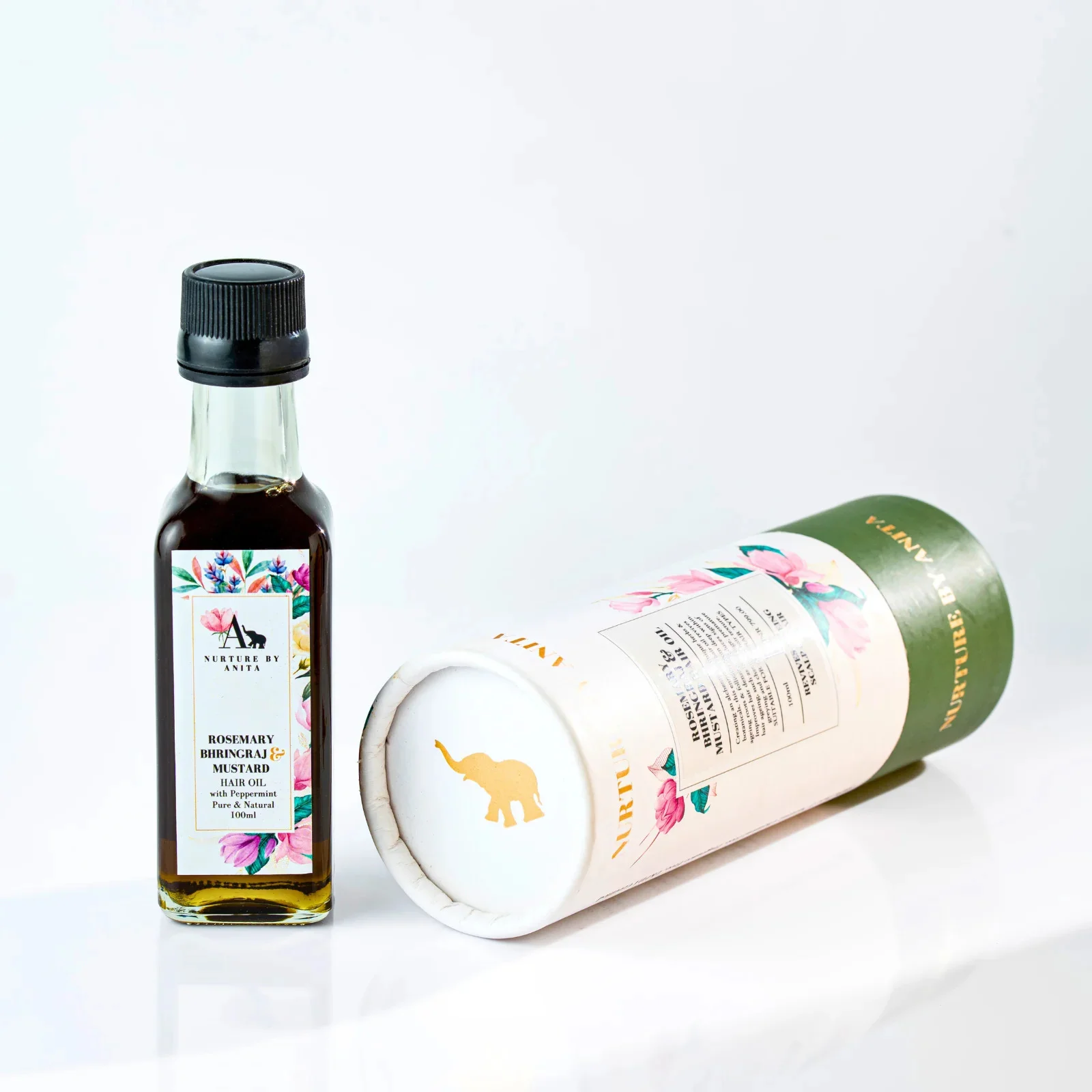
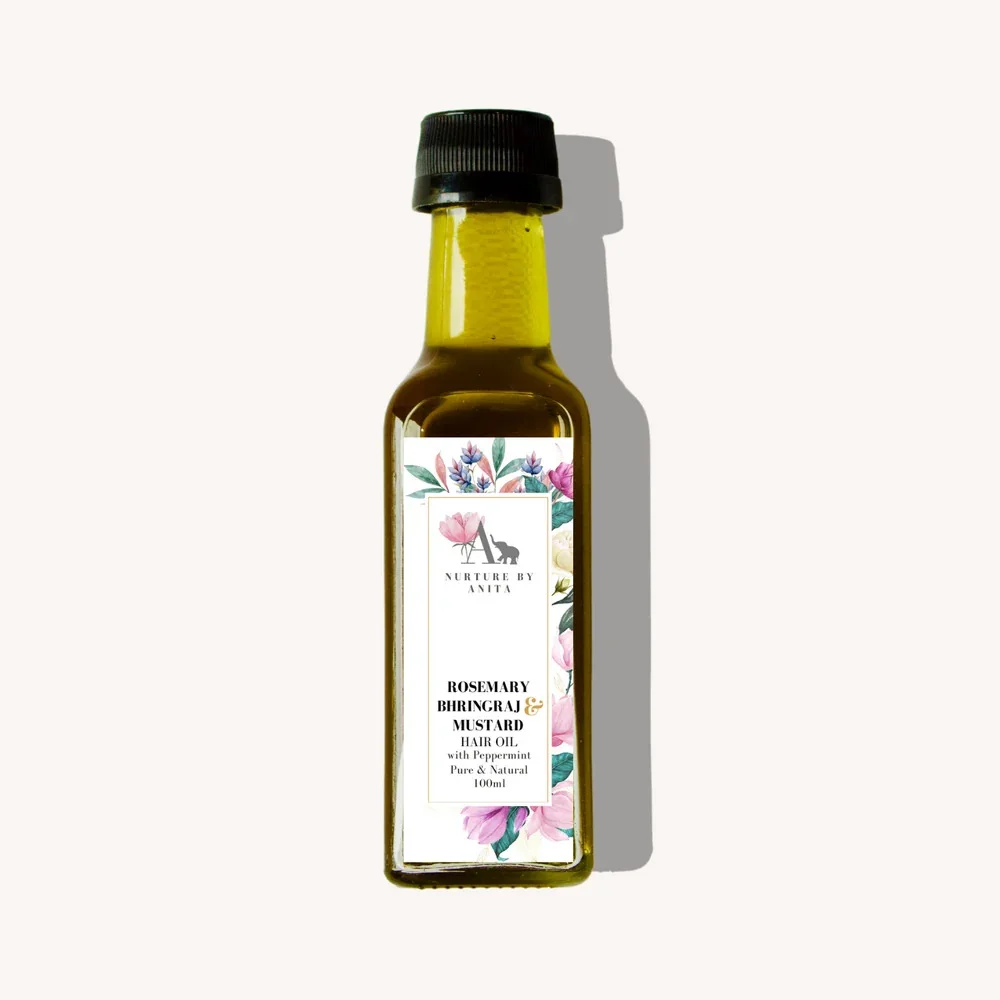
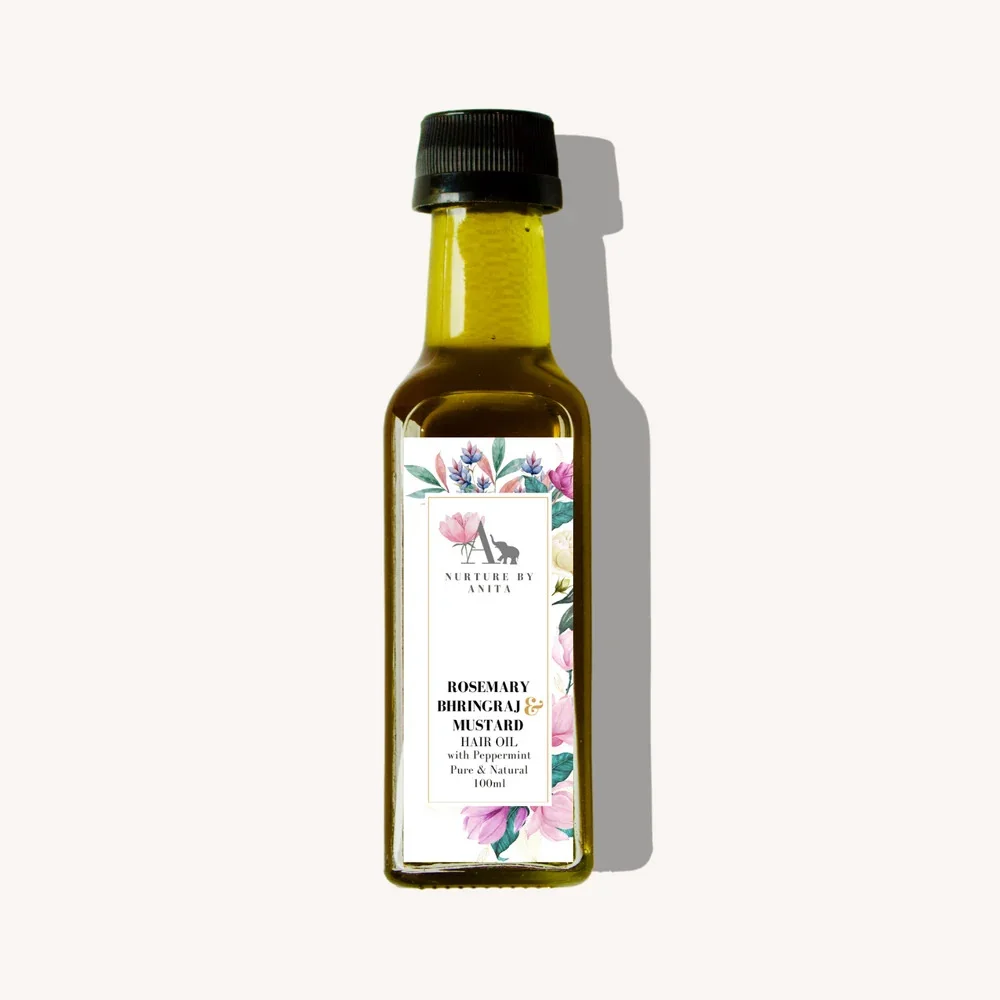
The Rosemary Bhringraj and Mustard Hair Oil from Nurture By Anita combines several traditional herbs. Rosemary is the headline ingredient, joined by bhringraj, which is widely known in Indian hair care, and mustard, which gives the oil its warming feel on the scalp. The blend also includes Jatamansi, Brahmi, fenugreek, aloe vera, ashwagandha, neem, peppermint and natural camphor.
According to the product page, the oil is slow-cured over several months, and most of its botanicals are grown on the brand’s own farms in small seasonal batches. These details matter because they show how much care goes into the raw material, even though no single ingredient can promise a specific result on its own.
Who This Oil May Suit
The product is described as suitable for hair that feels thin, weak or prone to breakage at the roots. It is also positioned for people noticing an overall drop in density, premature greying or changes after pregnancy. The brand says it works for all hair types and is suitable for adults and children.
Hair loss can have many causes, including stress, nutrition, hormones and genetics. If your hair loss is sudden, heavy or long-lasting, speak with a doctor or dermatologist before relying on any oil alone.
How to Use Rosemary Hair Oil Step by Step
A simple routine helps you stay consistent. Part your hair into sections and apply the oil directly to the scalp with your fingertips. Massage gently in slow circles for a few minutes, then work the remaining oil through the lengths and ends where hair feels dry. Leave it on for at least two to three hours for better absorption, or longer if that fits your day. Wash with your usual shampoo and conditioner afterwards.
Many people use this kind of oil twice a week. Choosing a fixed day, such as Sunday before a wash, makes it easier to stick with the habit.
Where Bhringraj Fits In
Bhringraj is one of the herbs most often mentioned alongside hair growth in Ayurvedic tradition. People who search for a bhringraj hair oil for hair growth usually want to know whether the herb is actually part of the formula. In this blend, bhringraj sits alongside rosemary and mustard, so the oil offers a combination of herbs rather than a single ingredient on its own. Combined herbal blends are common in traditional hair care because each ingredient is meant to support a different part of the routine.
Understanding Ayurvedic Hair Care
If you are new to an ayurvedic hair growth oil, the core idea is that regular oiling, gentle handling and herbs chosen for their traditional uses work together. Ayurveda focuses on the scalp, the roots and the overall balance of care rather than only the surface of the hair. Oil massage is a central part of that approach, and many people find it relaxing as well as useful.
This does not replace medical advice. Think of an ayurvedic oil as one part of a larger habit that also includes a balanced diet, adequate sleep, gentle washing and fewer harsh styling tools.
Setting Realistic Expectations
Patience is the most important part of any hair care plan. Most people wait at least six to eight weeks of regular use before judging results, and it helps to take photos in the same light every few weeks. Grey strands that have already formed may not return to their original colour, though new growth can look different over time. Keep notes on how often you oil your hair, how it feels after washing and whether you notice less shedding in the shower or on your comb.
Tips for Getting the Most From Your Oil
Start with a smaller size if you are unsure about the texture or scent. Store the oil in a cool place away from direct sunlight. Avoid applying it to broken skin, and do a small patch test if you have sensitive skin. Keep your routine simple and realistic, since a steady habit that you can maintain for months will do more than an intense routine you abandon after two weeks.
Final Thoughts
If you are looking for a gentle, traditional option, rosemary hair oil for hair growth is worth understanding before you buy. The Rosemary Bhringraj and Mustard Hair Oil from Nurture By Anita brings together rosemary, bhringraj and other herbs in an ayurvedic hair growth oil designed for thin, weak and ageing hair. Read the ingredients, follow a steady routine for several weeks and keep your expectations realistic. If shedding is sudden or severe, consult a professional. With patience and consistency, a simple oil ritual can become a calming part of your hair care routine.