Sign up with Google
 Sign in with Zoho

Dark spots can make skin look uneven, and many people feel tempted to try every product they see online. However, a calm and informed approach usually works better. If you are thinking about a face oil for dark spots, it helps to know what an oil can and cannot do. This guide explains how to choose one, how to use it and which habits matter just as much. Brands such as Nurture By Anita share this view: simple routines and honest expectations work best.
Quick Answer
Choose a lightweight, plant-based oil with a clear ingredient list. Patch test it first. Then use two or three drops in the evening, and wear sunscreen every day. Above all, be patient, because uneven skin tone changes slowly.
Why Dark Spots Appear
Dark spots, often called hyperpigmentation, form when skin makes extra pigment in one area. Common triggers include sun exposure, old acne marks, hormonal changes and skin irritation.
Because the causes differ, no single product works for everyone. For example, spots from sun damage behave differently from marks left by acne. Therefore, understanding your own triggers is the first step.
What an Oil Can and Cannot Do
A face oil is mainly a moisturising and sealing step. It helps skin feel soft, supple and well cared for. Healthy, hydrated skin often looks fresher and more even.
However, an oil is not a medical treatment. Results vary from person to person, and pigmentation usually changes slowly. Be wary of any product that promises to erase dark spots quickly. Instead, think of an oil as supportive care within a wider routine.
How to Choose a Face Oil for Dark Spots
Choosing well comes down to a few simple checks.
- Read the ingredient list. Short lists with plant-based oils you recognise are easier to understand.
- Check the texture. Lightweight oils absorb quickly, while richer ones suit dry skin.
- Look at fragrance. If your skin reacts easily, choose a formula with fewer added fragrances.
- Be careful with strong actives. Irritated skin can sometimes darken marks, so gentle formulas are safer.
- Check how it is made. Brands that explain their sourcing and process give you more to go on.
- Patch test first. Apply a small amount on the inner arm and wait a day.
Understanding Labels Like “Clarifying”
You may see the phrase clarifying face oil on some products. It usually points to a lightweight blend meant for skin that looks dull or congested. However, it is a marketing term, not a medical one.
Therefore, do not rely on the word alone. Read the ingredients, check the texture and see how your skin responds. Similarly, a face oil for glowing skin aims at softness and radiance. That is a different goal from treating pigmentation, so keep your expectations clear.
Match the Oil to Your Skin Type
- Dry skin: Richer oils feel comfortable. Two or three drops are usually enough.
- Oily or combination skin: Choose a light oil and start with one or two drops, a few nights a week.
- Sensitive skin: Pick a simple formula, patch test it and add it slowly.
- Acne-prone skin: Ask a dermatologist first. Stop using any oil that leaves your skin feeling congested.
How to Use a Face Oil Step by Step
- First, cleanse your face with a gentle cleanser and pat it partly dry.
- Next, apply any serum or moisturiser you normally use.
- Then, warm two or three drops between your palms.
- After that, press the oil into your cheeks, forehead and neck.
- Finally, massage lightly in upward strokes for about a minute.
Most people prefer the evening, since there is no makeup to work around. In the morning, use a very small amount and follow with sunscreen.
Common Myths to Skip
“More oil gives faster results.” Not true. Extra oil often makes skin feel heavy.
“Natural means safe for everyone.” Plant-based products can still irritate some skin, so a patch test matters.
“A clarifying face oil clears dark spots overnight.” No oil does this. Pigmentation fades slowly, and often takes months.
Daily Habits That Matter More Than Any Product
Sun protection is the most important step. Use a broad-spectrum sunscreen every day, and reapply it when you are outdoors. Without it, spots can darken again.
Other habits help too:
- Do not pick or scratch spots or pimples.
- Cleanse gently, and avoid harsh scrubs.
- Skip kitchen remedies such as raw lemon juice, since they can irritate skin and increase sun sensitivity.
- Sleep well, drink enough water and eat a balanced diet.
A Closer Look at Lemon Rose Face Oil
Nurture By Anita is a botanical hair and skincare brand based in Chandigarh. It grows its own botanicals and makes its products in small batches, following an Ayurvedic-inspired approach.
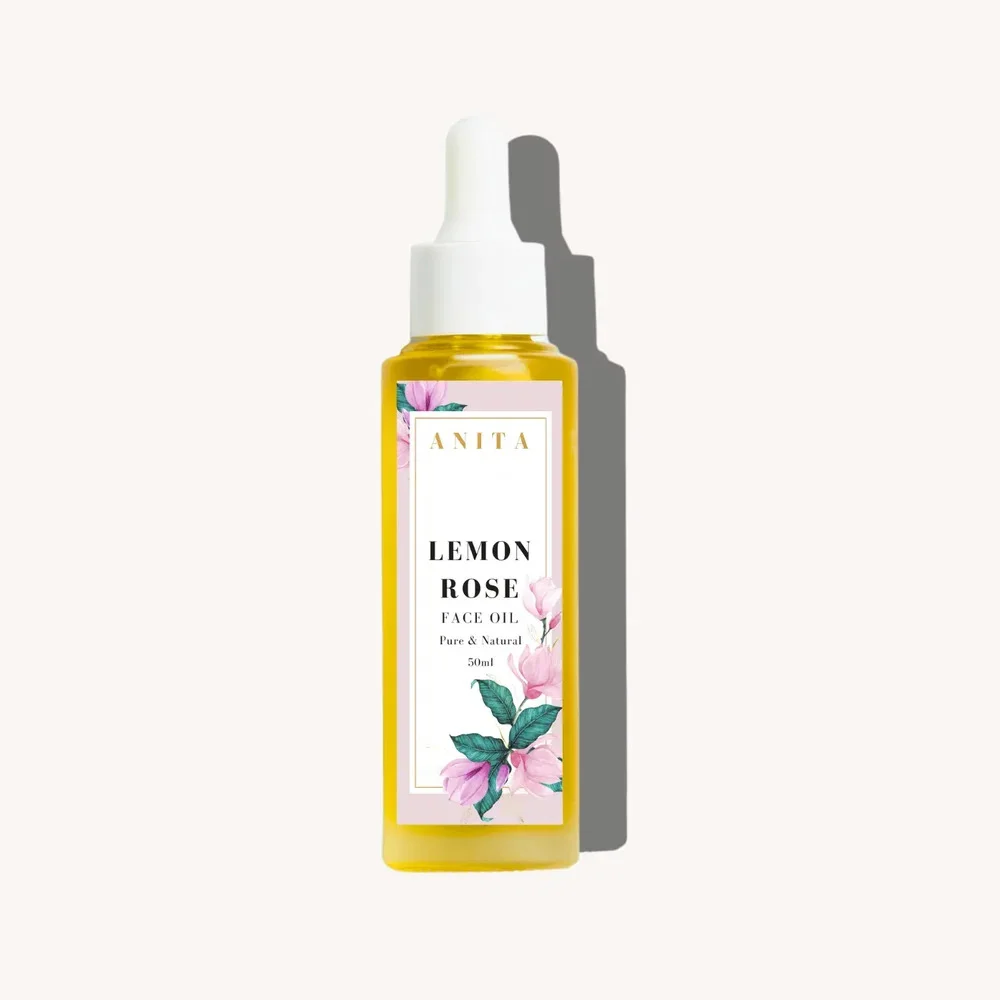
Its Lemon Rose Face Oil is cold-pressed and slow-cured from Damask Rose, Lemon Leaf, Grapeseed and Marigold. The brand calls it a clarifying face oil, and it also describes it as its bestselling face oil for glowing skin.
According to the brand, Lemon Leaf and Marigold are included to target pigmentation and uneven skin tone over time. Damask Rose is used to soothe and restore radiance, while Grapeseed keeps the texture light. The brand also describes the oil as non-comedogenic and suitable for all skin types, including sensitive and acne-prone skin.
Even so, every skin is different. Do a patch test first, use it consistently and give your skin time. Results vary from person to person.
When to See a Dermatologist
Get a professional check if a spot is new, changes shape or colour, itches or bleeds. Persistent pigmentation also benefits from expert advice, because the right treatment depends on the cause.
Anyone with a skin condition, allergy or ongoing treatment should speak to a doctor before adding a new product.
Conclusion
Even-looking skin comes from steady, gentle care rather than quick fixes. A well-chosen face oil for dark spots can support that care by keeping skin soft and comfortable. Even so, sunscreen and patience do most of the work. Therefore, read labels, patch test and keep your expectations realistic. Nurture By Anita encourages people to build simple routines and let their skin change at its own pace.