Sign up with Google
 Sign in with Zoho

The best natural oil depends on why your hair is frizzy. If your hair is dry and rough, richer oils such as sesame or coconut help most. If frizz appears mainly in humid weather, a light oil like argan or almond on the ends works better. If frizz comes from heat or colour damage, gentle, regular pre-wash oiling is the safest start. Identify your frizz type first, and the right oil becomes much easier to pick.
Why Do Most Oil Recommendations Disappoint?
Ask ten people for the best oil and you will hear ten different names. That is not because people are wrong. It is because frizz has different causes, and one oil cannot answer them all. A thick oil that rescues coarse, brittle hair can leave fine hair limp, while a feather-light oil that calms humid frizz may do little for hair that is truly parched.
So instead of starting with a product, start with a question: what is actually making my hair frizzy? The four patterns below cover most people.
Type 1: Dry, Rough Frizz
How to spot it: Hair feels straw-like and rough even on dry, cool days. Ends look dull and tangle easily.
What it needs: Deep, steady moisture and something to soften the strand.
Natural oils to try: Sesame or coconut for the lengths, with a little castor oil blended in for very brittle ends.
How to use: Warm a small amount, massage it into the scalp, smooth the rest through the lengths and leave it on for an hour or more before a mild wash. This is the situation where an oil for frizzy and rough hair earns its place.
Type 2: Humidity Frizz
How to spot it: Hair looks fine at home, then puffs up outdoors during humid weather or the pre-monsoon weeks.
What it needs: A smoother surface that resists swelling, without heaviness.
Natural oils to try: Argan or almond, in drops, on damp or dry ends.
How to use: Rub two drops between your palms and glide them over the ends, not the roots. A pre-wash session once or twice a week keeps the base moisturised. Too much oil will attract dust and flatten the hair.
Type 3: Damage Frizz
How to spot it: Frizz follows heat styling, colouring or chemical treatment. Ends look frayed and the hair snaps easily.
What it needs: Gentle protection and fewer stressors, since oil cannot rebuild a broken strand.
Natural oils to try: Coconut or a light herbal blend before washing, plus a drop of argan on the ends afterwards.
How to use: Oil before every wash, use lukewarm water and trim ends every two to three months. If you are searching for the best hair oil for dry frizzy hair in India because of heat damage, remember that trims and gentler habits matter as much as the bottle.
Type 4: Flyaway Frizz
How to spot it: Fine, static strands rise around the crown and hairline, especially in winter.
What it needs: Light moisture and less friction.
Natural oils to try: Almond or jojoba, in tiny amounts.
How to use: Warm a single drop and smooth it over the surface lightly. Use a soft cloth instead of a rough towel and avoid brushing hair when it is very dry.
Many people have more than one type. If so, treat the dominant one first and add small adjustments for the rest.
What About India's Climate?
Climate nudges the choice. Northern winters, such as in Chandigarh, are dry and favour richer oils. Humid coastal weather and the monsoon favour lighter ones. Because of this, a single hair oil for dry and frizzy hair may suit you in one season and feel heavy in another, so adjust the amount and type rather than abandoning oil altogether.
A Simple Test Before You Commit
Patch-test a new oil on a small area of skin before using it on your scalp. Then start with one or two sessions a week for two weeks. If your scalp stays comfortable and your hair feels softer rather than coated, increase to two or three sessions a week. If it feels greasy, itchy or heavy, reduce the amount or switch to a lighter oil.
What Can Oil Realistically Do?
Oil softens, smooths and protects, and many people notice softer hair within a few weeks. It cannot repair split ends, which need trimming, and it will not stop hair fall caused by nutrition, stress or health issues. If hair loss is sudden, heavy or patchy, consult a doctor or trichologist.
Where Nurture by Anita Fits In
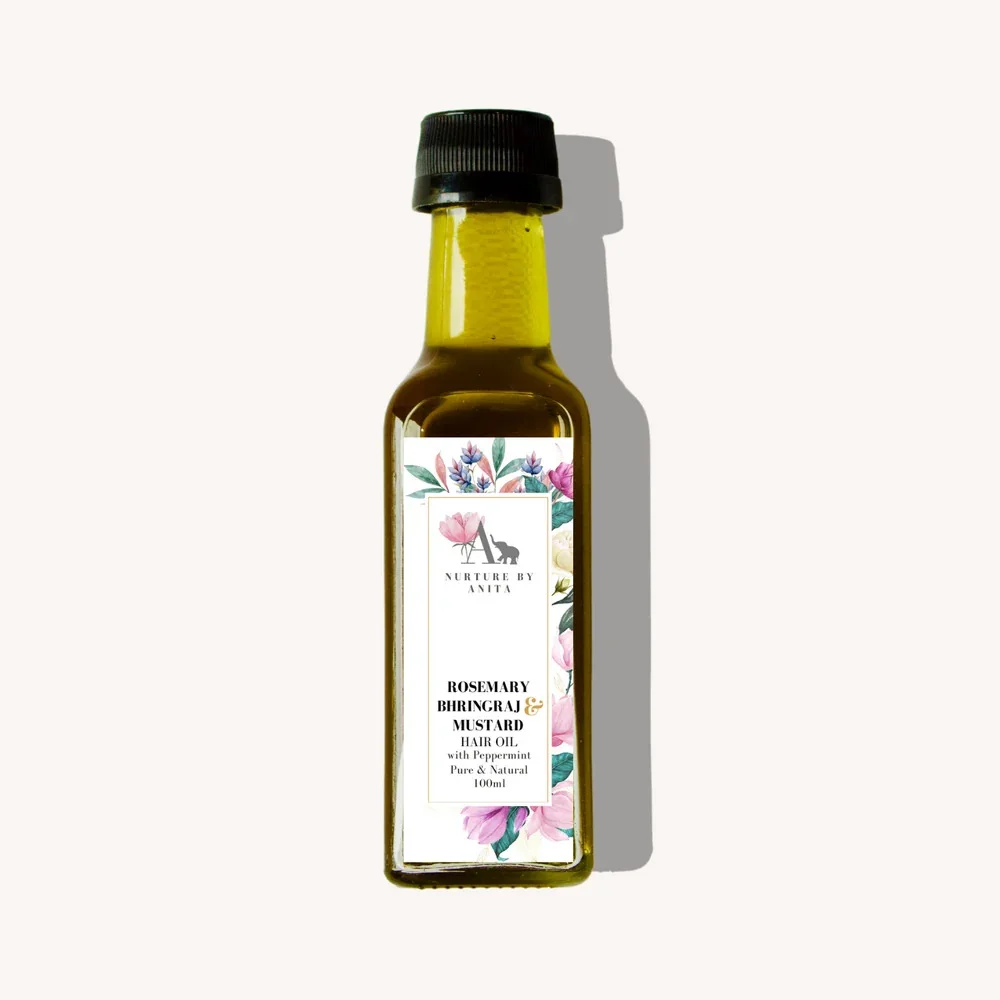
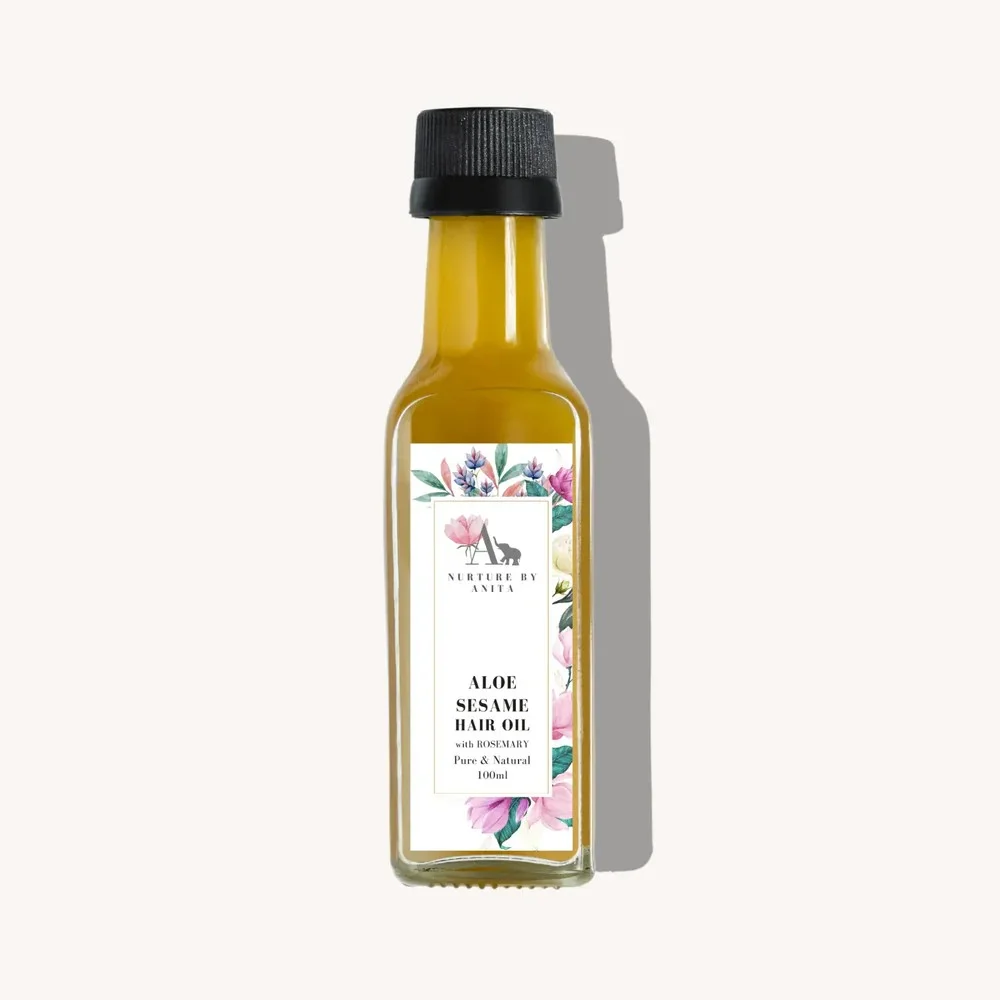
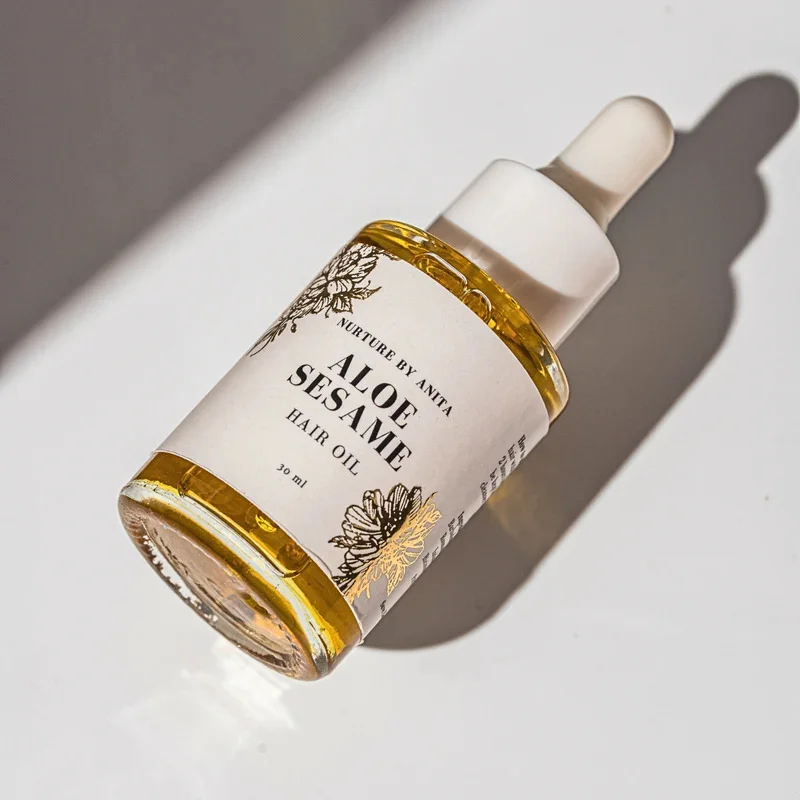
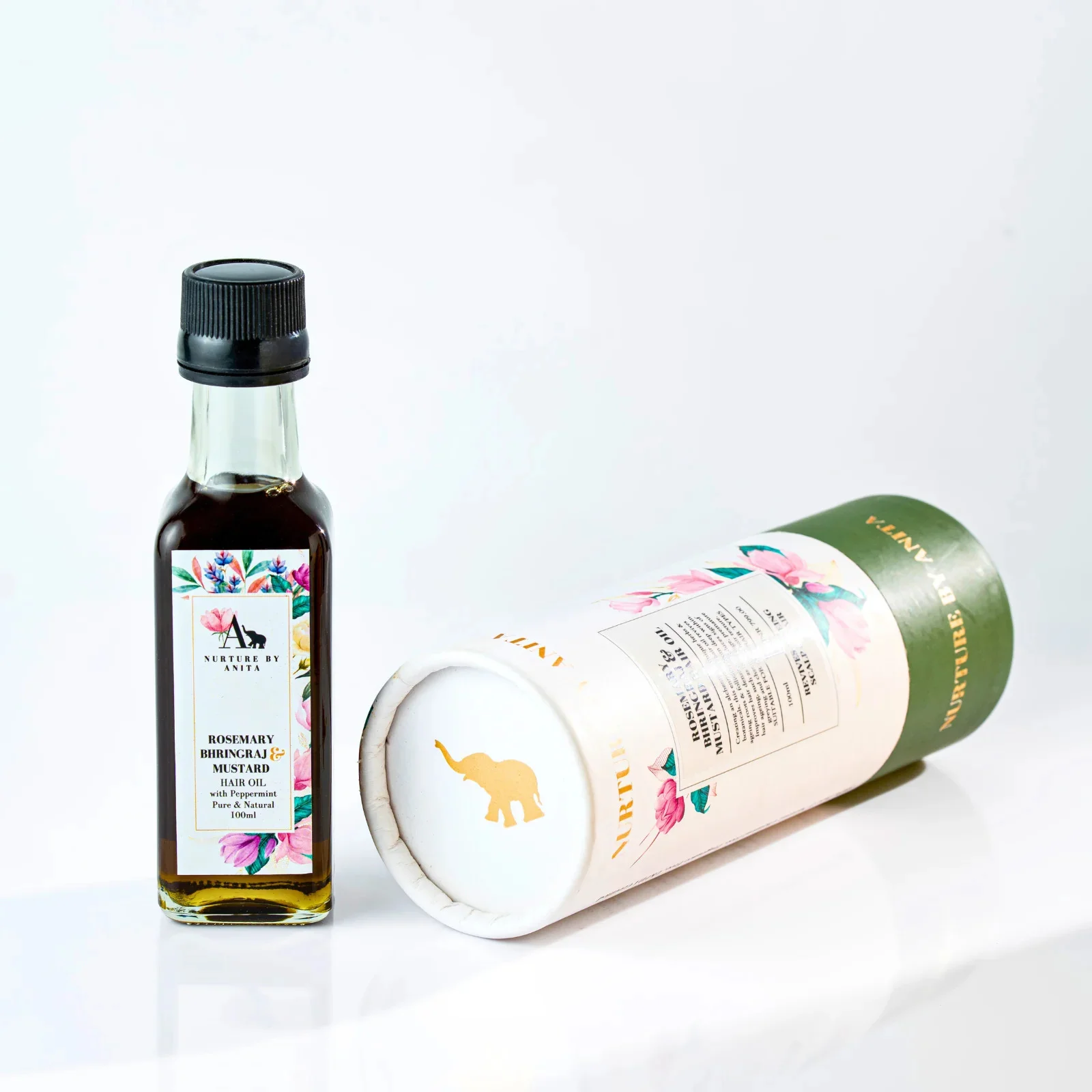
Nurture by Anita creates plant-based hair oils inspired by traditional Indian wellness, built around gentle, consistent care. The brand's view is that the right routine starts with understanding your hair, not chasing a single famous oil.
Final Thoughts
The "best" oil is the one that matches your frizz type, your climate and your patience. Work out why your hair is frizzy, choose a suitable natural oil, use it lightly and consistently, and keep the rest of your routine gentle.
Frequently Asked Questions
What is the best natural oil for dry and frizzy hair? It depends on the cause. Sesame or coconut suit dry, rough hair, while argan or almond suit humidity frizz and flyaways.
How do I know my frizz type? Notice when frizz appears. Dry and rough all year suggests moisture loss, puffing in humid weather suggests humidity frizz, and frayed ends after styling suggest damage.
Can I use two oils together? Yes. Many people blend a richer oil with a lighter one. Patch-test any new mix first.
How often should I use hair oil for frizz? Two or three times a week suits most people. Use less if your scalp turns greasy or itchy.
Should I oil before or after washing? Before washing is generally best. A drop of light oil on the ends afterwards is also fine.
How long does it take to see a difference? Many people notice softer, smoother hair within a few weeks of regular use.
Can oil fix split ends? No. It can smooth and protect them, but only a trim removes split ends.