Sign up with Google
 Sign in with Zoho

Choosing a hair oil sounds simple until you start looking at the options. Some oils are made for dry hair, others focus on the scalp, and many contain a long list of herbs and plant-based ingredients. Instead of choosing a product because it makes the biggest promise, it is better to start with your own hair and scalp needs.
An ayurvedic hair growth oil can be a useful part of a regular hair-care routine, particularly if you prefer botanical ingredients. However, oiling should be viewed as supportive hair care rather than a guaranteed solution for hair loss.
For women and men in Chandigarh, the right choice can depend on scalp type, hair texture, lifestyle, and the reason behind the hair concern.
Start by Understanding Your Hair Problem
Before buying an oil, spend a little time figuring out what you are actually trying to improve.
Is your hair breaking when you comb it? Does the scalp feel dry? Are you noticing more strands than usual in the shower? Or does your hair simply look dull and rough?
These problems can look similar but are not necessarily caused by the same thing.
Hair breakage, for example, can be related to dryness, repeated heat styling, chemical treatments, rough brushing, or tight hairstyles. Excessive shedding from the root can have a wider range of causes, including stress, illness, hormonal changes, nutritional problems, genetics, and some scalp conditions.
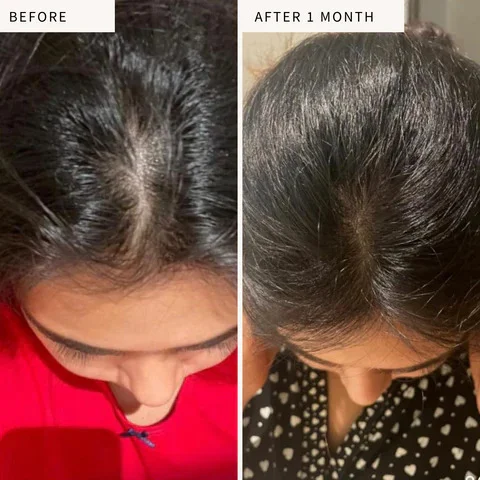
An oil may help with conditioning and manageability, but it cannot address every cause of hair loss. Knowing the difference can prevent unrealistic expectations.
Check Your Scalp Before Choosing an Oil
Your scalp is part of the equation, too.
Someone with a dry scalp may prefer a richer oil, while a person whose scalp becomes oily quickly may be more comfortable with a lighter formulation. If you frequently experience itching, redness, heavy flaking, or irritation, simply adding more oil may not be the answer.
Think about how your scalp feels one or two days after washing.
If it already feels greasy, a heavy oiling routine may be unnecessary. If it feels tight or dry, a suitable oil may fit more comfortably into your pre-wash routine.
There is no single oil that suits everyone.
Read the Ingredient List Carefully
The front label tells you what a company wants you to notice. The ingredient list tells you what is actually in the product.
When choosing an ayurvedic hair growth oil, look at the carrier oils, botanical ingredients, essential oils, fragrance, and other components in the formulation.
Common carrier oils include coconut, sesame, almond, and castor oil. Botanical formulations may also include ingredients such as hibiscus, amla, neem, or rosemary.
That does not mean every ingredient will produce hair growth. Many are included because of their traditional use or conditioning properties.
It is also worth checking whether the product contains ingredients you already know your scalp does not tolerate.
Why the Base Oil Matters
The carrier oil forms an important part of a hair oil's feel.
Coconut oil, for example, is widely used in hair care and can help with the feel and manageability of dry hair. Sesame oil is another traditional choice, particularly in Indian hair-care practices.
Castor oil is considerably thicker, so some people prefer it blended with lighter oils rather than used heavily on its own.
The best choice is not necessarily the thickest or most expensive formula. You want something that feels comfortable, spreads easily, and does not make washing your hair unnecessarily difficult.
Black Sesame as a Botanical Option
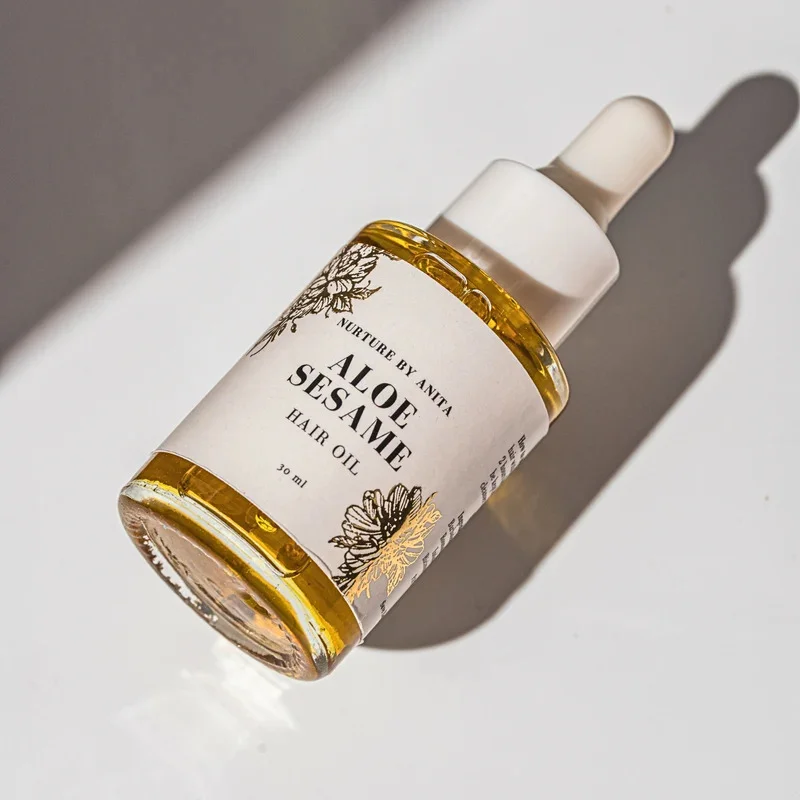
Black sesame hair oil is worth considering if you enjoy traditional, plant-focused hair care.
Sesame-based oils contain fatty acids and are commonly used to condition skin and hair. In a hair-care routine, they can help hair feel softer and less dry.
For someone with coarse or dry-feeling hair, that conditioning effect may be more noticeable than any supposed “growth” benefit.
This is an important distinction when shopping. A product can make hair feel smoother and easier to manage without being a proven treatment for a medical cause of hair loss.
So rather than choosing an oil because it promises dramatic regrowth, look at what the formulation realistically offers.
Hibiscus and Traditional Indian Hair Care
Hibiscus has been used in Indian beauty routines for a long time and remains a popular botanical ingredient in modern hair oils.
A hibiscus hair oil can be an appealing option for people who prefer plant-based formulations as part of their regular pre-wash routine.
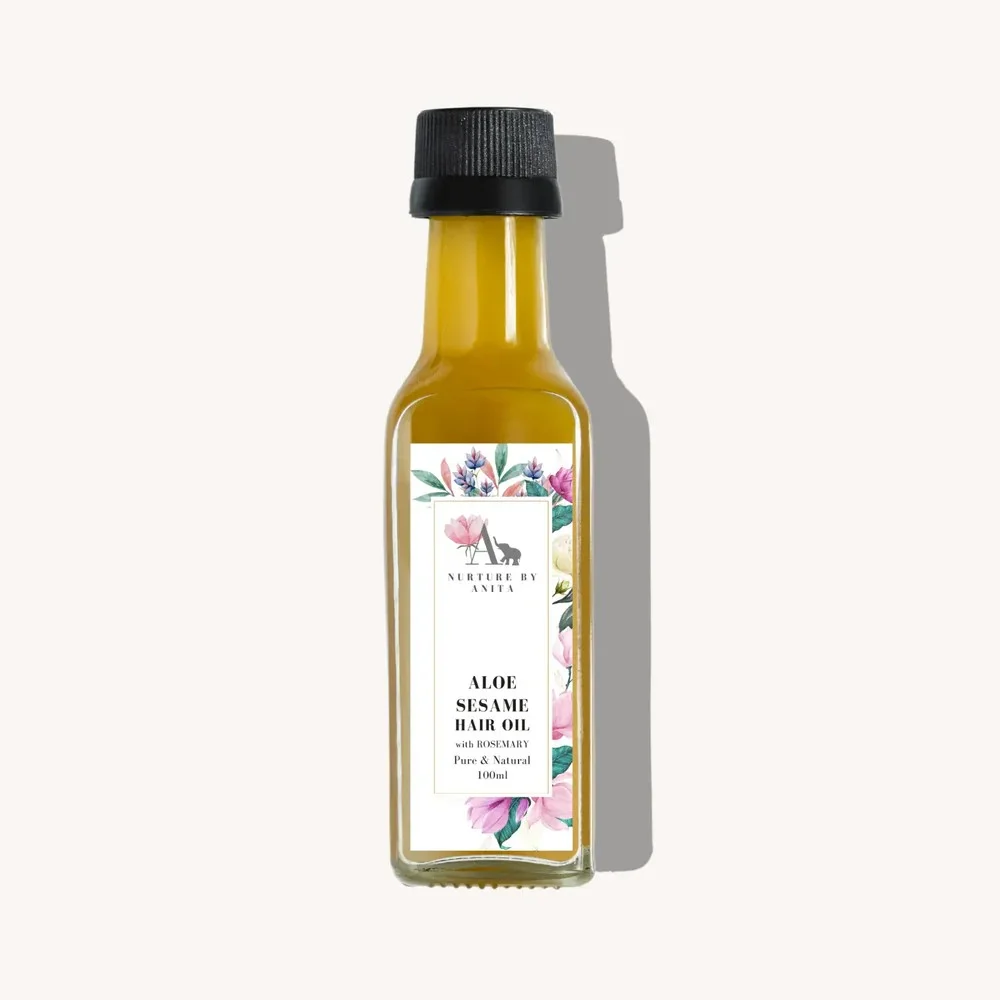
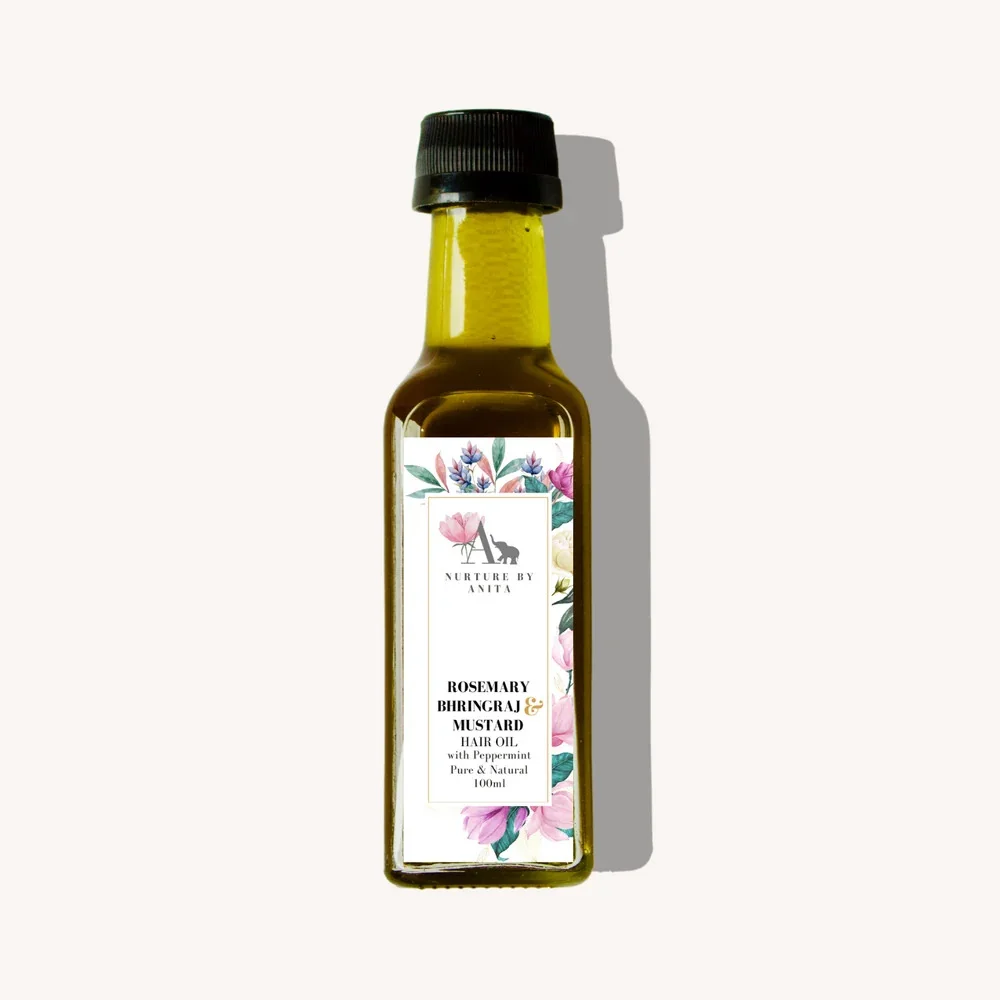
Nurture By Anita takes a botanical approach to hair care and uses hibiscus along with ingredients such as neem, amla, castor, and coconut in its hibiscus hair oil formulation.
For people in Chandigarh who prefer botanical products, this kind of formulation can be considered based on individual hair and scalp needs. The important thing is to look at the complete formula rather than assuming that one botanical ingredient can solve every hair concern.
What About Rosemary?
Rosemary is another ingredient frequently discussed in connection with hair growth.
There has been some research into topical rosemary preparations and hair growth, but the available evidence is still limited compared with established medical treatments for certain types of hair loss.
If you choose a product containing rosemary essential oil, pay attention to how it has been formulated. Concentrated essential oils should not simply be poured directly onto the scalp.
A properly formulated product is generally easier to use than trying to create an overly concentrated mixture at home.
How Much Oil Do You Actually Need?
This is where many people go wrong.
More oil does not mean better hair care.
Apply enough to lightly cover the scalp and hair where needed. You do not need to soak your head until the oil is dripping.
A simple pre-wash routine can be:
- Divide the hair into sections.
- Apply a small amount of oil.
- Use your fingertips to massage gently.
- Leave it for a few hours if that suits your routine.
- Wash your hair thoroughly afterward.
Avoid vigorous scratching or hard massage. Gentle application is enough.
If your hair feels excessively greasy after washing, reduce the amount next time.
How Often Should You Oil?
There is no magic number.
Once or twice a week may work well for some people, while others may prefer oiling less frequently. Your scalp condition and hair texture should guide the decision.
Someone with dry, coarse hair may enjoy regular pre-wash oiling. Someone with an oily scalp may find that occasional application is more comfortable.
Your routine can also change with the season. Chandigarh's winter weather may leave some people's hair feeling drier, while warmer months can make a heavy oil feel less comfortable.
Pay attention to your own response instead of following a rigid schedule.
Don't Forget the Rest of Your Hair Routine
A good oil cannot compensate for damaging habits.
Try to limit frequent high-heat styling and avoid repeatedly tying the hair very tightly. Use a gentle approach when detangling, particularly when your hair is wet.
Washing your scalp properly is important as well. Leaving large amounts of oil on the scalp for extended periods is not necessary for everyone.
Nutrition also plays a role in normal hair growth. A balanced diet that provides adequate protein and essential nutrients supports the body's normal functions. If you suspect a deficiency, professional advice is preferable to taking supplements randomly.
Natural Does Not Automatically Mean Suitable
The word “natural” can create the impression that an ingredient cannot cause a reaction. That is not always true.
Botanical ingredients and essential oils can still irritate sensitive skin.
If you are trying a new product, consider testing a small amount on a limited area first. Stop using it if you develop significant irritation, burning, redness, or discomfort.
People with an existing scalp condition should be particularly careful about experimenting with multiple products at once.
When Oil Is Not Enough
One of the most important things to remember is that persistent hair loss deserves attention.
If you suddenly notice large amounts of shedding, bald patches, significant thinning, or scalp symptoms, do not keep switching between hair oils and hope the problem disappears.
A dermatologist can help determine whether the issue is related to pattern hair loss, a scalp condition, nutritional factors, hormonal changes, or another cause.
Finding the reason for the hair loss is often more useful than searching for a stronger product.
A Simple Way to Compare Products
When you are looking at two or three oils, ask yourself:
Does the ingredient list suit my scalp?
Is the texture appropriate for my hair?
Does the product make realistic claims?
Can I comfortably use it as part of my routine?
Am I choosing it for my actual concern or simply because the packaging promises fast growth?
These questions can make product selection much easier.
For Nurture By Anita, botanical ingredients are part of a broader approach to everyday hair care. The same principle applies when comparing any brand: focus on the formulation, your own needs, and realistic expectations rather than choosing solely on marketing language.
Final Thoughts
Choosing the right hair oil becomes easier when you stop looking for one product that promises to do everything. Start with your scalp, understand your main concern, check the formulation, and choose something you can use comfortably and consistently.
Botanical ingredients can have a useful place in everyday hair care, but realistic expectations matter. An ayurvedic hair growth oil should be considered one part of a broader routine that includes gentle handling, suitable cleansing, balanced nutrition, and attention to changes in the scalp and hair.
If noticeable hair loss continues, finding the underlying cause should come before simply trying another oil.
Frequently Asked Questions
How do I choose an Ayurvedic hair oil for my hair type?
Start with your scalp and hair condition. Dry or coarse hair may suit a richer oil, while an oily scalp may be more comfortable with a lighter formulation.
Is black sesame hair oil suitable for everyday use?
It can be included in a regular hair-care routine, but daily use is not necessary for everyone. Start with occasional pre-wash application and adjust according to how your hair and scalp respond.
Can hibiscus hair oil help with hair fall?
Hibiscus is commonly used in traditional hair care, but an oil should not be considered a guaranteed treatment for hair loss. Persistent shedding can have causes that require professional evaluation.
How long should I leave hair oil on?
A few hours before washing can be sufficient for a typical pre-wash routine. Leaving it overnight is not automatically better and may not suit every scalp.
Can hair oil regrow thinning hair?
That depends on the cause of the thinning. Hair oils may help condition the hair and support a regular care routine, but they cannot be expected to treat every type of hair loss.