Sign up with Google
 Sign in with Zoho

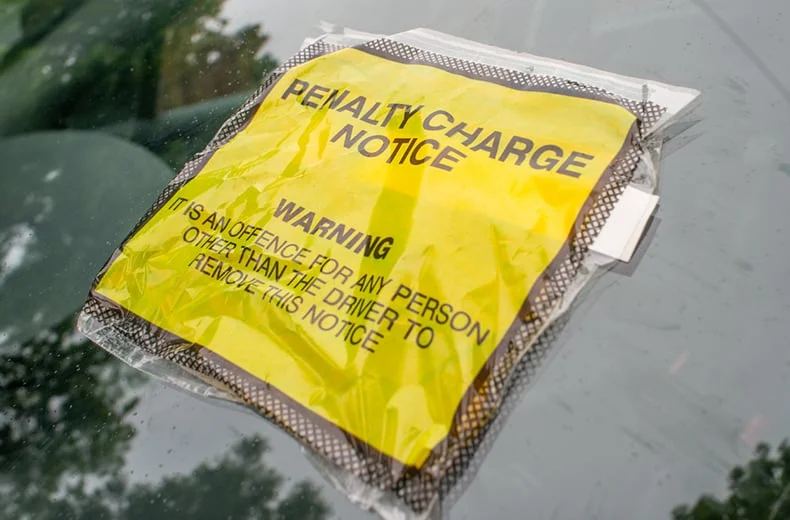
Parking fines are a common issue for drivers, but not every fine is issued correctly. In many situations, motorists receive notices due to unclear road signs, administrative mistakes, or circumstances beyond their control. Instead of paying immediately, it is worth taking time to understand your rights and review the details of the case.
A careful approach can help you determine whether the fine is justified. By collecting evidence and following the proper appeal process, you may be able to challenge the decision successfully and avoid unnecessary costs.
Understanding a Penalty Charge Notice
A penalty charge notice is an official document issued when a driver is believed to have broken parking or traffic regulations. The notice typically includes details about the alleged offence, the amount payable, important deadlines, and information on how to submit an appeal.
Reading every detail carefully is important, as errors in the notice may strengthen your case.
Why Parking Fines Are Issued
Authorities may issue parking fines for several reasons, including:
- Parking in restricted or prohibited zones.
- Exceeding the permitted parking time.
- Failing to display a valid parking ticket or permit.
- Parking in disabled or loading bays without authorisation.
- Ignoring temporary parking restrictions.
Understanding the reason for the notice helps you decide whether an appeal is appropriate.
Situations Where You May Have Grounds to Appeal
Not every parking fine is valid. You may have a strong reason to challenge the notice if:
- Road signs were missing, hidden, or difficult to understand.
- Parking payment machines were faulty.
- Vehicle registration details are incorrect.
- You had already paid for parking.
- There were exceptional circumstances that prevented compliance.
Each case depends on its specific facts, so gathering evidence is essential.
Collect Strong Supporting Evidence
The quality of your evidence can make a significant difference. Helpful documents include:
- Clear photographs of the parking location.
- Images showing road signs and markings.
- Parking receipts or payment confirmations.
- Dashcam footage, if available.
- Witness statements.
- Copies of all correspondence related to the case.
Keeping organised records makes the appeal process smoother.
Mistakes to Avoid During an Appeal
Drivers often reduce their chances of success by making avoidable errors such as:
- Missing the submission deadline.
- Ignoring letters from the issuing authority.
- Sending incomplete documentation.
- Relying only on personal opinions instead of evidence.
- Failing to retain copies of appeal documents.
Submitting a well-structured appeal supported by facts is far more effective.
Benefits of Seeking Professional Advice
Parking regulations and appeal procedures can be difficult to understand. Professional legal guidance can help you identify weaknesses in the notice, prepare supporting documents, and ensure your appeal follows the correct legal process.
Expert advice may also help you avoid costly mistakes that could affect the outcome of your case.
Tips for a Successful Appeal
To improve your chances of success:
- Read the notice carefully.
- Submit your appeal before the deadline.
- Include all available evidence.
- Keep your explanation clear and factual.
- Save copies of everything you submit.
- Respond promptly to any further communication.
Being organised and prepared can significantly strengthen your position.
Final Thoughts
A parking fine should never be accepted without first checking whether it has been issued correctly. Understanding your rights, reviewing the evidence, and following the proper appeal process can help you achieve a fair outcome. If you receive a penalty charge notice, taking prompt action gives you the best opportunity to challenge it successfully.
For drivers who need reliable legal support, Legateca offers professional guidance throughout the appeal process. With the right advice and a well-prepared case, you can protect your rights and handle parking disputes with greater confidence.