Sign up with Google
 Sign in with Zoho

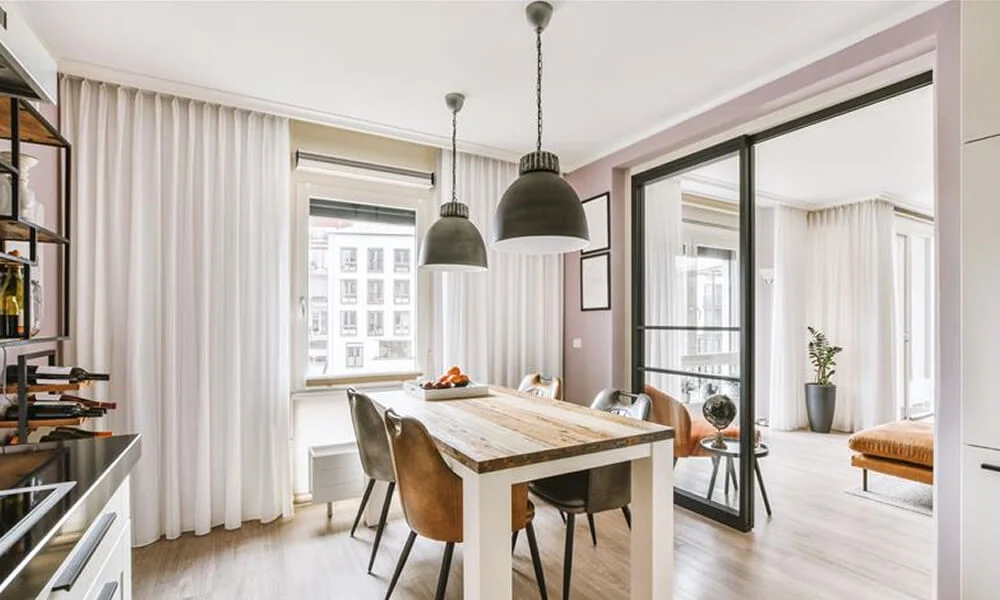
Home renovations in Alamo City can feel like walking a tightrope between creative design choices and municipal regulations. Whether updating a historic bungalow in King William or adding a master suite in Stone Oak, one critical question always comes up early: Do you actually need a permit for your home remodel in San Antonio?
The short answer is: it depends on the scope of the project. The City of San Antonio Development Services Department (DSD) has strict guidelines separating simple cosmetic upgrades from major structural or mechanical work.
Knowing when you need paperwork filed can save you thousands of dollars in delays, fines, and legal headaches down the road.
The "No-Permit" Zone: Cosmetic & Surface Upgrades
If your goal is to refresh the look of your home without changing its structural footprint or utility systems, you are generally in the clear. San Antonio maintains a "No Permit Required" list for minor maintenance and cosmetic improvements.
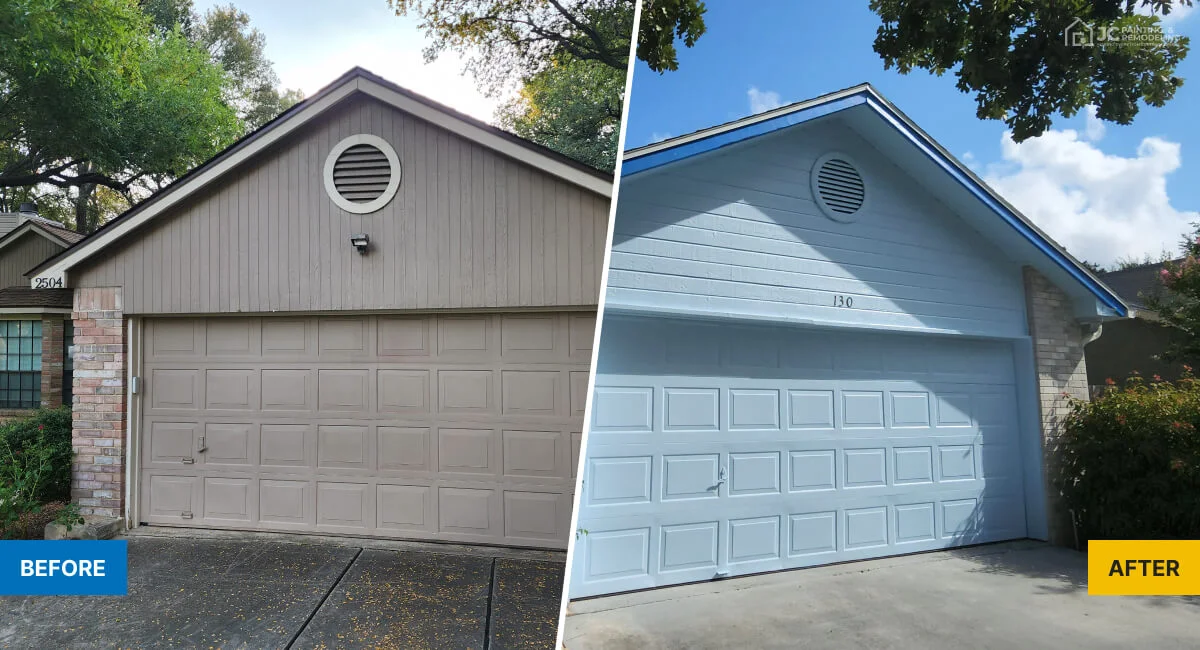
- Painting & Decorating: Interior and exterior painting, wallpapering, tile work, and trim work require no permits.
- Flooring: Replacing carpet, tile, hardwood, or laminate throughout your home.
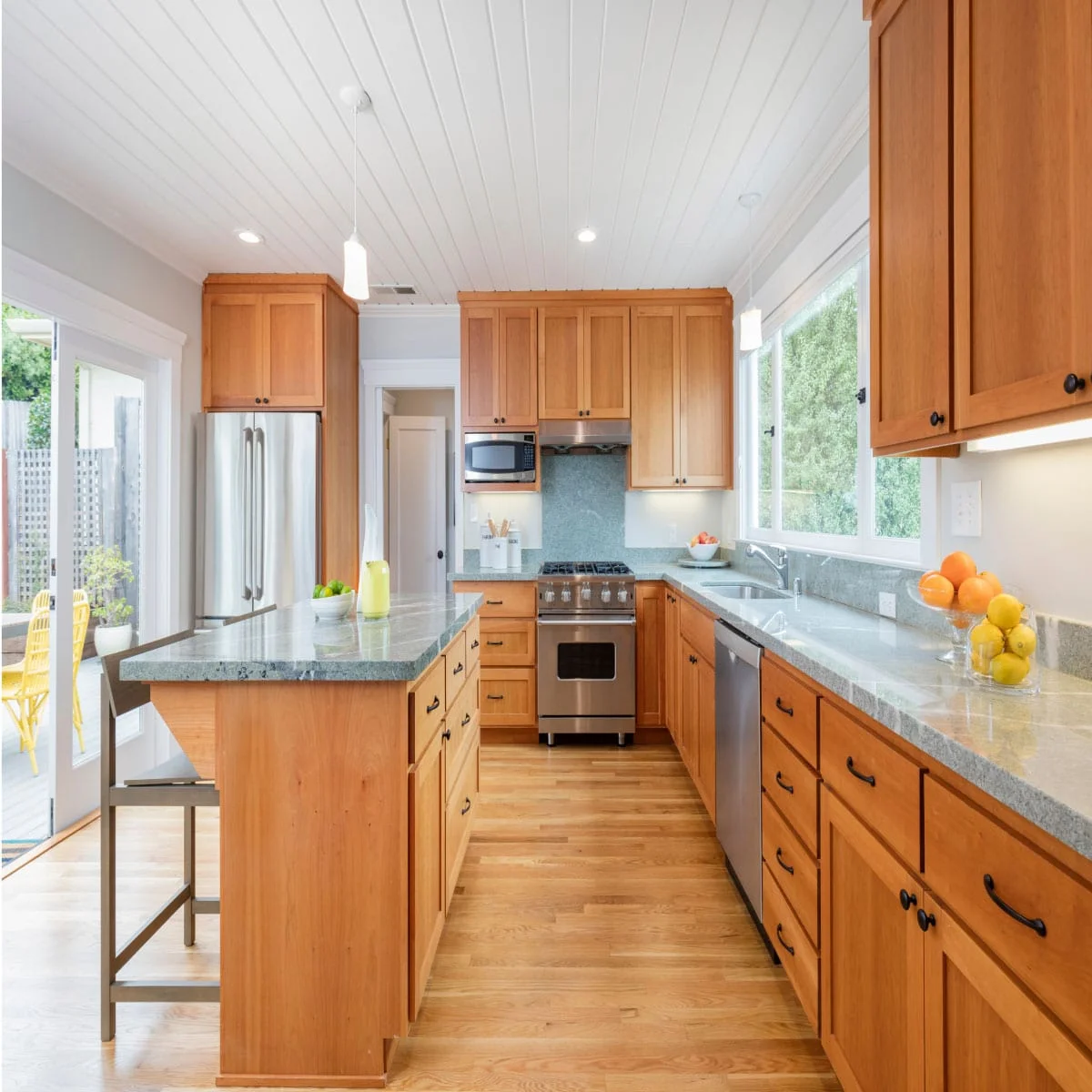
- Cabinet Replacement: Swapping existing kitchen or bathroom cabinets, provided you keep the exact same layout and do not alter plumbing or electrical lines.
- Minor Fences: Installing or replacing a standard residential fence under 6 feet in height.
- Cosmetic Fixture Swaps: Replacing an existing light fixture or sink faucet in the same physical spot without re-routing wires or pipes.
When Permits Are Strictly Required
The moment a project touches structural elements, plumbing, electrical systems, or changes the footprint of the home, the City of San Antonio requires official permits.
- Structural Modifications: Removing load-bearing walls, adding doors or windows, or converting a garage into a living space.
- Electrical Upgrades: Adding new outlets, running new circuits, or upgrading the main panel.
- Plumbing Modifications: Moving water lines, re-piping, or replacing a water heater.
- HVAC & Mechanical Work: Replacing or re-routing entire heating and air conditioning ductwork systems.
- Room Additions & Decks: Building room additions, second-story extensions, or new raised decks.
- Roof Replacement: Replacing decking or structural roof elements requires official filing.
Risks of Unpermitted Work in San Antonio
Skipping the permitting process might seem like an easy way to save time and money, but the consequences often outweigh the convenience:
- Stop-Work Orders: City inspectors actively monitor neighborhoods. Work caught without a permit can be halted immediately, resulting in heavy penalty fees.
- Resale Obstacles: When selling your home, buyers' inspectors and title companies check permit records. Unpermitted space can jeopardize appraisals or prevent lenders from approving the buyer's mortgage.
- Insurance Disclosures: If unpermitted electrical work causes damage or a fire, homeowners insurance providers may deny coverage.
Smooth Navigation of Local Rules
San Antonio operates on a trade-specific permit structure, meaning a comprehensive kitchen or bathroom remodel may involve separate building, electrical, and plumbing line items. While homeowners can pull permits for their primary residence under specific homestead exemptions, navigating building codes and scheduling municipal inspections is usually best handled by experienced professionals.
Partnering with an experienced team removes the burden of city filings and keeps your project fully compliant. As you prepare for your home transformation, work with someone who treat your projects and ideas as if they were there our own, ensuring personalized solutions that bring your vision to life. - JC Painting and Remodeling
Understanding local requirements ensures your home investment is safe, valuable, and compliant for years to come.