Sign up with Google
 Sign in with Zoho

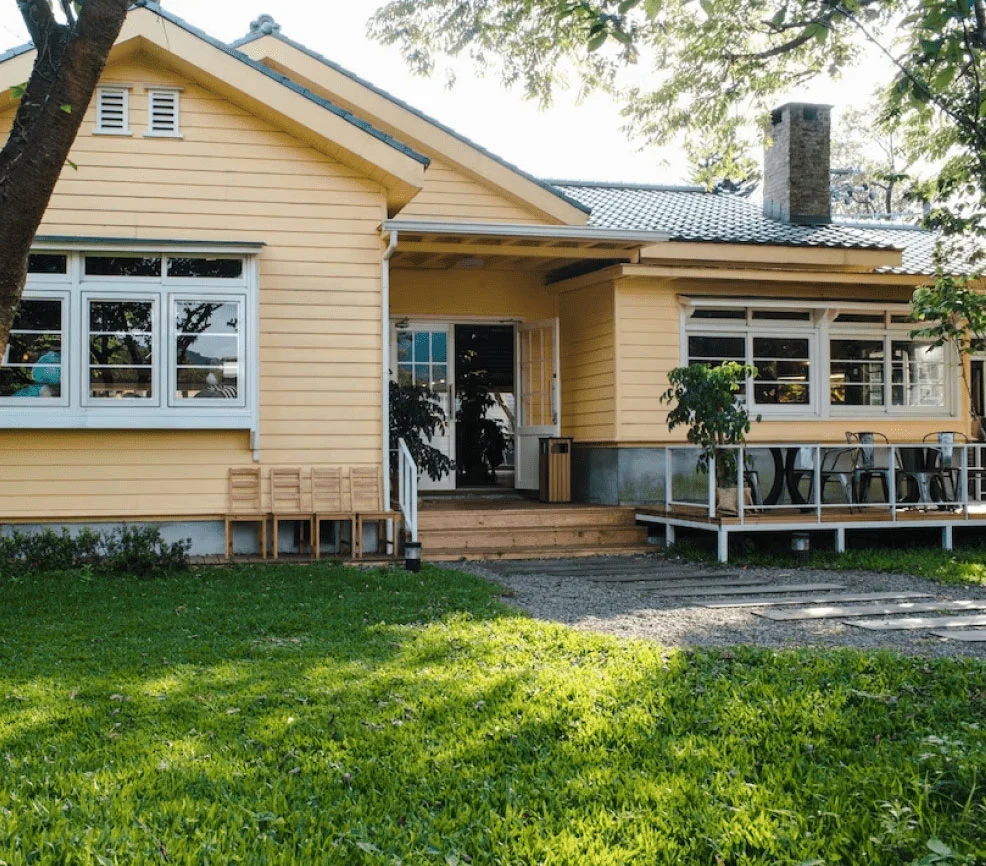
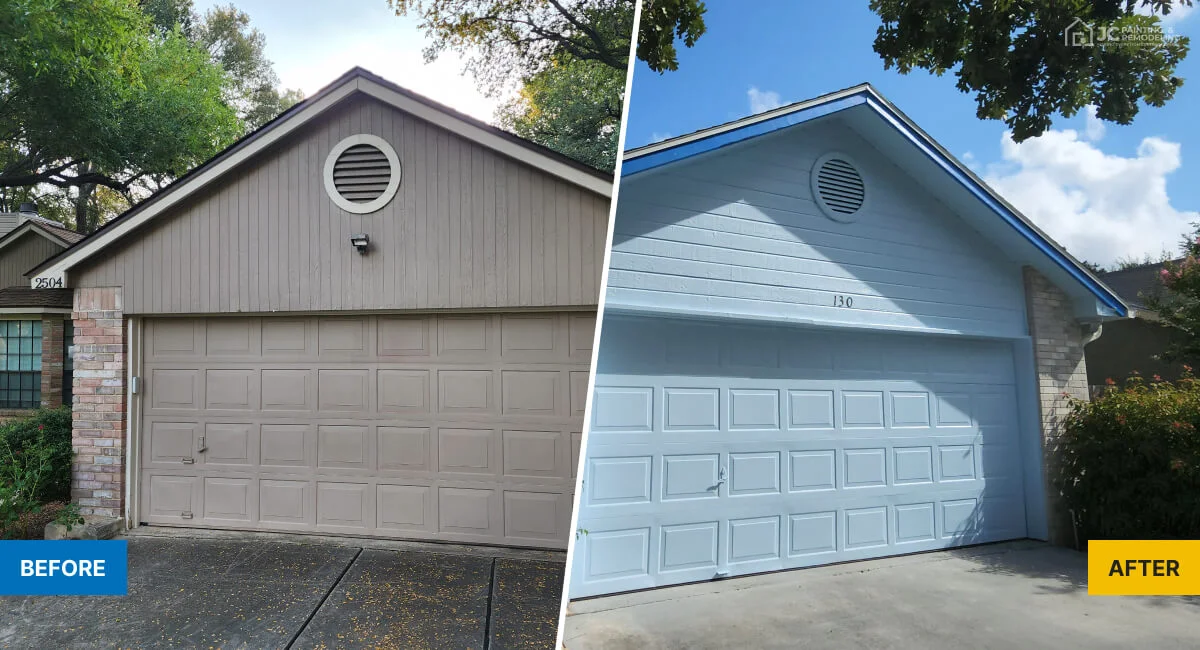
San Antonio homeowners know that South Texas weather doesn’t play by the usual rules. Between triple digit summers, sudden thunderstorms, and humidity that lingers well into fall, timing an exterior paint job here takes more than picking a nice looking weekend. Get the timing and the products right, and a paint job can last eight to ten years. Get it wrong, and you might be looking at peeling, blistering, or fading in half that time.
Why Timing Matters More in San Antonio Than Almost Anywhere Else
Paint needs a fairly narrow set of conditions to cure properly. Most exterior paints perform best when applied between 50°F and 85°F, with low humidity and no rain in the forecast for at least 24 to 48 hours. That sounds simple until you look at a typical San Antonio calendar.
Summer temperatures regularly climb past 100°F, and surface temperatures on a sun facing wall can run even hotter than the air around it. When paint is applied in extreme heat, it dries too fast on the surface before it has a chance to bond properly underneath. That leads to lap marks, uneven sheen, and a finish that fails early. On the other end, San Antonio’s brief winter cold snaps can drop below the minimum temperature most paints need to cure, which causes cracking and poor adhesion.
The Best Seasons to Paint in San Antonio
Spring (March through May) is generally considered the sweet spot. Temperatures are milder, humidity tends to be lower than the muggy summer months, and rainfall is usually lighter and more scattered than the storms that show up later in the season. This gives paint crews more consistent dry windows and fewer scheduling delays.
Fall (October through early December) is the other strong option. By this point, the worst of the summer heat has passed, humidity drops, and temperatures often sit in that ideal 50 to 85 degree range for weeks at a time. Many painters consider fall slightly less crowded than spring, which can mean more flexible scheduling.
Winter can actually work in San Antonio, since the region rarely sees the kind of hard freezes that shut down painting in northern states. Lower humidity in winter reduces the risk of bubbling, and with the sun sitting lower in the sky, your new paint job faces less intense UV exposure early on. Just watch for occasional cold fronts and always check the forecast before committing to a start date.
Summer is the trickiest season. It’s technically possible to paint through a San Antonio summer, but it requires careful scheduling around the hottest parts of the day, typically early morning starts before the heat peaks and wrapping up before mid-afternoon. Painting during a heat advisory is uncomfortable for crews and risky for the paint itself.
Weather Details Worth Watching
Beyond the season, a few day-to-day conditions matter just as much:
- Dew point and humidity: High humidity slows drying time and can trap moisture under the paint film, leading to blistering later. Professional crews often check dew point readings, not just the forecasted high temperature, before starting a job.
- Rain chances: Freshly applied paint needs real curing time. A surprise afternoon storm, common during San Antonio’s spring and early summer, can wash away or streak a coat that hasn’t set.
- Direct sun exposure: Painting a wall that’s baking in direct afternoon sun causes the paint to dry unevenly. Many experienced painters work around the house throughout the day, following the shade rather than fighting the sun.
- Wind: Texas wind gusts can blow dust and debris into wet paint or cause uneven spray application, so calmer days are preferred for spray work.
Heat-Resistant and Reflective Paint Options
Given how much sun exposure San Antonio homes deal with, heat-reflective and heat-resistant coatings have become a popular upgrade, not just for comfort but for long-term durability and energy savings.
These coatings work by reflecting infrared radiation instead of absorbing it the way traditional paint does. Rather than soaking up solar energy and transferring that heat into the wall, reflective pigments and additives, often ceramic microspheres, scatter incoming radiation before it converts to heat on the surface. The practical result is that painted surfaces can stay noticeably cooler under direct sun than surfaces coated in standard paint.
Independent testing backs this up. Research from Oak Ridge National Laboratory found that reflective wall coating systems can reduce exterior wall surface temperatures by as much as 40 degrees Fahrenheit compared to traditional paint, and can lower a home’s cooling costs by close to 22 percent. For a region where air conditioning runs for months at a time, that kind of reduction adds up quickly on utility bills.
Beyond energy savings, these coatings also tend to hold their color longer, since UV degradation is one of the biggest reasons paint fades in a hot climate like South Texas. If you’re repainting a home that gets heavy afternoon sun exposure, particularly west facing walls, a reflective or heat-resistant formulation is worth discussing with your painting contractor.
Prepping Your Home for the Job
Regardless of when you schedule the work, proper prep makes or breaks the outcome. A few things homeowners should expect or ask about:
- Pressure washing to remove dirt, mildew, and chalking paint before any new coat goes on.
- Scraping and sanding any peeling or cracked areas down to a stable surface.
- Caulking gaps around windows, trim, and siding joints to keep moisture out.
- Priming bare wood or repaired sections so the topcoat adheres evenly.
- Protecting landscaping, walkways, and fixtures before painting begins.
Skipping these steps to save time is one of the most common reasons a paint job fails early, no matter how good the paint itself is.
How Long Does It Take?
For an average size single family home, a professional crew of three painters typically needs three to four days to complete an exterior job, including prep, painting, and cleanup. Larger homes, especially three story properties or those with five or more bedrooms, can take four to six days. Weather delays, especially during storm prone months, can extend that timeline, which is another reason spring and fall scheduling tends to go more smoothly.
Choosing a Painting Contractor
A well-run exterior paint job depends as much on the process as it does on the product. Clear communication about scheduling, weather contingencies, and prep work goes a long way toward avoiding surprises. As JC Painting and Remodeling puts it, a “structured painting process ensures consistent quality, clear communication, and professional results from the initial consultation through final inspection and project completion.”
That kind of structured approach matters especially in a climate like San Antonio’s, where a contractor needs to actively monitor weather windows rather than just work off a fixed calendar date.
The Bottom Line
San Antonio’s climate rewards planning. Spring and fall offer the most reliable combination of moderate temperatures and manageable humidity, while winter can work in a pinch if you watch the forecast closely. Summer painting is possible but requires careful timing around the day’s heat. Pairing the right season with a heat-reflective or heat-resistant paint formulation gives your home’s exterior the best shot at a long-lasting, energy-efficient finish that can handle everything South Texas weather throws at it.
If you’re planning a project, get your estimates a few weeks ahead of your target season. Spring calendars for local painting crews tend to fill up fast, and a little advance planning goes a long way toward getting the timing right.