Sign up with Google
 Sign in with Zoho

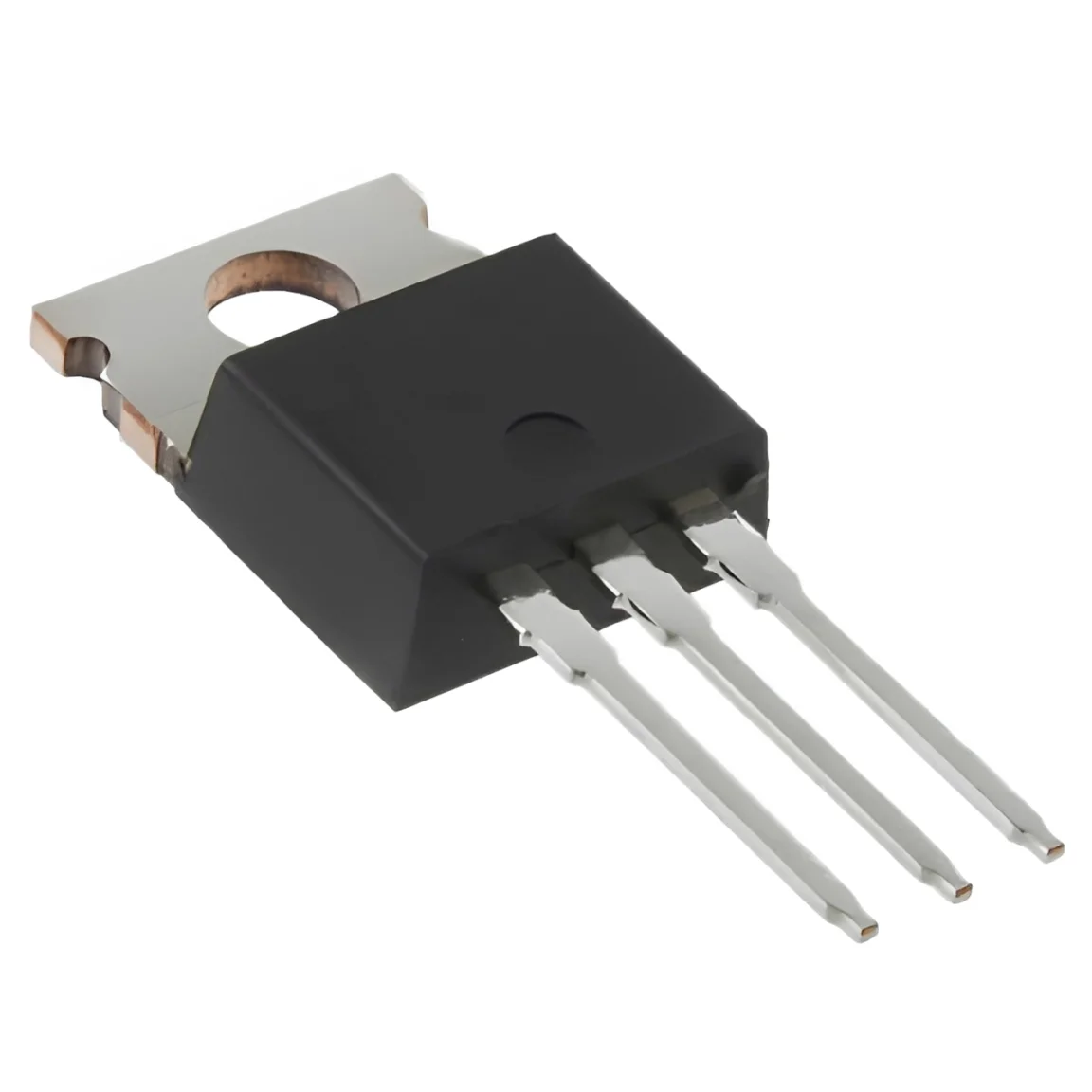
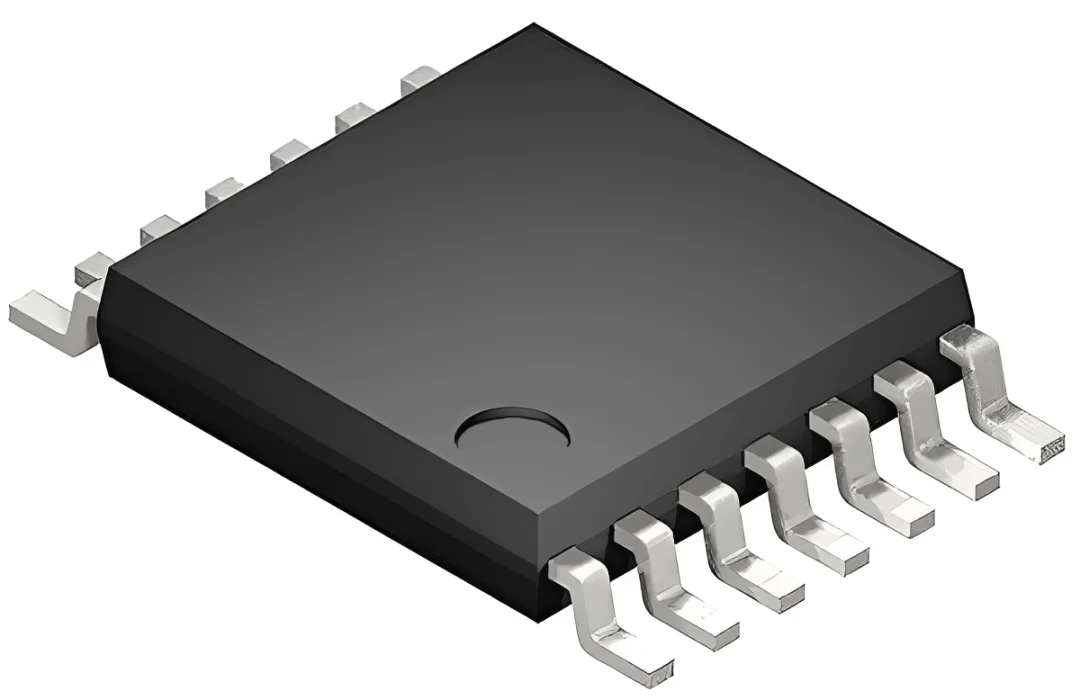
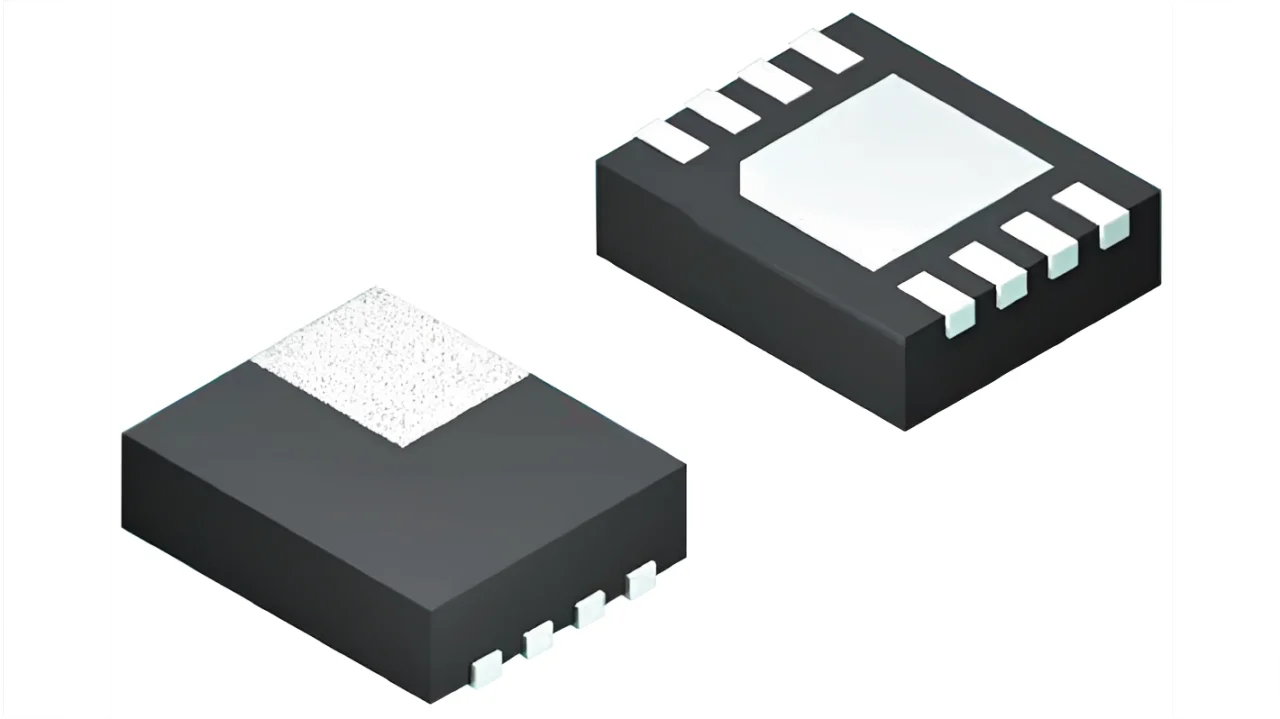
Discrete semiconductors are vital components in electronic systems because they perform specific electrical functions with accuracy, speed, and efficiency. Instead of combining many operations inside a single integrated circuit, these devices are manufactured as individual components that can be selected according to the exact needs of a design.
They are widely used in power supplies, control boards, communication systems, industrial equipment, vehicles, and consumer electronics. Their ability to switch, regulate, amplify, protect, and convert electrical signals makes them valuable in both simple and advanced applications.
As electronic products continue to demand better performance and lower energy consumption, discrete semiconductors remain a dependable foundation for modern circuit design.
Why Are Discrete Semiconductors Important in Electronic Engineering?
Electronic systems depend on controlled movement of current and voltage. Without suitable semiconductor devices, circuits would struggle to manage power efficiently or respond quickly to electrical signals.
Discrete components give engineers the freedom to build each section of a circuit around precise requirements.
They can help provide:
- Accurate current control
- Fast electronic switching
- Reliable signal amplification
- Voltage regulation
- Electrical isolation support
- Overvoltage protection
- Efficient power conversion
This flexibility allows designers to optimise performance without relying on a single complex device for every task.
How Are Discrete Semiconductors Different from Integrated Circuits?
Integrated circuits combine many electronic elements inside one package. They are useful when several functions need to work together in a compact design.
Discrete semiconductors take a different approach.
Each device normally performs one primary role, such as switching current, controlling voltage, or amplifying a signal. This makes them easier to select independently and often more suitable for high-power or specialised applications.
For example, an engineer can choose a specific transistor for a motor driver while selecting a separate diode for reverse-current protection.
Which Discrete Semiconductor Devices Are Commonly Used?
The category includes several device families, each designed for a different purpose.
Power Diodes
Power diodes are used where electrical current must flow in one preferred direction.
They are frequently found in:
- Rectifier circuits
- Power adapters
- Battery chargers
- Protection networks
- Industrial converters
- Automotive electronics
Different diode technologies offer different characteristics, including low forward voltage, fast recovery, or controlled breakdown behaviour.
Field-Effect Transistors
Field-effect transistors are commonly used for switching and signal control.
MOSFETs are especially popular because they can switch rapidly while maintaining low conduction losses in suitable applications.
They are frequently used in:
- DC power supplies
- LED drivers
- Battery circuits
- Motor controllers
- Switching regulators
- Automotive power systems
Bipolar Junction Transistors
Bipolar junction transistors remain useful in both switching and amplification.
They can provide stable gain and are widely used in analogue circuits, driver stages, and low-to-medium power control applications.
Thyristor-Based Devices
Thyristors are designed for controlled power switching.
Devices such as SCRs and TRIACs are often selected for applications involving AC control, motor regulation, heaters, and industrial power equipment.
How Do Discrete Semiconductors Improve Switching Performance?
Mechanical switches physically open and close electrical contacts. Semiconductor switches perform a similar task electronically.
This allows switching to happen much faster and without moving parts.
Fast switching is important in applications such as:
- Switch-mode power supplies
- Pulse-width modulation
- Motor speed control
- Power converters
- Digital control circuits
- High-frequency electronics
By selecting a device with suitable switching characteristics, engineers can reduce energy losses and improve system responsiveness.
Why Are Discrete Semiconductors Valuable in Power Supplies?
Power supplies must convert and regulate electrical energy before it reaches sensitive electronic components.
Discrete semiconductors perform several jobs inside these systems.
Rectifier diodes may convert AC input into DC, while switching transistors help regulate output voltage. Protection devices can also guard against voltage spikes or reverse polarity.
Efficient semiconductor selection can improve:
- Power conversion efficiency
- Output stability
- Thermal performance
- Equipment lifespan
- System reliability
This is why discrete components remain common in both low-power and high-power supply designs.
How Do Discrete Semiconductors Support Battery-Powered Devices?
Battery-operated electronics must use stored energy carefully.
Discrete semiconductors can help manage charging, discharge control, current flow, and load switching.
They are found in products such as:
- Portable instruments
- Cordless tools
- Electric bicycles
- Backup power systems
- Consumer electronics
- Battery storage units
Low-loss semiconductor devices are especially valuable because they help reduce wasted energy and can extend battery operating time.
What Role Do They Play in Automation?
Industrial automation systems rely on fast and dependable electrical control.
Discrete semiconductor devices can switch actuators, drive motors, protect inputs, and regulate power throughout automated equipment.
They are often used in:
- Programmable control hardware
- Robotics
- Conveying systems
- Process equipment
- Machine tools
- Industrial sensors
- Automated production lines
Reliable semiconductor performance is important because industrial systems may operate for long periods under demanding electrical and environmental conditions.
Why Are Thermal Characteristics Important?
Every semiconductor produces some heat during operation.
The amount of heat depends on current, voltage, switching frequency, and internal resistance.
If heat is not controlled properly, component temperature can rise beyond recommended limits. This may reduce efficiency or shorten service life.
Designers may improve thermal performance through:
- Heat sinks
- Copper PCB areas
- Thermal interface materials
- Airflow
- Appropriate package selection
- Lower-loss components
Thermal planning is particularly important in power electronics.
How Should Engineers Compare Discrete Semiconductors?
Datasheets contain the information needed to compare suitable devices.
Important specifications may include:
- Maximum drain or collector voltage
- Continuous current rating
- Power dissipation
- Switching time
- Forward voltage
- On-state resistance
- Junction temperature
- Package type
- Thermal resistance
- Frequency performance
Engineers should compare these values against real operating conditions rather than selecting components based only on a single rating.
How Are Discrete Semiconductors Used in Communication Equipment?
Communication systems often require precise signal handling and stable power control.
Discrete semiconductor devices can support amplification, switching, protection, and frequency-related functions.
They may appear in:
- Radio systems
- Network equipment
- Signal amplifiers
- Transmitters
- Receivers
- Wireless devices
In these applications, speed, low noise, frequency response, and signal integrity can be important selection criteria.
What Trends Are Shaping Discrete Semiconductor Development?
Electronic design is moving toward greater efficiency, smaller size, and higher power density.
This is encouraging manufacturers to develop devices with improved switching behaviour, reduced losses, better thermal handling, and higher operating limits.
Wide-bandgap technologies are also becoming more prominent.
Silicon carbide and gallium nitride devices can support demanding applications where high frequency, efficiency, and compact power conversion are important.
These technologies are increasingly relevant in areas such as:
- Electric vehicle charging
- Renewable energy conversion
- Data centres
- Industrial drives
- High-performance power supplies
- Energy storage
Why Will Discrete Semiconductors Continue to Matter?
Discrete semiconductors remain important because they give engineers direct control over individual electrical functions.
They can be selected specifically for current, voltage, speed, temperature, package, and power requirements. This makes them highly adaptable across industries and circuit designs.
As electronics become more efficient, more connected, and increasingly dependent on advanced power management, discrete semiconductors will continue to support essential functions behind modern technology. Their combination of precision, flexibility, and reliable electrical control ensures that they will remain a core part of electronic engineering for years to come.