Sign up with Google
 Sign in with Zoho

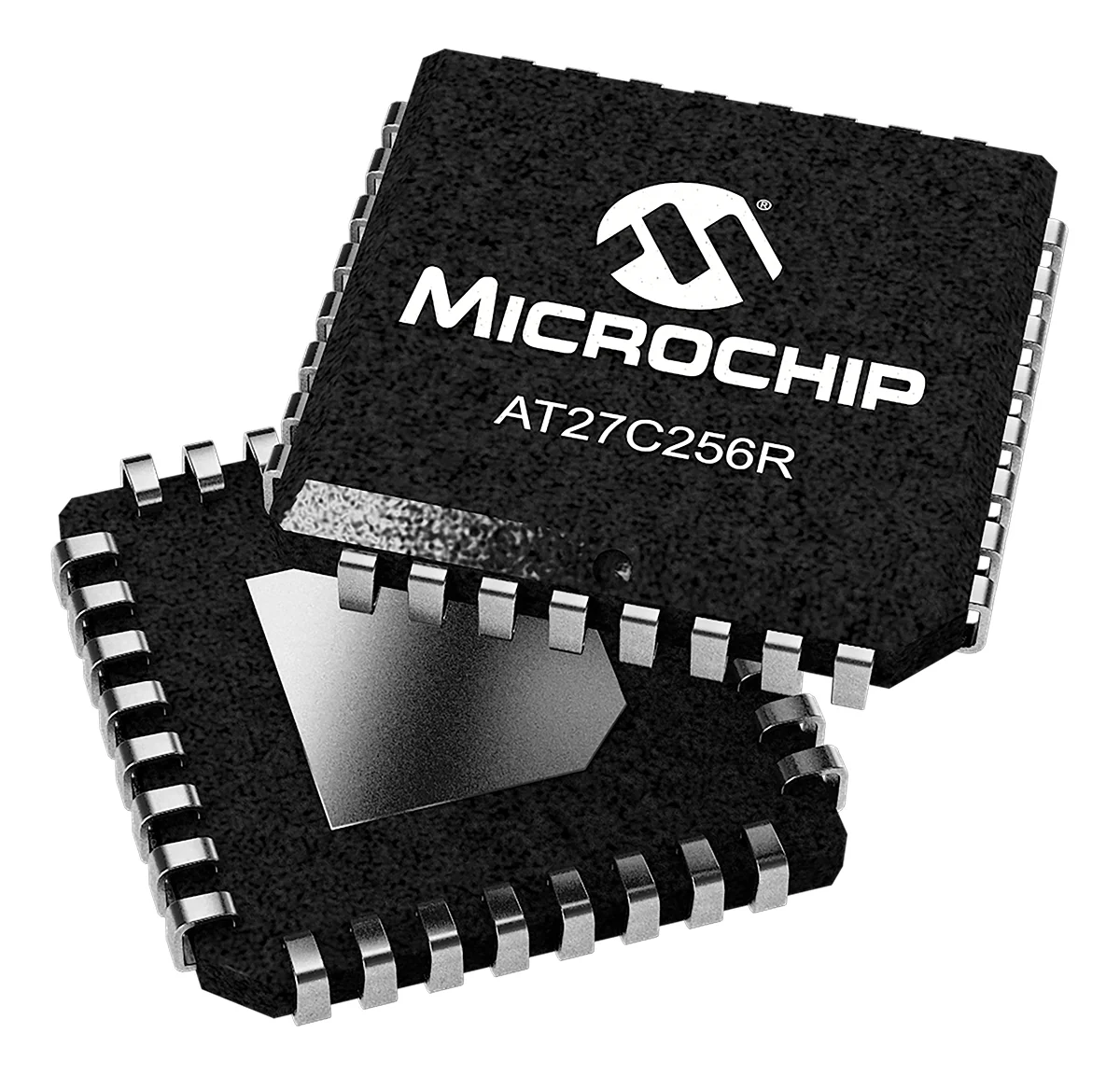
EPROM is a programmable memory chip that stores important digital instructions inside electronic devices. The name EPROM stands for Erasable Programmable Read-Only Memory. It was developed to give engineers a dependable way to save firmware while still allowing the stored data to be erased and rewritten when necessary.
In electronics, every smart device needs some form of memory. Some memory is temporary, while other memory must remain stored even when the power is off. EPROM belongs to the second group. It keeps data safely without power, making it useful for systems that need fixed instructions, startup code, or machine control programmes.
Although modern devices now use flash memory more often, EPROM remains important in older equipment, industrial systems, electronic repair, and technical learning.
How Does EPROM Support Firmware Control?
Firmware is the low-level software that tells hardware how to operate. It can control how a device starts, reads signals, displays output, or communicates with other parts of a system. EPROM became popular because it could store this firmware permanently while still allowing changes during development.
When a device is switched on, the processor can read instructions from the EPROM and begin operating. This makes EPROM useful in systems where the same instructions must load every time.
EPROM can support firmware control in:
- Industrial control panels
- Embedded processor boards
- Automotive electronic units
- Testing and measurement instruments
- Older computer systems
- Communication devices
- Arcade and vintage gaming boards
- Laboratory machines
Because EPROM does not lose data after shutdown, it provides stable memory for devices that must start reliably.
What Happens Inside an EPROM Chip?
EPROM uses memory cells based on floating-gate transistor technology. These tiny cells store electrical charge to represent digital information. A charged or uncharged state is interpreted as binary data, which forms the programme stored in the chip.
To write data, technicians use an EPROM programmer. This device applies a special programming voltage to selected memory cells. Once the correct charge is placed inside the floating gate, the data remains stored for a long time.
The chip can then be placed into an electronic circuit. The system reads the stored information whenever needed, but it does not normally rewrite it during daily operation. This is why EPROM is suitable for firmware that changes rarely.
Why Is Ultraviolet Erasing Important?
The most distinctive feature of traditional EPROM is its ultraviolet erasing method. Many EPROM chips have a clear quartz window on the top. This window allows ultraviolet light to reach the silicon die inside the chip.
When the EPROM needs to be erased, it is removed from the circuit and placed under a UV eraser. The ultraviolet light clears the stored electrical charge from the floating gates. After this process, the memory becomes blank and can accept new data.
This method made EPROM reusable, but it also required proper handling. After programming, the quartz window is usually covered with a label to protect the chip from light exposure.
Why Did Engineers Depend on EPROM?
EPROM became valuable because it reduced the risk of permanent programming mistakes. Before reusable memory became common, changing firmware could be costly. A fixed ROM chip could not be easily corrected if the code contained errors.
EPROM gave engineers more control. They could test firmware, erase the chip, update the code, and programme it again. This was especially helpful during product development and prototype testing.
Engineers depended on EPROM because it offered:
- Reprogrammable storage for development work
- Reliable firmware retention after power loss
- Easier correction of software errors
- Practical support for small production runs
- Stable memory for completed devices
- Better flexibility than fixed ROM
This combination of reliability and reuse made EPROM a major step forward in digital electronics.
Where Is EPROM Still Used Today?
EPROM is not the main choice for new consumer electronics, but it is still found in many working systems. Older machines often continue to perform well, and replacing them may not be practical. In such cases, EPROM support remains necessary.
EPROM may still be used in:
- Factory automation equipment
- Vintage computers
- Arcade game machines
- CNC controllers
- Medical and laboratory instruments
- Older vehicle control systems
- Telecommunications hardware
- Repair and restoration workshops
Technicians may read an old EPROM, save the firmware file, and programme a replacement chip. This helps protect important data and keeps legacy systems running.
What Are the Benefits of EPROM?
EPROM offers several benefits for systems that need dependable programme memory. Its greatest strength is non-volatile storage. Once data is written, it remains available even when the circuit has no power.
Main benefits include:
- Long-term data storage
- Reusable programming capability
- Reliable firmware support
- Useful for product testing
- Suitable for legacy equipment repair
- Helpful for preserving old machine software
- Strong educational value for electronics students
These benefits explain why EPROM is still respected, even though newer memory technologies are more convenient.
What Are the Weaknesses of EPROM?
EPROM also has limitations. Its erasing process takes time and requires ultraviolet equipment. In many cases, the chip must be removed from the circuit before erasing and reprogramming.
Common weaknesses include:
- UV erasing is slower than electrical erasing
- Special programming equipment is required
- Updates are not convenient for frequent changes
- The quartz window must be protected
- Storage capacity is lower than modern flash memory
- Wrong programming voltage may damage the chip
Because of these drawbacks, EEPROM and flash memory became more suitable for modern devices. They allow faster updates and easier in-system programming.
How Is EPROM Different from RAM and Flash Memory?
EPROM, RAM, and flash memory all store data, but they serve different purposes. RAM is temporary memory. It works quickly, but it loses data when power is removed. EPROM keeps data without power, making it better for firmware storage.
Flash memory also keeps data without power, but it is easier to erase and rewrite electronically. This makes flash memory better for modern storage devices and firmware updates.
The key difference is simple:
- RAM is fast but temporary
- EPROM is stable and UV erasable
- Flash memory is stable and electrically erasable
Each memory type has its own role, but EPROM is especially important in the history of programmable firmware storage.
Why EPROM Still Matters in Electronics Education
EPROM is useful for learning because it shows how hardware and firmware work together. Students can understand how programme instructions are stored, how processors read memory, and why non-volatile storage is important.
It also teaches the evolution of memory technology. By studying EPROM, learners can better understand how electronics moved from fixed ROM to EEPROM, flash memory, and modern embedded storage.
Final Thoughts
EPROM is a key memory technology that helped make electronic systems more flexible, reliable, and programmable. It allowed engineers to store firmware permanently while still giving them the option to erase and rewrite data when needed.
Even though modern flash memory has replaced EPROM in most new designs, EPROM still has real value in legacy systems, repair work, vintage electronics, and education. Its dependable storage, reusable design, and historical importance make it an essential topic for anyone interested in electronic memory and embedded systems.