Sign up with Google
 Sign in with Zoho


Introduction
Modern-day businesses are always looking for ways to improve efficiency, reduce costs, and provide the best customer experience. This is why they turn to automation technologies such as Robotic Process Automation (RPA) and Artificial Intelligence (AI) agents. Understanding RPA vs. AI Agents is essential — while both solutions focus on automating business processes, they differ in many fundamental ways. Knowing these differences will help organizations choose the most suitable technology, considering their specific business needs.
What is RPA?
Robotic Process Automation (RPA) refers to rule-based automated processes performed by bots that follow specific instructions. RPA bots help to complete repetitive tasks such as processing invoices, migrating data, payroll, generating reports, and filling out forms automatically, among various other tasks.
These bots allow businesses to free up staff from tedious activities while improving productivity and accuracy. RPA bots operate using rule-based or decision tree instructions, thus making it easy to deploy them within an organization.
What Are AI Agents?
The use of AI agents is not limited to automation. AI agents have more intelligent capabilities compared to RPA bots since they can understand, think, and learn constantly.
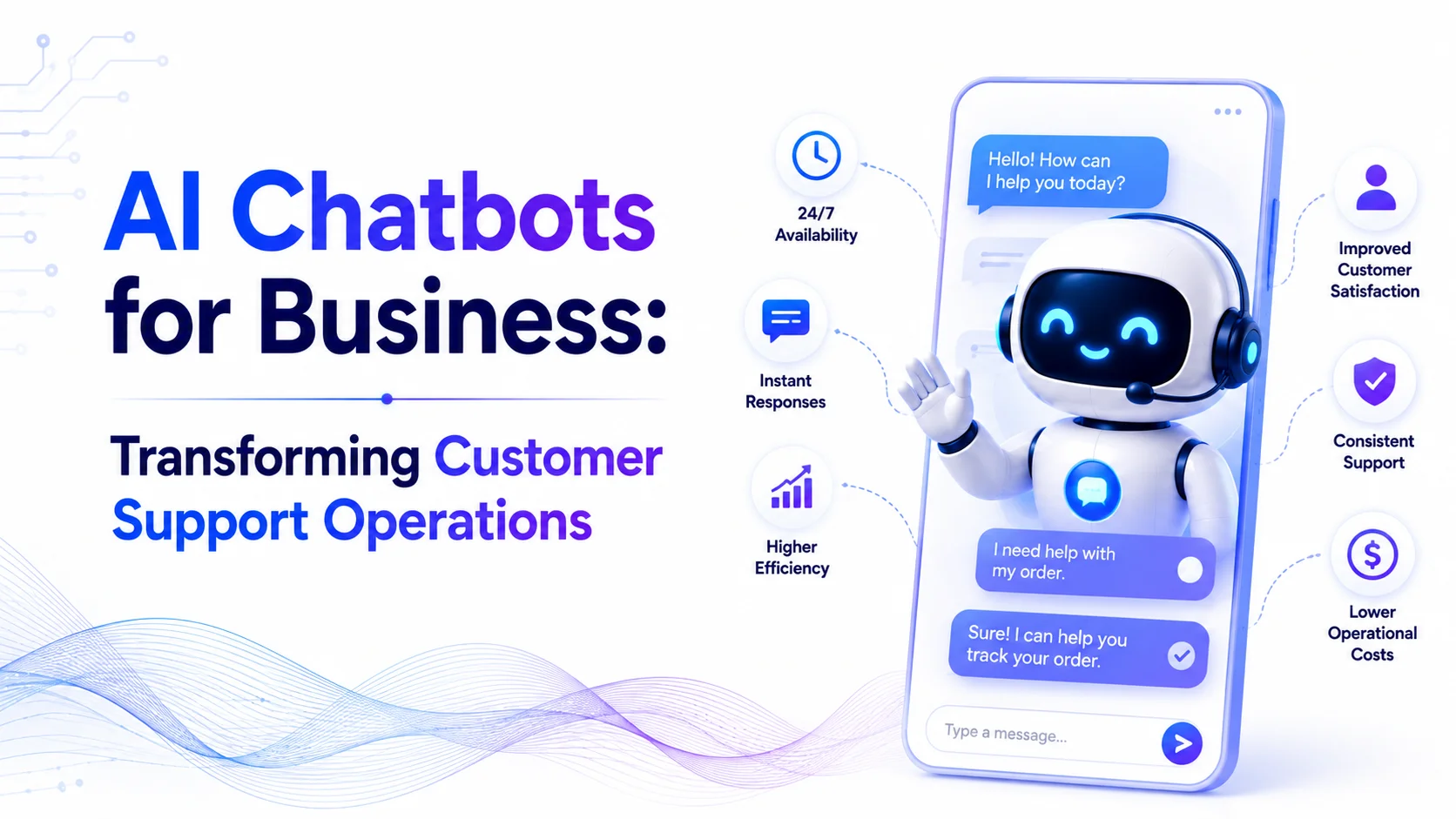
Companies tend to leverage AI development services to create custom intelligent agents that can take over complex tasks such as customer service chatbots, automation of business processes, and predictive analytics. Essentially, AI agents can operate independently without constant human intervention.
The Main Differences between RPA and AI Agents
The comparison of RPA and AI agents on three basic levels demonstrates the strong sides and weaknesses of both technologies.
Learning
While RPA bots lack the capability to learn from past actions and follow the particular rules embedded into their programming, AI agents employ machine learning algorithms to learn constantly.
Decision Making
When it comes to decision-making, RPA bots can only operate using a set of instructions. However, AI agents can make smarter decisions by evaluating and analyzing data in real time.
Processing Data
Bots that operate using RPA are incapable of processing different types of data. They mostly work with structured data in a well-defined format such as databases, spreadsheets, and enterprise resource planning systems.
Conversely, AI agents can process structured and unstructured data, including voice, text, email, and social media data, among others. Most companies usually invest in AI development solutions to create powerful business automation platforms that can handle multiple data types effectively.
Which is More Beneficial to Businesses?
This depends on the needs of the business. Firms that engage in repetitive activities like office tasks can greatly gain by using RPA. This is due to the ease of programming bots to perform such tasks.
On the other hand, businesses can gain more by using AI agents if they are targeting improving the experience of their customers. For example, AI agents are able to make product recommendations and give great customer service.
Furthermore, AI agents can intelligently detect, prevent and report fraud unlike bots. Lastly, firms that intend to adopt predictive analytics and make better decisions should think about using AI agents.
Can Both Technological Tools Work Together for Businesses?
Both AI agents and RPA tools are compatible. This is one of the major reasons why many companies are looking forward to adopting both technologies. The reason is that RPA bots are suitable for undertaking basic and rule-based functions such as filling out forms and processing payments. On the other hand, AI agents are responsible for undertaking sophisticated operations such as interpreting information.
In this regard, an AI agent may be tasked with reading an email from customers and understand the kind of requests they have. Based on this analysis, an AI agent can command an RPA bot to take some actions such as updating a specific database.
The firms can also contract developers who will make sure that both technological tools complement one another through integration to serve both basic and complicated business needs.
Issues to Consider Before Adopting These Technologies
It is very important for any company that plans to use either AI agents or RPA bots to conduct an analysis of its needs first. This is because both technologies offer different services, and as such, it is very important to consider which technology suits the strategy of a particular company
Most companies usually consider investing in custom AI agent development solutions since it ensures that they adopt the best technology to suit their specific needs. Additionally, custom solutions offer flexibility, which is essential in meeting future business demands.
Conclusion
RPA bots and AI agents differ in several ways, and as such, organizations need to understand their unique needs before adopting either technology. It is essential to keep in mind that both technologies can co-exist within a business setting and serve different purposes. Consulting with experts in automation and artificial intelligence ensures that businesses utilize the best technology to achieve their envisioned goals and build processes that scale with confidence.