Sign up with Google
 Sign in with Zoho
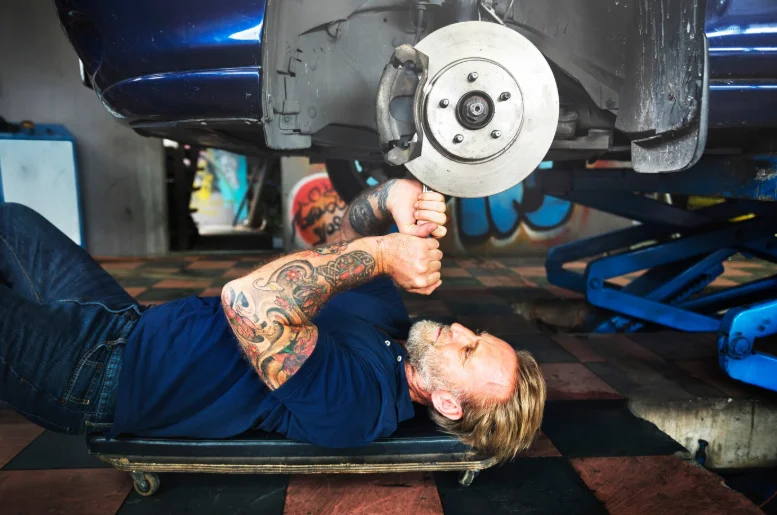
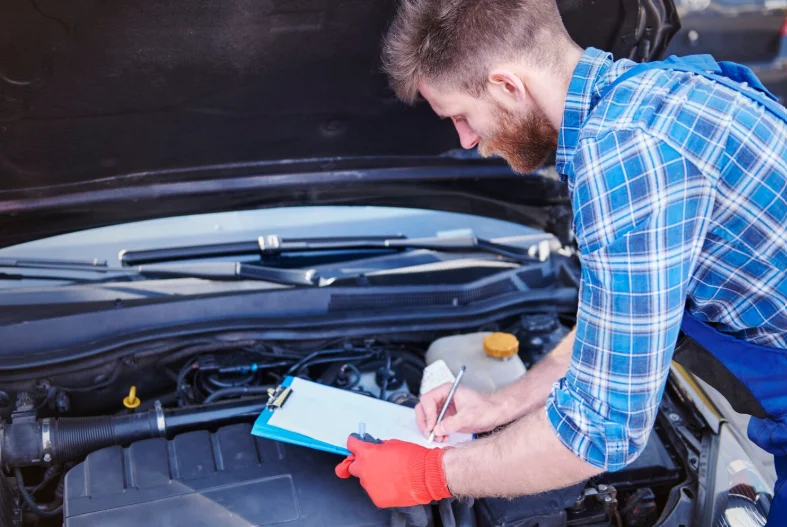
Your vehicle's cooling system plays a vital role in keeping the engine running at the correct temperature. When any part of this system fails, the engine can overheat within minutes, leading to expensive mechanical problems. This is why radiator repair should never be ignored. A properly functioning radiator removes excess heat from the engine coolant, helping maintain safe operating temperatures regardless of weather or driving conditions. Whether you drive daily, commute long distances, or enjoy weekend road trips, taking care of your radiator can save you from unexpected breakdowns and costly engine repairs.
Understanding the Role of Your Vehicle's Radiator
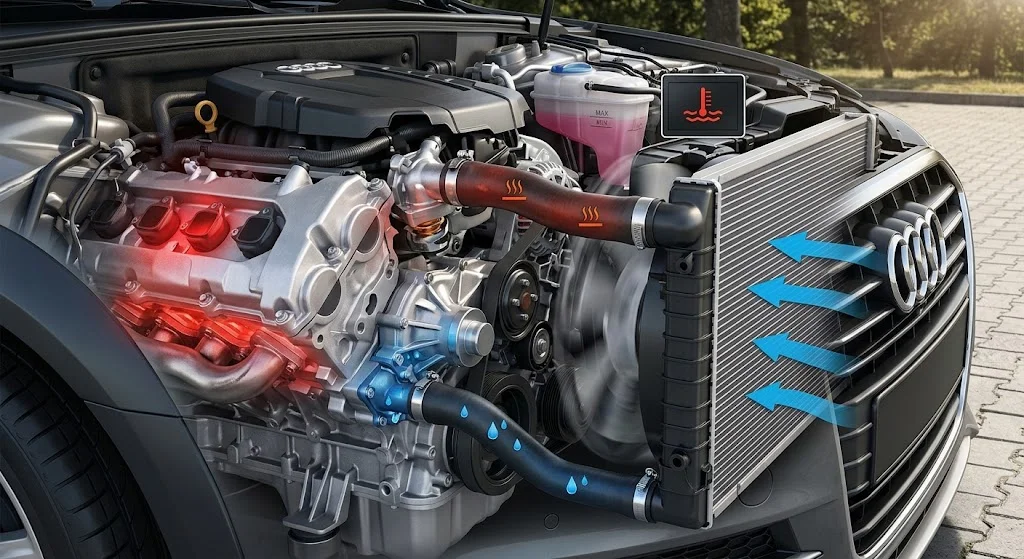
The radiator is the heart of the cooling system. It circulates coolant through the engine to absorb heat and then releases that heat into the outside air. This continuous process keeps the engine from reaching dangerous temperatures.
Several components work together with the radiator, including:
- Coolant
- Radiator hoses
- Water pump
- Cooling fan
- Thermostat
- Radiator cap
If any of these components fail, the radiator cannot efficiently cool the engine, increasing the risk of overheating.
Why Engine Overheating Is a Serious Problem
Many drivers underestimate how damaging engine overheating can be. A temperature gauge that moves into the red zone is more than just a warning—it signals that your engine is under extreme stress.
Ignoring an overheating engine may result in:
- Blown head gasket
- Cracked engine block
- Warped cylinder head
- Damaged pistons
- Failed engine bearings
- Complete engine replacement
These repairs often cost thousands of dollars, making routine radiator maintenance one of the smartest investments for vehicle owners.
Common Causes of Radiator Problems
Radiators are exposed to constant heat, pressure, dirt, and road debris. Over time, these conditions can cause wear and damage.
Some of the most common causes include:
Coolant Leaks
Leaks may develop because of corrosion, damaged hoses, cracked plastic tanks, or worn seals.
Rust and Corrosion
Old coolant loses its protective properties, allowing rust to build inside the radiator. Corrosion restricts coolant flow and reduces cooling efficiency.
Clogged Radiator
Sediment, mineral deposits, and contaminants can block the radiator's narrow passages, limiting coolant circulation.
Bent Cooling Fins
Road debris can damage the radiator fins, reducing airflow and preventing efficient heat transfer.
Broken Cooling Fan
If the cooling fan stops working, especially during slow traffic or idling, engine temperatures can rise quickly.
Warning Signs Your Radiator Needs Attention
Recognizing early symptoms can help prevent major engine damage.
Watch for these warning signs:
Rising Temperature Gauge
A temperature gauge consistently reading higher than normal indicates reduced cooling performance.
Coolant Puddles
Green, orange, pink, or yellow fluid beneath your vehicle usually points to a coolant leak.
Sweet Smell Around the Vehicle
Coolant has a distinctive sweet odor. If you notice this smell after driving, inspect the cooling system.
Steam from the Hood
Steam escaping from the engine compartment usually means the engine has already become dangerously hot.
Low Coolant Levels
Frequently topping off coolant without finding the cause often indicates hidden leaks.
Discolored Coolant
Healthy coolant is bright and clean. Rusty or dirty coolant signals internal contamination.
How Radiator Repair Prevents Engine Overheating
Timely radiator repairs restore the cooling system's efficiency before overheating occurs.
Restores Proper Coolant Flow
Removing blockages or repairing damaged components allows coolant to circulate freely through the engine.
Stops Coolant Loss
Repairing leaks maintains proper coolant levels, ensuring consistent engine cooling.
Improves Heat Dissipation
Cleaning or replacing damaged radiator sections improves airflow and heat transfer.
Prevents Pressure Loss
A properly sealed radiator maintains the correct system pressure, raising the coolant's boiling point and improving cooling efficiency.
Protects Cooling Components
Addressing radiator issues early reduces strain on the water pump, thermostat, and cooling fan.
The Hidden Costs of Ignoring Radiator Problems
Small radiator issues rarely remain small for long.
Ignoring repairs may lead to:
- Emergency towing expenses
- Rental vehicle costs
- Missed work
- Engine rebuilds
- Reduced fuel efficiency
- Lower vehicle resale value
A simple repair today can prevent thousands of dollars in future expenses.
What Happens During a Professional Radiator Inspection?
Professional technicians perform several checks to locate the source of cooling system problems.
Typical inspections include:
Pressure Testing
The cooling system is pressurized to identify hidden leaks.
Coolant Condition Check
Technicians inspect coolant quality, contamination, and concentration.
Hose Inspection
Rubber hoses are examined for swelling, cracks, and leaks.
Radiator Cap Testing
A faulty cap may release pressure prematurely, causing overheating.
Cooling Fan Evaluation
Electric or mechanical fans are tested for proper operation.
Thermostat Testing
A stuck thermostat can restrict coolant circulation and increase engine temperatures.
Repair or Replace the Radiator?
Not every radiator problem requires complete replacement.
Repair may be possible if:
- Small leaks are repairable
- Hoses need replacement
- Minor corrosion is present
- Cooling fan requires repair
- Radiator cap has failed
Replacement is often recommended when:
- Extensive corrosion exists
- Multiple leaks are present
- Plastic tanks are cracked
- Internal blockage cannot be removed
- The radiator has severe structural damage
A professional inspection helps determine the most cost-effective solution.
Preventive Maintenance Tips
Preventive care keeps the cooling system operating efficiently for years.
Replace Coolant on Schedule
Old coolant loses its corrosion inhibitors and cooling properties.
Check Coolant Levels Monthly
Low coolant is often the first sign of a developing problem.
Inspect Hoses Regularly
Replace hoses showing cracks, bulges, or soft spots.
Clean Radiator Fins
Remove dirt, leaves, and debris that restrict airflow.
Watch the Temperature Gauge
Never ignore rising engine temperatures.
Schedule Cooling System Inspections
Annual inspections help detect issues before they become major repairs.
Driving Habits That Reduce Cooling System Stress
Good driving habits also contribute to a healthier radiator.
Consider these practices:
- Avoid aggressive acceleration during hot weather.
- Reduce heavy towing if your cooling system shows signs of wear.
- Allow the engine to warm gradually before demanding high performance.
- Avoid driving with low coolant.
- Pull over safely if the engine begins overheating.
These habits reduce unnecessary stress on both the radiator and engine.
Why Professional Repairs Are Worth It
Although some maintenance tasks can be handled at home, radiator repairs often require specialized equipment and expertise.
Professional technicians can:
- Accurately diagnose cooling system failures
- Perform pressure testing
- Replace damaged components correctly
- Remove air pockets from the cooling system
- Use manufacturer-recommended coolant
- Verify proper operating temperatures after repairs
Professional service ensures the repair addresses the root cause rather than just the symptoms.
Final Thoughts
Your radiator quietly protects one of the most expensive parts of your vehicle—the engine. Delaying cooling system repairs may seem harmless at first, but even a small coolant leak or clogged radiator can quickly develop into major engine damage. Regular inspections, proper maintenance, and prompt repairs help keep your engine operating safely while reducing the risk of unexpected breakdowns and expensive repairs. If you notice rising engine temperatures, coolant leaks, or warning signs from your cooling system, scheduling radiator leak repair as soon as possible can protect your vehicle, extend engine life, and save you significant repair costs in the future.
Frequently Asked Questions (FAQs)
1. How do I know if my radiator needs repair?
Common signs include engine overheating, coolant leaks, steam from the hood, low coolant levels, rusty coolant, and a consistently high temperature gauge.
2. Can I drive with a leaking radiator?
Driving with a leaking radiator is not recommended. Even a small leak can quickly lower coolant levels and cause severe engine overheating.
3. How often should coolant be replaced?
Most manufacturers recommend replacing coolant every 30,000 to 60,000 miles, although intervals vary depending on the vehicle and coolant type.
4. What causes a radiator to leak?
Leaks commonly occur because of corrosion, damaged hoses, cracked plastic tanks, worn seals, loose connections, or physical damage from road debris.
5. Is radiator repair less expensive than engine repair?
Yes. Repairing a radiator or cooling system issue is significantly less expensive than repairing an overheated engine or replacing major engine components.
6. Can a clogged radiator cause overheating?
Absolutely. A clogged radiator restricts coolant flow, reducing its ability to remove heat from the engine and increasing the risk of overheating.
7. Should I replace or repair my radiator?
The decision depends on the severity of the damage. Minor leaks or hose problems may only require repairs, while extensive corrosion or structural damage often requires replacement.
8. How can I extend the life of my radiator?
Regular coolant changes, routine inspections, keeping the radiator clean, checking coolant levels, and addressing leaks promptly will help maximize radiator life and maintain reliable engine cooling