Sign up with Google
 Sign in with Zoho
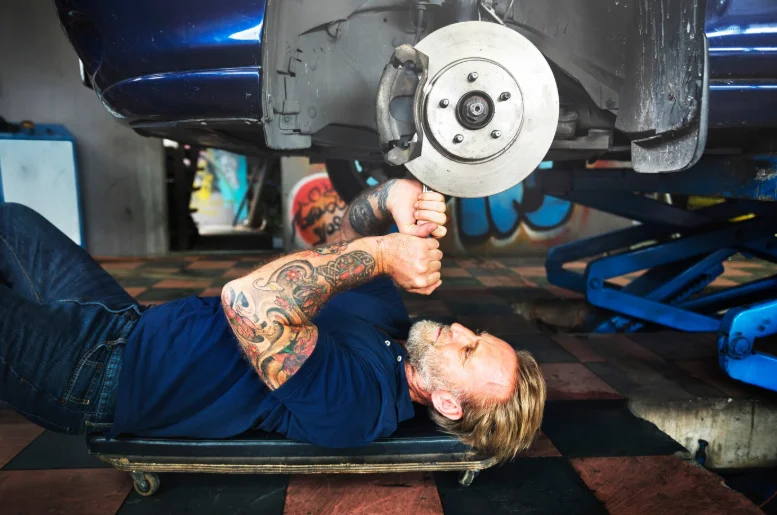

Your vehicle depends on proper tire alignment to deliver safe handling, smooth steering, and even tire wear. Many drivers assume alignment only matters after replacing tires, but it plays a critical role throughout the life of your vehicle. Driving with poor alignment can reduce fuel efficiency, shorten tire lifespan, and place unnecessary strain on suspension components. Since alignment problems often develop gradually, they are easy to overlook until they begin affecting daily driving. Learning to recognize the early warning signs can help you avoid expensive repairs and keep your vehicle performing at its best.
What Is Tire Alignment?
Tire alignment refers to adjusting the angles of your vehicle's wheels according to the manufacturer's specifications. Contrary to what the name suggests, technicians are not aligning the tires themselves—they are aligning the suspension system that supports the wheels.
Three primary alignment angles are adjusted during the process:
- Camber: The inward or outward tilt of the wheels when viewed from the front.
- Caster: The angle of the steering axis that affects stability and cornering.
- Toe: The direction the tires point relative to one another.
When these angles are correct, your vehicle tracks straight, handles predictably, and experiences even tire wear.
1. Your Vehicle Pulls to One Side
One of the most noticeable signs of alignment trouble is when your vehicle drifts left or right while driving on a straight, level road.
You may find yourself constantly correcting the steering wheel just to stay in your lane. Although road conditions, tire pressure, or brake issues can sometimes contribute to pulling, wheel alignment is among the most common causes.
Ignoring this symptom not only makes driving tiring but can also accelerate tire wear and reduce control during emergency maneuvers.
2. Uneven Tire Wear
Inspect your tires regularly. If one edge of the tread appears significantly more worn than the other, poor alignment may be responsible.
Different alignment issues create different wear patterns:
- Excessive inside edge wear
- Outside edge wear
- Feathered tread
- Rapid wear on one tire
Uneven wear shortens tire life considerably. Replacing tires prematurely often costs much more than correcting the alignment when the problem first appears.
Rotating tires helps extend tread life, but it cannot fix wear caused by incorrect alignment angles.
3. Crooked Steering Wheel
When driving straight ahead, your steering wheel should remain centered.
If the steering wheel appears tilted to one side while the vehicle travels straight, it's often a clear indicator that the alignment needs attention.
A crooked steering wheel may seem like a minor inconvenience, but it indicates the wheels are no longer pointing exactly where they should. This can gradually affect steering response and overall driving comfort.
4. Loose or Unstable Steering
Does your steering feel less responsive than it used to?
A vehicle with poor alignment may feel:
- Wandering on the highway
- Slow to respond during turns
- Less stable at higher speeds
- Difficult to keep centered in the lane
Good alignment helps maintain consistent contact between the tires and the road surface. Once alignment shifts, steering precision often decreases.
If your steering suddenly feels unusually loose or unpredictable, have both the alignment and suspension inspected promptly.
5. Vibrations While Driving
Many people assume wheel vibrations always indicate tire balancing issues. While unbalanced wheels are a common cause, severe alignment problems may also contribute to unusual vibrations, especially when combined with worn suspension components.
Persistent vibration should never be ignored because it can indicate multiple developing issues.
Professional inspection helps determine whether balancing, alignment, suspension repair, or another service is needed.
6. Recent Impact with a Pothole or Curb
Modern suspension systems are durable, but they're not immune to sudden impacts.
Your alignment can shift after hitting:
- Deep potholes
- Raised road edges
- Curbs
- Construction zones
- Speed bumps taken too quickly
Even if your vehicle seems to drive normally afterward, a hard impact can alter wheel angles enough to begin uneven tire wear over time.
Scheduling an alignment check after a significant impact is an inexpensive way to prevent larger repair bills later.
7. Suspension or Steering Repairs
Any repair involving suspension or steering components can alter alignment settings.
Examples include replacing:
- Ball joints
- Tie rods
- Control arms
- Struts
- Springs
- Steering rack components
Whenever these parts are replaced, an alignment should typically follow to ensure every component works together correctly.
Skipping this final adjustment may reduce the effectiveness of the repair and shorten the life of newly installed parts.
Common Causes of Alignment Problems
Several everyday situations can gradually affect your vehicle's alignment.
These include:
- Daily driving on rough roads
- Repeated pothole impacts
- Worn suspension components
- Accidents or collisions
- Improper suspension modifications
- Aging steering parts
- Heavy vehicle loads over time
Alignment changes rarely happen overnight. Small shifts accumulate over thousands of miles until symptoms become noticeable.
Why Prompt Tire Alignment Matters
Delaying alignment service often creates a chain reaction of additional maintenance needs.
Proper alignment helps:
- Extend tire life
- Improve fuel economy
- Increase steering accuracy
- Reduce suspension wear
- Improve driving comfort
- Promote even tread wear
- Maintain predictable handling
The longer poor alignment continues, the more expensive the resulting repairs may become.
How Often Should Alignment Be Checked?
Although manufacturers vary, many automotive professionals recommend checking alignment:
- Every 12,000 to 15,000 miles
- During new tire installation
- After suspension repairs
- Following a significant pothole or curb impact
- Whenever steering or tire wear symptoms appear
Routine inspections can identify minor adjustments before they become costly problems.
Tips to Protect Your Vehicle's Alignment
A few simple habits can help maintain proper alignment longer.
Avoid Road Hazards
Slow down around potholes whenever possible and avoid striking curbs while parking.
Maintain Proper Tire Pressure
Incorrect tire pressure changes how tires contact the road and may exaggerate alignment symptoms.
Rotate Tires Regularly
Routine tire rotation promotes even wear and allows technicians to identify alignment problems earlier.
Inspect Tires Monthly
Take a few minutes each month to look for unusual tread wear, cuts, or bulges.
Address Suspension Problems Quickly
Replacing worn suspension parts before they fail completely helps preserve proper wheel alignment.
Final Thoughts
Many drivers don't notice alignment problems until their tires wear unevenly or steering becomes difficult. Paying attention to subtle changes—such as pulling, vibration, uneven tread wear, or an off-center steering wheel—can save money while improving safety and vehicle performance.
Routine inspections and timely maintenance help your vehicle stay comfortable to drive while protecting expensive components from unnecessary wear. If you've noticed any of these warning signs, scheduling an inspection sooner rather than later is a smart investment. Addressing alignment issues early can also prevent premature tire damage and reduce the likelihood of needing extensive tire repair in Plano due to uneven wear or alignment-related problems.
Frequently Asked Questions (FAQs)
1. How do I know if my vehicle needs a tire alignment?
Common signs include your vehicle pulling to one side, uneven tire wear, a crooked steering wheel, loose steering, and vibrations while driving.
2. How long does a tire alignment usually take?
Most professional tire alignments take between 30 minutes and one hour, depending on the vehicle and whether additional suspension issues are found.
3. Can bad alignment damage my tires?
Yes. Poor alignment causes uneven tread wear, which can significantly shorten tire life and lead to premature tire replacement.
4. Is tire alignment the same as tire balancing?
No. Tire balancing corrects weight distribution around the tire and wheel assembly, while alignment adjusts the wheel angles to manufacturer specifications.
5. Should I get an alignment after installing new tires?
Yes. Performing an alignment after installing new tires helps ensure even tread wear and maximizes the lifespan of your new tires.
6. Can hitting a pothole affect wheel alignment?
Absolutely. A hard impact with a pothole or curb can shift suspension components enough to throw your alignment out of specification.
7. Does improper alignment reduce fuel efficiency?
Yes. Misaligned wheels create additional rolling resistance, causing your engine to work harder and potentially lowering fuel economy.
8. How often should I have my alignment checked?
Most experts recommend checking alignment every 12,000 to 15,000 miles or whenever you notice handling issues, uneven tire wear, or after major suspension repairs or road impacts.