Sign up with Google
 Sign in with Zoho

Radiator Repair: Warning Signs, Causes, and Maintenance
Your car’s cooling system is working every time you drive, even if you rarely think about it. Its main job is to keep the engine from getting too hot. When coolant is not flowing properly or one of the cooling system components starts to fail, the engine temperature can rise quickly. Catching these problems early can help you avoid more serious engine damage.
How Does the Cooling System Keep the Engine Cool?
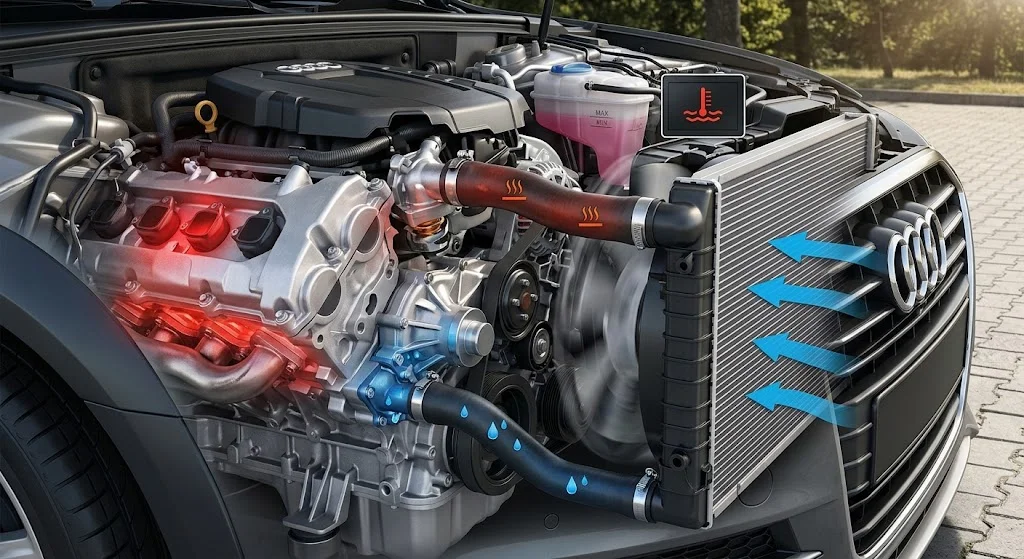
The cooling system circulates coolant through the engine to absorb excess heat. The heated coolant then travels to the radiator, where the heat is released into the surrounding air. The cooled coolant returns to the engine, and the process continues while the vehicle is running.
The radiator works together with several other components, including the thermostat, water pump, cooling fans, hoses, coolant reservoir, and pressure cap. If one of these parts develops a problem, the entire cooling system can be affected.
What Can Cause Radiator Problems?
Radiator issues do not always happen for the same reason. Wear, leaks, contamination, and problems with other cooling components can all affect performance.
Coolant Loss
If your coolant level keeps dropping, there may be a leak somewhere in the system. Possible sources include the radiator, hoses, clamps, water pump seals, or other connections.
Simply adding more coolant may solve the low level temporarily, but it will not fix the source of the leak.
Blocked Radiator Passages
Rust, deposits, or contaminated coolant can restrict the passages inside a radiator. When coolant cannot flow properly, the system may struggle to remove heat from the engine.
You might notice a rising temperature gauge, repeated overheating, discolored coolant, or changes in heater performance.
Worn or Damaged Hoses
Radiator hoses deal with heat and pressure every time the engine runs. Over time, they can become brittle, swollen, cracked, or soft.
If you notice visible damage or coolant around a hose, it is worth having the cooling system checked.
What Are the Signs of a Cooling System Problem?
Your vehicle can give you several clues when something is wrong. Watch for:
- A temperature gauge reading higher than usual
- Steam coming from under the hood
- A sweet coolant smell
- Coolant underneath the vehicle
- A heater that is not producing enough warm air
- A temperature warning light
- Frequently needing to add coolant
These symptoms do not always mean the radiator is the problem. A proper inspection can help identify the actual cause.
When Do You Need Radiator Leak Repair?
A coolant leak should not be ignored, even if it appears small. Continued coolant loss can make it harder for the cooling system to control engine temperature.
If an inspection confirms that the radiator or a related component is leaking, professional radiator leak repair may be required. The repair depends on where the leak is located and how severe the damage is.
A technician may inspect the radiator, hoses, clamps, seals, and other components before recommending the appropriate solution. If the radiator is badly damaged or corroded, replacement may make more sense than repair.
Can a Small Radiator Leak Cause Bigger Problems?
Yes. Even a small leak can gradually lower the coolant level. As coolant decreases, the engine may become harder to keep within its normal temperature range.
Continued overheating can damage important engine components. That is why it is better to investigate coolant loss early rather than waiting for the vehicle to overheat.
What Other Parts Can Cause Overheating?
The radiator is only one part of the cooling system.
Thermostat
The thermostat controls coolant flow as the engine reaches operating temperature. If it does not work correctly, coolant circulation can be affected.
Water Pump
The water pump keeps coolant moving through the engine and cooling system. A problem with the pump can contribute to poor circulation, leaks, unusual noises, and overheating.
Cooling Fan
Cooling fans help move air through the radiator, especially when the vehicle is stopped or moving slowly. A fan problem can therefore contribute to overheating in traffic or while idling.
Low Coolant
A low coolant level can reduce the system’s ability to transfer heat. Coolant may become low because of a leak, maintenance issue, or another cooling system problem.
How Is a Radiator Problem Diagnosed?
Finding the actual cause is important before replacing parts. Depending on the symptoms, an inspection may include:
- Cooling system pressure testing
- Leak detection
- Coolant inspection
- Radiator flow testing
- Thermostat testing
- Water pump inspection
- Cooling fan diagnostics
These checks can help determine whether the radiator is responsible or another component is causing the cooling problem.
How Can You Prevent Radiator Problems?
Regular maintenance can help catch cooling system issues before they become serious.
Simple habits include:
- Check coolant levels regularly.
- Use the coolant recommended for your vehicle.
- Look for cracked or swollen hoses.
- Keep radiator fins reasonably clear of debris.
- Pay attention to temperature gauge changes.
- Follow the manufacturer's maintenance recommendations.
- Investigate unexplained coolant loss.
- Avoid driving an overheating vehicle.
Is It Safe to Drive an Overheating Vehicle?
Driving while the temperature gauge is in the red is risky. Continued overheating can cause significant engine damage.
If the temperature rises sharply or you see steam coming from under the hood, pull over somewhere safe and turn off the engine. Never remove a hot radiator cap because the cooling system can be pressurized and may release scalding coolant or steam.
Frequently Asked Questions
What is a common sign of a radiator problem?
Overheating, coolant loss, steam, unusual coolant smells, and a temperature gauge that is higher than normal can all indicate a cooling system problem.
Can a radiator leak cause overheating?
Yes. A leak can reduce the amount of coolant available to remove heat from the engine, increasing the risk of overheating.
Does every coolant leak require radiator repair?
No. Coolant can leak from hoses, clamps, water pump seals, and other components. An inspection can identify the actual source.
What happens if a radiator leak is ignored?
Continued coolant loss can eventually lead to overheating. Prolonged overheating may result in serious engine damage.
How do I know if my radiator may be clogged?
Repeated overheating, poor heater performance, rising engine temperature, and discolored coolant can be possible signs of restricted coolant flow.
Can I drive with a small radiator leak?
It is better not to. A small leak can become worse and cause the coolant level to fall, increasing the risk of overheating.
How often should the cooling system be checked?
The appropriate schedule depends on your vehicle and the manufacturer's recommendations. Regular inspections during routine maintenance can help identify developing problems.
Final Thoughts
The cooling system does a lot of work to protect your engine from excessive heat. Problems with the radiator, hoses, thermostat, water pump, cooling fan, or coolant level can affect how well the system performs.
If you notice coolant loss, rising temperatures, steam, or other warning signs, getting the vehicle inspected early can help prevent a larger problem. When a leak or radiator issue is confirmed, timely radiator repair or radiator leak repair can help restore proper cooling and reduce the risk of expensive engine damage.




.webp)