Sign up with Google
 Sign in with Zoho
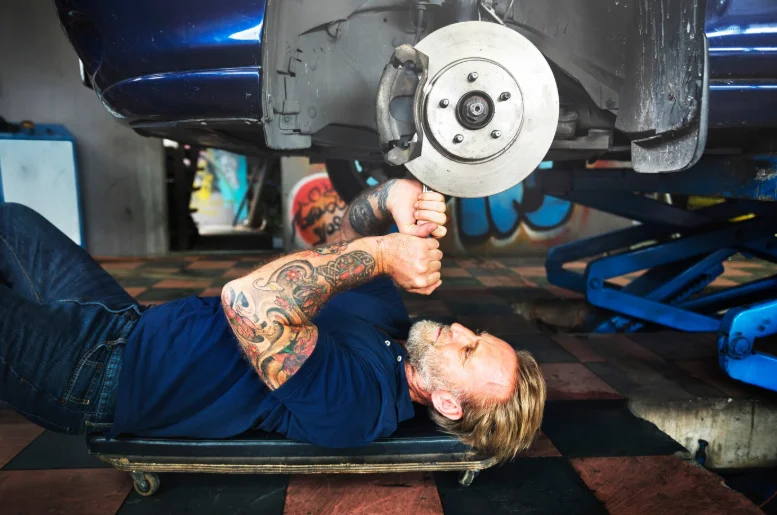
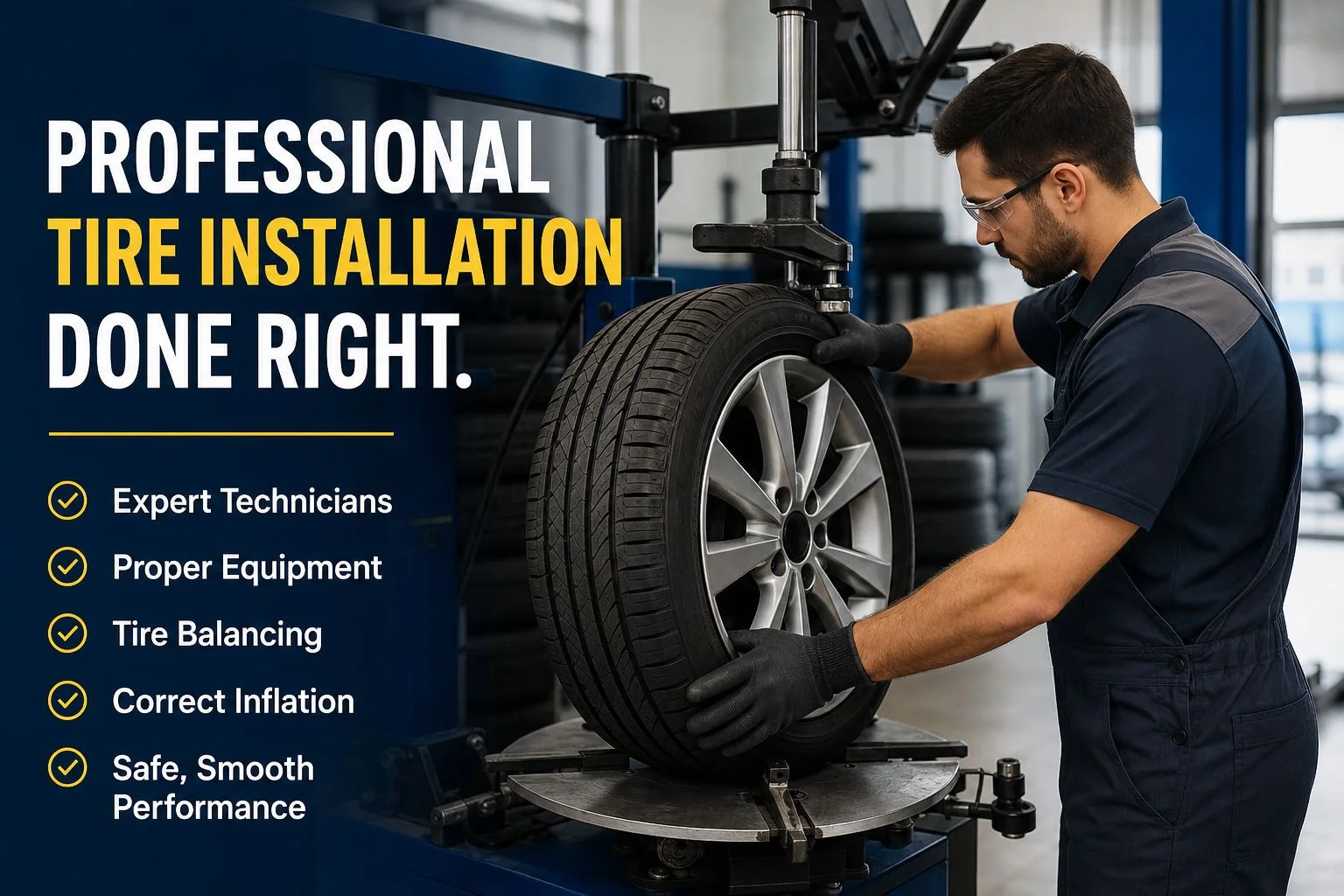
Buying tires can feel straightforward until you start comparing sizes, ratings, tread patterns, and installation options. Once you have selected the right tires, the next step is making sure they are installed correctly. A reliable installation helps your new tires start their service life on the right foot.
What makes tire installation services reliable?
Reliable tire installation services include more than simply putting new tires on a vehicle. A complete installation should involve proper mounting, balancing, inflation, wheel inspection, and final safety checks so the tire and wheel assemblies are ready for normal driving.
What happens during a tire installation?
Although the exact process can vary, professional installation generally follows a series of steps.
1. The old tires are removed
The existing tires are carefully removed from the wheels. This is also a good opportunity to inspect the wheels for visible damage.
2. The wheels are inspected
Technicians can look for cracks, bends, corrosion, or other conditions that could interfere with proper tire installation.
3. New tires are mounted
The new tires are fitted onto the appropriate wheels using specialized equipment. Care is needed to avoid damaging the tire or wheel during mounting.
4. The assemblies are balanced
The wheel and tire assembly is checked for weight imbalance. Balancing helps reduce vibration and encourages even wear.
5. Tire pressure is adjusted
Each tire is inflated to the appropriate pressure based on the vehicle manufacturer's recommendation.
6. Final checks are completed
The installation should be reviewed before the vehicle returns to the road. Lug nuts, tire seating, pressure, and general condition should all be checked.
How can I choose the right tires before installation?
Reliable installation starts with choosing tires that match your vehicle and driving needs. The correct tire size is essential, but there are several other specifications worth considering.
Look at:
- Tire size
- Load rating
- Speed rating
- Seasonal requirements
- Tread design
- Expected mileage
- Typical driving conditions
For example, a driver who spends most of the week commuting through city traffic may have different priorities than someone who regularly drives long highway distances.
The owner's manual and vehicle doorjamb label are useful starting points for identifying manufacturer-recommended specifications.
What should I check after installation?
Before leaving the shop, take a moment to make sure the basic details are correct. Confirm that the tires are the intended size and that the inflation pressure has been checked.
During your first few drives, pay attention to the vehicle's behavior. New tires should not normally create significant vibration or unusual steering behavior.
Contact a professional if you notice:
- Strong vibration
- Persistent pulling
- Unusual tire noise
- Steering changes
- Rapid or uneven tread wear
- A tire that repeatedly loses pressure
These symptoms may indicate an installation concern or another vehicle problem that needs attention.
How do I maintain newly installed tires?
Good maintenance can make a significant difference in tire performance. Tire pressure should be checked regularly because pressure naturally changes with temperature and over time.
Tire rotation can also help distribute wear more evenly, particularly on vehicles where the front and rear tires experience different loads.
It is equally important to inspect tread depth and look for visible damage. A nail, cut, bulge, or slow leak should be addressed rather than ignored.
Proper alignment is another factor worth considering. If tires wear more quickly on one edge, an alignment or suspension issue may be contributing to the problem.
FAQ
Do I need an alignment when installing new tires? Not automatically. However, an alignment inspection can be useful when tires show uneven wear or the vehicle pulls to one side.
How often should tire pressure be checked? Checking at least once a month and before longer trips is a practical routine. Always follow the vehicle manufacturer's recommended pressure.