Sign up with Google
 Sign in with Zoho
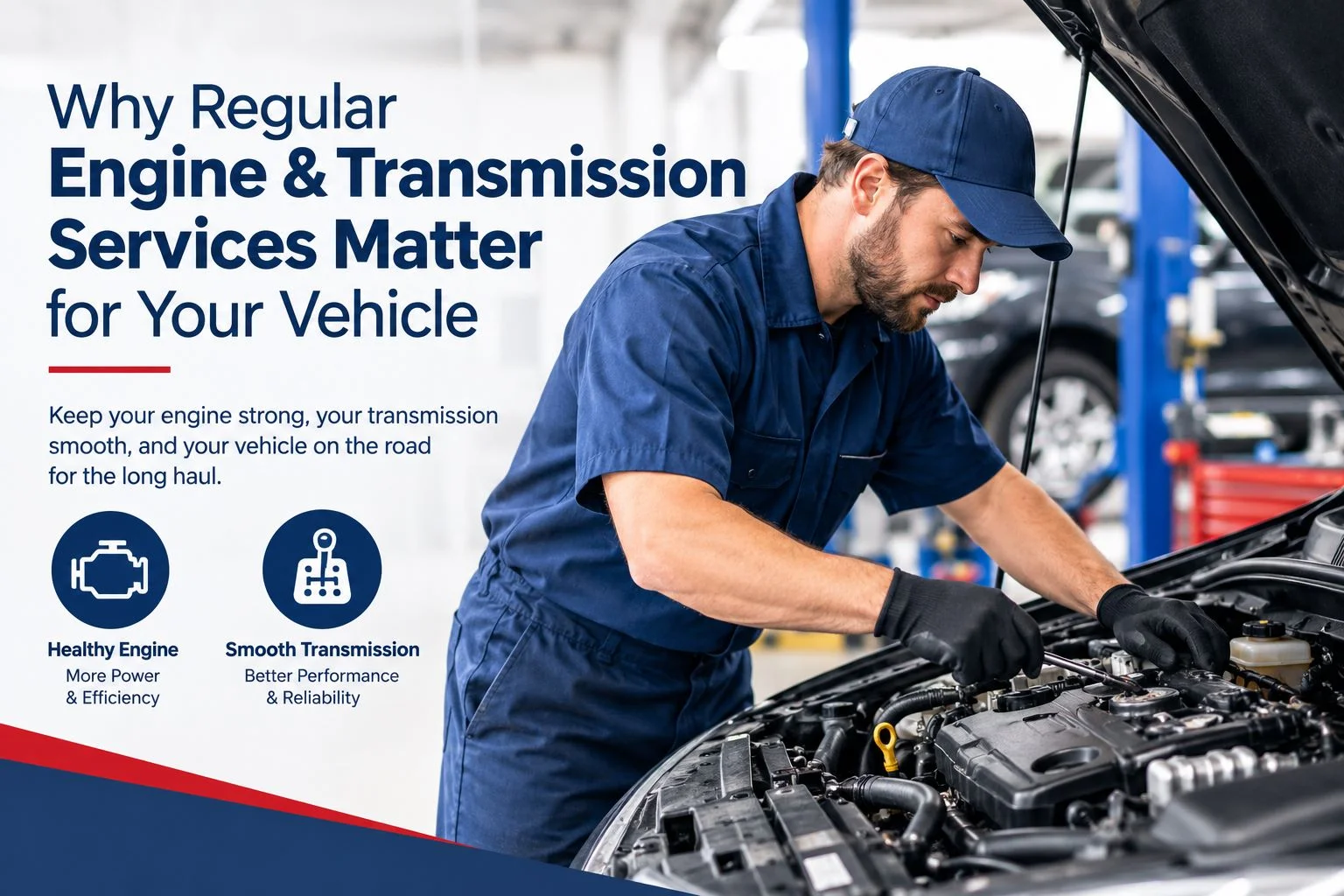
Why Regular Engine & Transmission Services Matter for Your Vehicle
Your engine and transmission are two of the most important systems in your vehicle. The engine produces the power needed to move the car, while the transmission transfers that power to the wheels. When either system develops a problem, the effects can range from poor performance to expensive repairs.
Regular maintenance gives you a better chance of catching small problems before they become major mechanical failures. It also helps your vehicle operate more efficiently and provides a smoother driving experience.
Why are regular engine and transmission services important?
Direct Answer
Regular Engine & Transmission Services help identify wear, fluid problems, leaks, and performance issues before they lead to serious damage. Routine inspections and maintenance can improve reliability, support smoother operation, and potentially reduce the risk of unexpected and expensive repairs.
Protecting the Engine
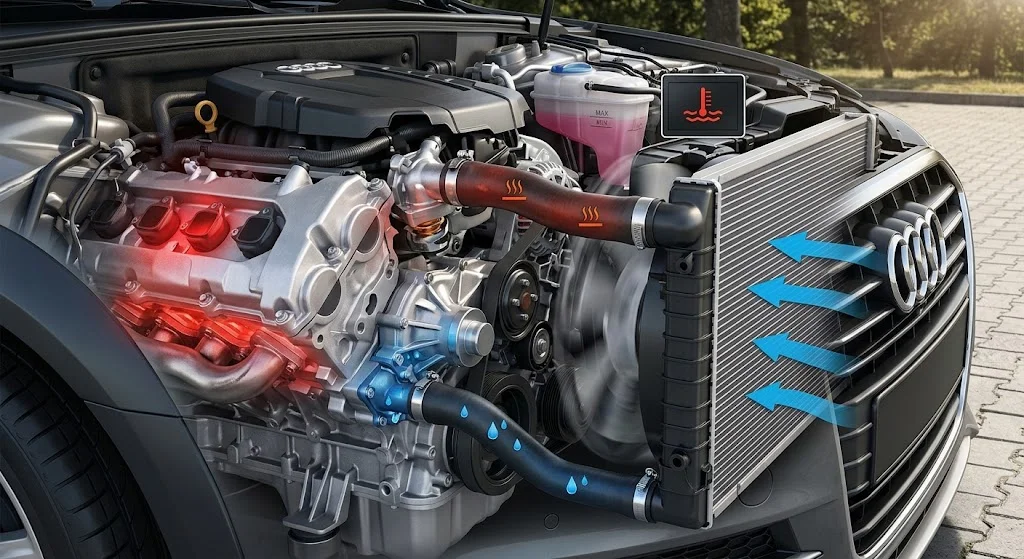
The engine contains many moving parts that operate under high temperatures and pressure. Oil and other fluids play an important role in keeping these components lubricated and protected.
Over time, engine oil becomes contaminated and loses some of its ability to protect internal components. Filters can become clogged, seals can wear, and leaks may develop. Ignoring these issues can eventually affect engine performance.
Regular maintenance may include:
- Checking engine oil and fluid levels
- Inspecting for leaks
- Replacing worn filters
- Checking belts and hoses
- Inspecting components for signs of excessive wear
- Checking for unusual engine noises or performance changes
These simple checks can help identify problems while they are still manageable.
Keeping the Transmission Healthy
The transmission is responsible for transferring engine power to the wheels and changing gears according to driving conditions. Automatic and manual transmissions have different designs, but both require proper maintenance.
Transmission fluid is especially important in many vehicles. It helps lubricate internal components, manage heat, and support proper operation. Old, contaminated, or insufficient fluid can contribute to shifting problems and accelerated wear.
A transmission inspection may look for:
- Fluid leaks
- Low or contaminated fluid
- Delayed gear engagement
- Rough shifting
- Unusual noises
- Warning lights
- Signs of overheating
Addressing these symptoms early can help prevent further damage.
What happens when you ignore engine or transmission problems?
Small mechanical problems do not always remain small. A minor fluid leak, for example, can eventually lead to low fluid levels. Continued driving with inadequate lubrication can increase friction and heat, potentially causing significant component damage.
Similarly, ignoring transmission symptoms such as slipping or harsh shifting can allow the underlying issue to worsen.
Some warning signs deserve prompt attention:
- The check engine or transmission warning light comes on.
- The engine begins using excessive oil.
- The vehicle struggles to accelerate.
- Gears shift roughly or unexpectedly.
- You notice fluid underneath the vehicle.
- The engine overheats.
- You hear knocking, grinding, whining, or other unusual sounds.
Not every warning sign means the vehicle needs a major repair. Proper diagnosis is important because the same symptom can have several possible causes.
Maintenance can support long-term reliability
Following the manufacturer's maintenance recommendations is one of the simplest ways to take care of your vehicle. Service intervals vary by vehicle, engine type, transmission, mileage, and driving conditions.
Drivers who frequently deal with heavy traffic, extreme temperatures, towing, or short trips may need to pay closer attention to maintenance requirements.
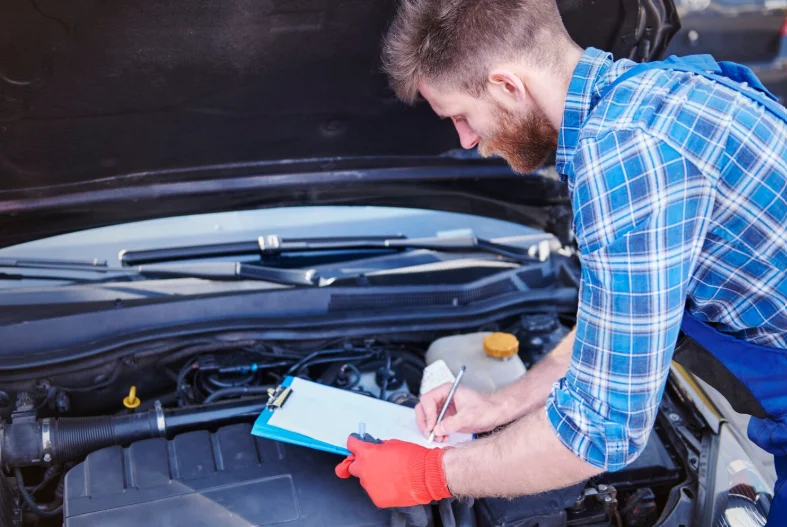
It is also helpful to keep service records. A maintenance history allows technicians to understand what has already been completed and helps vehicle owners keep track of upcoming services.
FAQ
How often should engine and transmission maintenance be performed?
The correct interval depends on the vehicle. Check the owner's manual for manufacturer recommendations and have the vehicle inspected if you notice symptoms between scheduled services.
Can regular maintenance prevent all engine or transmission problems?
No maintenance program can prevent every failure, but regular inspections and proper servicing can help identify developing issues earlier and reduce unnecessary wear.