
 Sign up with Google
 Sign in with Zoho


Have you ever wondered why some auctions start with a low price and keep going higher, while others begin with an expensive price that slowly comes down? It all depends on the type of auction being used.
Auctions have been around for a long time, but the way people participate in them has changed. Earlier, buyers usually had to visit an auction house, listen to an auctioneer, and place their bids in person. Today, many auctions happen online, allowing people to buy and sell products without being in the same location.
From second-hand furniture and rare coins to cars, property, and expensive artwork, auctions are used in many industries. However, choosing the right bidding method is important. Understanding the different Types of Auctions can help you avoid confusion and decide which format works best for your needs.
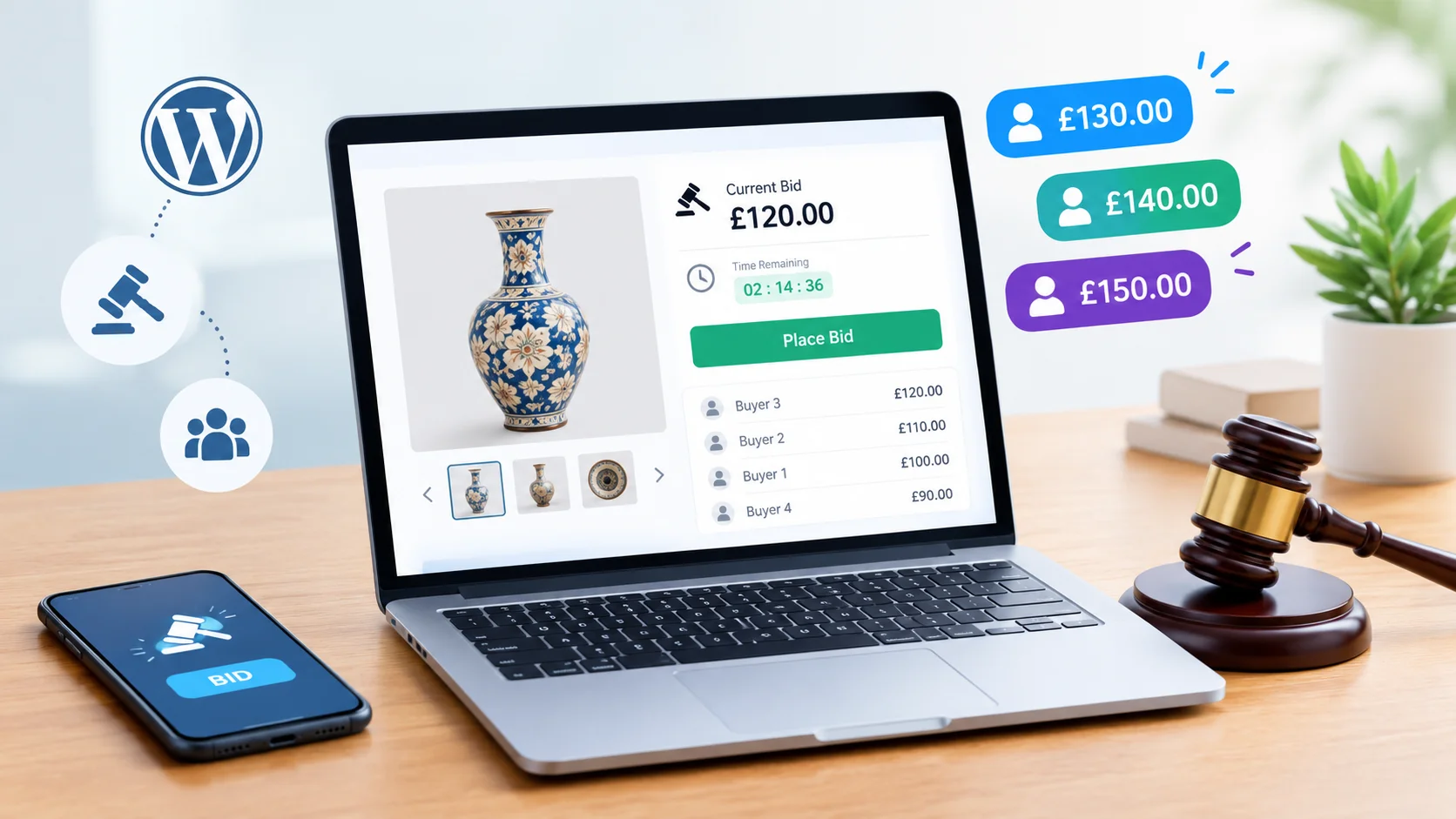
If you are thinking about starting an online auction business, Auction Plugin can also help you bring auction functionality to your WordPress website. But before getting into the technical side, let's look at how these auctions actually work.
Why Do Auctions Have Different Bidding Methods?
Imagine you want to sell an old painting. You know it is valuable, but you are unsure how much someone would be willing to pay for it. An auction gives interested buyers an opportunity to make offers, and competition may help you discover its market value.
Both situations involve auctions, but they need completely different bidding methods.
That is why auction formats have different rules. Some are designed to help sellers receive higher offers, while others help buyers find competitive prices.
8 Common Auction Types Explained with Simple Examples
1. English Auction: When Buyers Keep Increasing Their Bids
This is probably the auction format most people are familiar with.
The seller starts with an opening price, and buyers take turns offering higher amounts. Everyone can see the current highest bid, so participants know what they need to offer if they want to stay in the competition.
For example, a seller lists a vintage watch with a starting price of £100. One buyer offers £120, another offers £150, and someone else increases it to £180.
The bidding continues until nobody wants to offer more. The highest bidder wins.
This format is commonly used for artwork, antiques, jewellery, and collectibles.
2. Dutch Auction: When the Price Comes Down
A Dutch auction works in the opposite way.
Instead of starting low and increasing the price, the auction begins with a high amount. The price gradually decreases until someone agrees to purchase the item.
Let's say a seller starts with a product price of £500. If nobody accepts it, the price may drop to £450 and then £400.
The first buyer to accept the displayed price wins.
This format is useful when sellers want to move products quickly. Buyers also need to make quick decisions because waiting for a lower price could mean losing the item.
3. Sealed-Bid Auction: Making Offers in Private
Not everyone likes bidding in front of other people. A sealed-bid auction offers a different experience.
Here, each participant submits their offer privately. Nobody knows what the other buyers have offered until the bidding period ends.
Once all offers are collected, the seller reviews them and selects the winner according to the auction rules.
This format is often used for property sales, government contracts, and business opportunities.
It also means buyers must think carefully about their offers because they cannot simply increase their bids after seeing what someone else has offered.
4. First-Price Auction: The Winner Pays Their Own Bid
A first-price auction is a common form of sealed-bid auction.
Everyone submits a private offer, and the person offering the highest amount wins. However, the winner must pay the exact amount they offered.
For example, three buyers submit offers of £300, £450, and £600. The buyer offering £600 wins and pays £600.
It sounds simple, but deciding how much to offer can be difficult. A buyer may lose by offering too little or pay more than necessary by offering too much.
5. Second-Price Auction: Paying Less Than Your Winning Bid
A second-price auction also uses private offers, but the payment rule is different.
The highest bidder wins, but pays the second-highest bid rather than their own offer. This is known as a Vickrey auction.
For example, if one buyer offers £800 and another offers £650, the highest bidder wins but pays £650 under the standard rules.
This format is interesting because participants do not necessarily need to guess the exact amount their competitors will offer. It is mainly discussed in auction theory and is used in certain specialised bidding systems.
6. Reserve Price Auction: Giving Sellers More Control
Sometimes sellers have a price in mind below which they simply do not want to sell.
This is where a reserve price auction becomes useful.
A reserve price is the minimum amount a seller is willing to accept. The auction can start at a lower price, but the sale is not guaranteed unless the reserve requirement is met.
For example, someone selling an antique table may start bidding at £100 but set a reserve price of £400.
If the highest bid reaches only £350, the seller generally has the option not to sell.
This approach is particularly useful for expensive products, rare collectibles, and property.
7. No-Reserve Auction: Selling to the Highest Bidder
A no-reserve auction is quite different because there is no minimum price that buyers must reach.
The highest valid bidder generally wins when the auction ends, even if the final amount is lower than the seller originally expected.
Why would a seller choose this method?
Sometimes the main goal is to sell an item quickly rather than wait for a particular price. This approach can also attract buyers who appreciate knowing that there is no hidden minimum selling price.
It is often used for clearance sales, surplus stock, and liquidation events.
8. Reverse Auction: When Sellers Compete Instead
A reverse auction turns the traditional bidding process around.
Instead of buyers competing to offer more money, sellers compete to offer lower prices.
For example, imagine a restaurant looking for a supplier of packaging materials. It invites several suppliers to submit their prices. Each supplier tries to offer a better deal to win the business.
The restaurant can compare the offers and choose the supplier that best meets its requirements.
Reverse auctions are commonly used in procurement, construction, manufacturing, and business purchasing.
How Do You Know Which Auction Is Right for You?
There is no single auction format that works for everyone. It depends on what you want to achieve.
If you are selling a unique product and want buyers to compete, an English auction is a good option to consider. If you are selling something valuable and do not want to accept a low offer, a reserve price auction may be more suitable.
For businesses purchasing products from suppliers, reverse auctions can help compare prices. Meanwhile, sealed-bid auctions are useful when you want participants to make independent offers.
Before choosing, consider your product, target audience, expected demand, and the amount of control you want over the selling process.
Want to Start Your Own Online Auction Website?
Running an auction website can be an interesting business opportunity. You could create a platform for selling used products, collectibles, electronics, artwork, or other items.
However, managing bids manually becomes difficult when more buyers and sellers start joining your website.
This is where Auction Plugin can help. It allows WordPress website owners to introduce auction functionality without building an entire bidding system from scratch.
Instead of developing everything yourself, you can use an auction plugin to bring bidding features to your existing website.
Whether you are starting a small auction store or planning a larger marketplace, choosing the right website solution can make the process easier.
Frequently Asked Questions
1. Which type of auction is most commonly used?
English auctions are among the most familiar formats. Buyers openly increase their offers until nobody is willing to bid higher.
2. What is the easiest auction method for beginners?
An English auction is generally easy to understand because buyers can see the current highest bid and decide whether they want to offer more.
3. What is the difference between a reserve and a no-reserve auction?
A reserve auction has a minimum acceptable price set by the seller. A no-reserve auction generally sells to the highest valid bidder without requiring a minimum price.
4. Can auctions be conducted online?
Yes. Online auctions allow buyers to register, view products, place bids, and participate remotely through an auction website.
5. Why do businesses use reverse auctions?
Businesses use reverse auctions to invite multiple suppliers to compete by offering lower prices. This can help them find competitive deals when purchasing products or services.
6. Is a sealed-bid auction better than an open auction?
It depends on the situation. Sealed-bid auctions are useful when offers should remain private, while open auctions allow buyers to respond to competing bids.
7. Can I create an auction website using WordPress?
Yes. WordPress supports auction websites through specialised plugins. Auction Plugin is one option for adding bidding functionality without developing the complete system yourself.
Final Thoughts
Auctions may look simple from the outside, but the bidding method can make a big difference to the final result. Some formats encourage buyers to compete openly, while others focus on private offers, quick sales, or competitive supplier pricing.
If you are planning to buy or sell through an auction, take a little time to understand the rules before participating. Choosing the right format can make the experience easier and help you avoid unnecessary confusion.
And if you are planning to build an online auction business, start with a clear idea of what you want to sell and who you want to reach. With Auction Plugin, you can bring auction functionality to your WordPress website and start building your own online bidding experience.















.webp)