Sign up with Google
 Sign in with Zoho

Selling something at an auction can be exciting. You list a product, wait for buyers to show interest, and watch the bids increase. Whether you are selling an old watch, a piece of furniture, electronics, or valuable collectibles, getting a good offer always feels rewarding.
But there is something many sellers realise only after completing their first few auctions: the winning bid is not always the amount they take home.
Auction platforms may charge commissions, listing fees, payment processing costs, and other expenses. These charges might look small individually, but together they can make a noticeable difference.
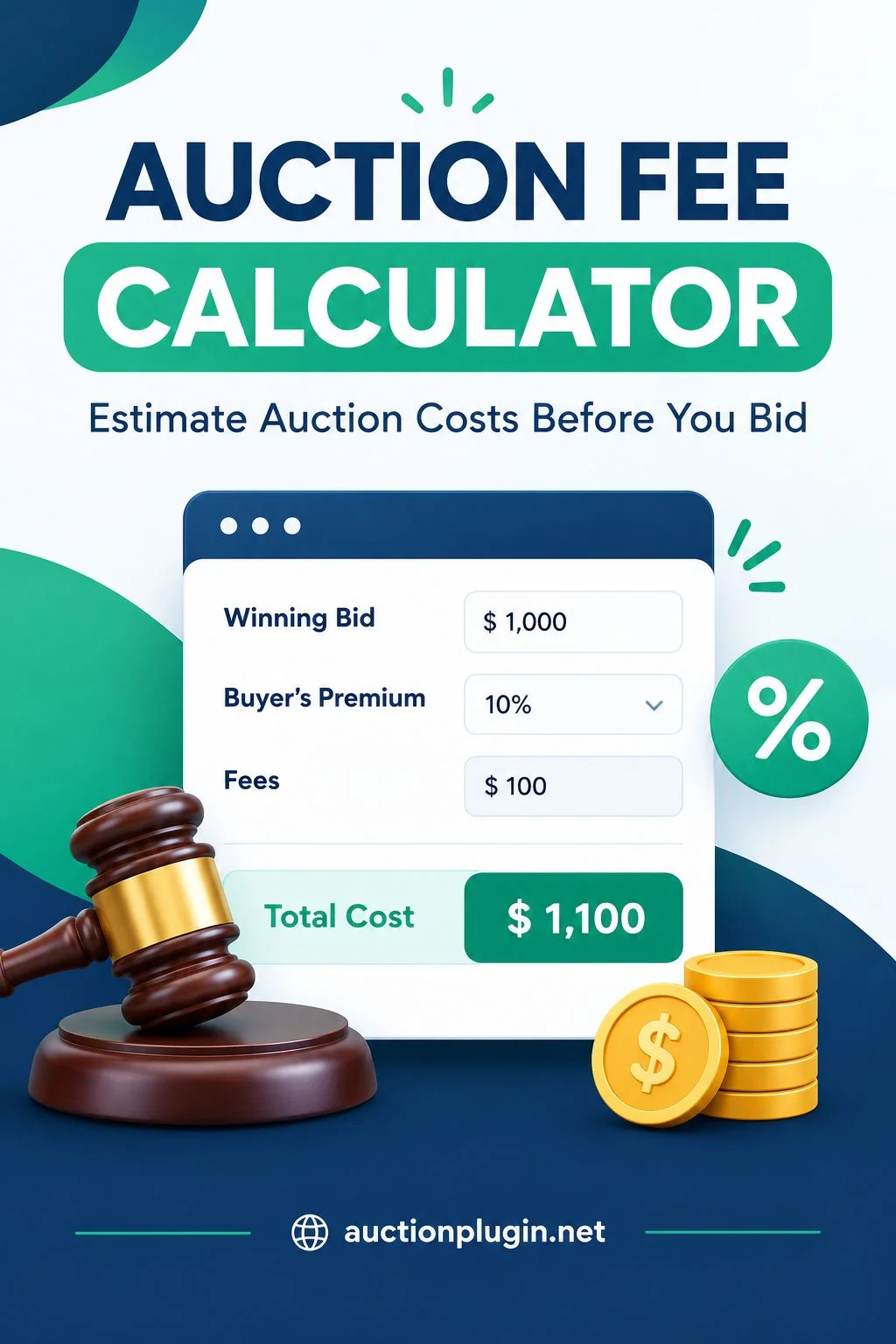
That is why it makes sense to understand your costs before putting an item up for sale. A Free Auction fee calculator can help you estimate these expenses and avoid relying on guesswork.
Let's look at how auction fees work, what sellers should watch out for, and how a little preparation can make selling easier.
A High Winning Bid Doesn't Always Mean a Good Profit
Imagine you have an old camera that you no longer use. You decide to sell it through an online auction, and after several bids, it finally sells for $700.
Naturally, you feel happy with the result. But then the platform deducts its commission, the payment provider charges a transaction fee, and you discover that there was also a listing charge.
Suddenly, the amount you receive is not quite what you expected.
This happens because sellers sometimes focus too much on the selling price and forget about the expenses involved.
The problem becomes even more noticeable when you sell regularly. If you manage several auctions every month, small deductions can gradually add up.
Knowing these costs beforehand gives you a much clearer idea of whether a sale is actually worthwhile.
What Are You Really Paying For When You Sell at an Auction?
Not every auction website charges sellers in the same way. Some have straightforward pricing, while others include several different fees.
Understanding the common charges makes it easier to plan.
Seller Commission
This is one of the most familiar auction expenses. A platform may take a percentage of the final selling price as its commission.
For example, if your item sells for $1,000 and the commission is 5%, you pay $50.
The actual percentage depends on the platform and its terms.
Listing Fees
Some websites charge sellers simply for putting an item up for auction.
You may have to pay this amount even if nobody places a winning bid. This is worth checking, especially if you regularly list products.
Payment Processing Fees
When a buyer pays online, the payment provider may charge a transaction fee.
The amount can depend on the payment method and provider. It is easy to overlook this expense because it may appear separately from the auction platform's commission.
Extra Charges for Promotion
Some platforms allow sellers to highlight their listings or pay for additional visibility.
These options can be useful, but they are not always necessary. Think about the value they offer before spending extra money.
Let's Calculate What You Might Actually Receive
Sometimes, a simple example explains auction fees better than a complicated explanation.
Suppose you sell a vintage table for $900. Your auction platform charges 6% commission, payment processing costs $15, and the listing fee is $5.
Here is how the numbers look:
So, although the table sells for $900, you receive $826 after the listed charges.
Remember, this is not your actual business profit. If you originally purchased the table, paid for repairs, or arranged delivery, those expenses also need to be considered.
This is exactly why checking your numbers before an auction can save you from disappointment later.
When Is the Right Time to Calculate Auction Fees?
The best time is before you publish your listing, not after the sale is complete.
If you are selling something valuable, calculate the possible expenses before deciding on your starting price. This helps you understand what selling price would make the transaction worthwhile.
It is also useful when comparing auction websites. A platform with lower commission charges might seem attractive, but you should look at its complete pricing structure rather than one percentage.
For regular sellers, checking fees before every new selling campaign is a sensible habit. Platform charges can change, and old calculations may no longer be accurate.
How Can Auction Plugin Make Things Easier?
If you are planning to build or manage an auction website, having practical tools available can make everyday tasks less complicated.
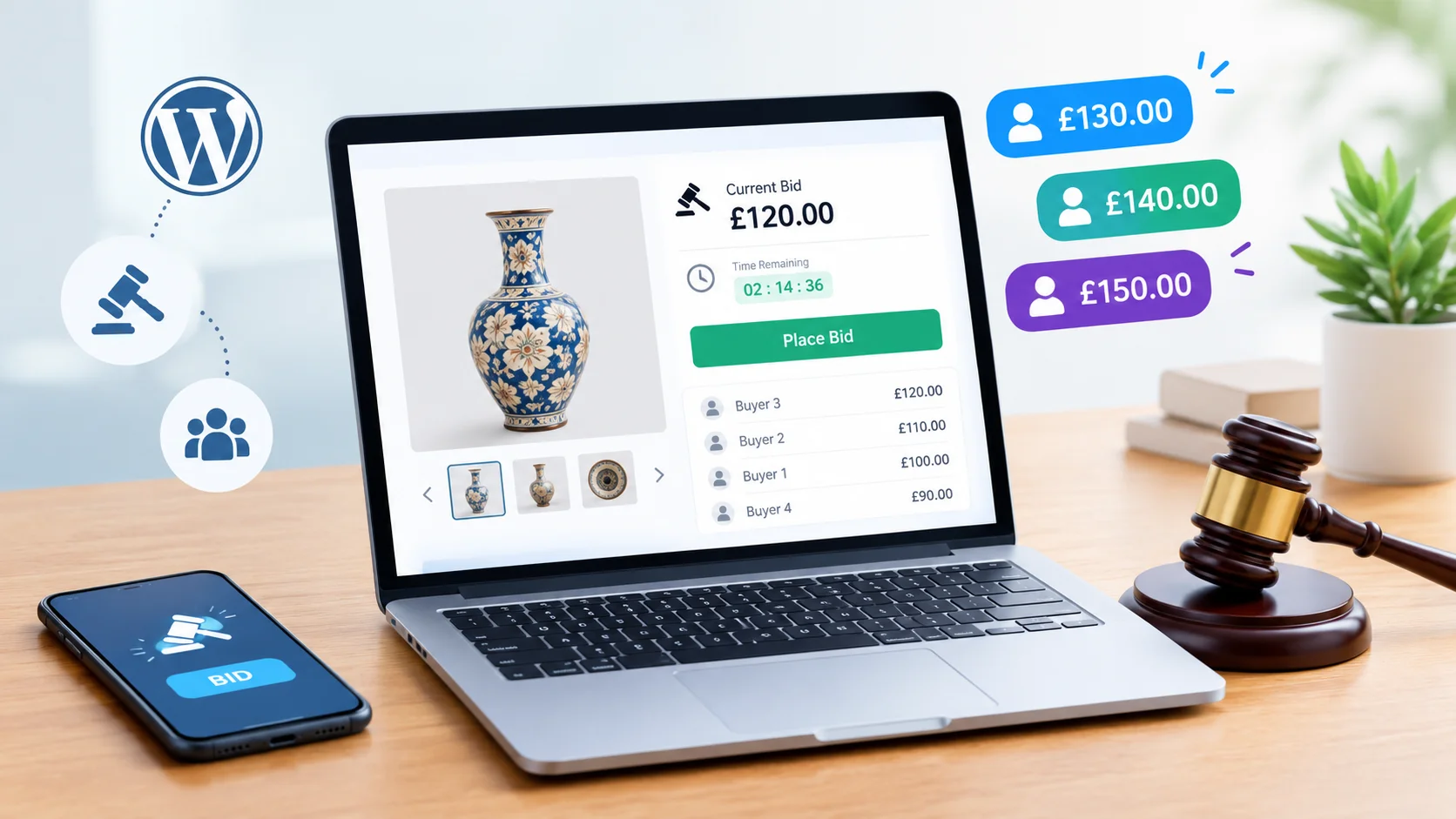
Auction Plugin offers auction-related solutions for WordPress website owners who want to bring bidding functionality to their websites.
Its online auction fee calculator is useful for people who want to estimate possible auction expenses without repeatedly working through manual calculations.
This can help sellers understand how different charges affect their expected payments and make more informed decisions.
Of course, calculating fees is only one part of running a successful auction. Clear product descriptions, fair bidding rules, reliable payments, and a smooth user experience are equally important.
The idea is to make the entire process easier to understand for everyone involved.
A Few Habits That Can Help You Avoid Unnecessary Expenses
You do not need a complicated financial plan to manage auction costs. A few simple habits can make a difference.
First, always read the platform's fee policy before creating an account or publishing products. Do not assume that the charges will be the same everywhere.
Second, keep a record of your completed auctions. Write down the final selling price, commission, payment charges, and other expenses. After a few transactions, you will have a better understanding of your selling costs.
Third, be careful with optional promotions. Paying for extra visibility may help some products, but it does not guarantee a higher selling price.
Finally, remember that the amount left after auction fees is not necessarily your profit. Product costs, shipping, packaging, and taxes may still need to be deducted.
Frequently Asked Questions
1. Is an auction fee calculator useful for someone selling only one item?
Yes. Even if you are selling just one product, calculating the possible charges helps you understand how much money you may receive after deductions.
2. Why do auction platforms charge sellers?
Platforms may charge fees for providing listing services, managing auctions, processing transactions, and offering additional features. The exact charges depend on their business model.
3. Can auction fees be different for different products?
Yes. Some platforms have different commission structures depending on the product category, selling price, or seller account.
4. Do I have to pay listing fees if my product doesn't sell?
That depends on the auction website. Some charge listing fees regardless of the outcome, while others offer different arrangements.
5. How can I know whether an auction sale is profitable?
Start with the final selling price and subtract all applicable expenses, including auction fees, product costs, shipping, and other business expenses.
6. Can I use an auction fee calculator before choosing a starting bid?
Yes. Estimating possible expenses before setting your starting bid can help you make a more sensible pricing decision.
7. Are free auction fee calculators suitable for professional sellers?
Yes. They can be useful for both occasional and professional sellers who want to estimate transaction expenses and plan their selling activities.
Final Thoughts
Selling through auctions should be about more than simply getting the highest bid. You also need to know what happens to that money after the transaction is complete.
Auction commissions, listing fees, and payment charges can all affect your earnings. Ignoring them may lead to unrealistic expectations, especially when you sell multiple products.
Taking a few minutes to calculate your expenses before publishing a listing can make the entire process easier.
A free auction fee calculator is a simple but useful way to get a better understanding of your selling costs. With the right planning and helpful tools from Auction Plugin, you can manage your auction activities more confidently and make decisions based on realistic numbers.





.webp)