Sign up with Google
 Sign in with Zoho

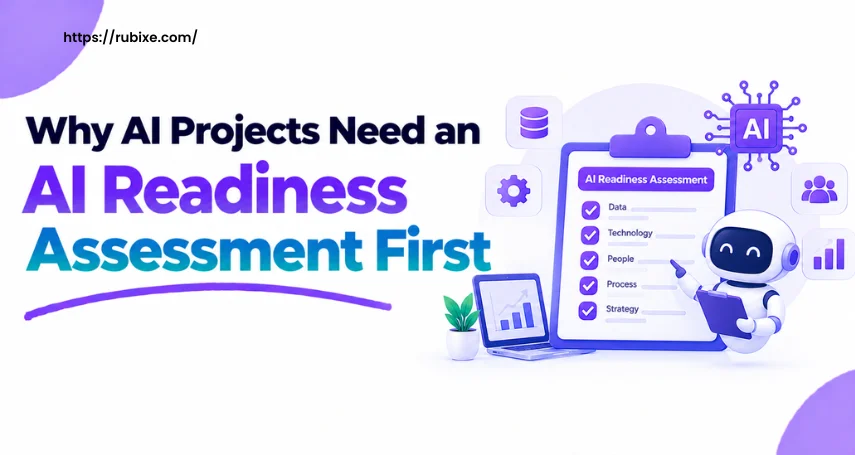
A business buys an AI tool, rolls it out with high expectations, and the project later stalls. The technology may not be the main problem. Infrastructure, data, integration, and team readiness can determine whether the system works in practice, which is why AI readiness assessment matters more than most businesses initially assume.
What Does It Actually Mean for a Business to Be AI Ready?
AI readiness assessment refers to whether a business's infrastructure, data, security posture, and team skills can support AI adoption, not just whether the budget exists to buy AI tools. A proper readiness assessment covers several areas. It checks whether IT systems can support the workload. It reviews data quality and accessibility. It examines security and compliance controls. It looks at team skills and AI literacy.
It also checks whether proposed AI projects are realistic and tied to actual business goals. Instead of jumping straight into new tools, this kind of assessment gives a business a clearer picture of what needs fixing first.
Why Does IT Infrastructure Matter So Much for AI?
Some AI workloads can be data-intensive and compute-heavy, while others rely mainly on external cloud-based AI services. The infrastructure needed depends on the type of AI system, data volume, integration requirements, and whether processing happens internally or through a cloud provider.
A business running AI on outdated servers or fragmented systems can experience delays that have less to do with the AI model itself and more to do with the foundation underneath it.
What Are the Core Areas an AI Readiness Assessment Should Cover?
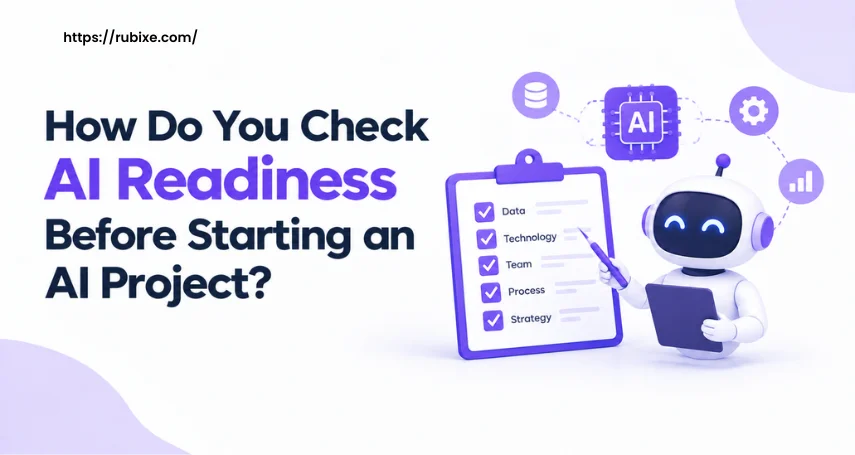
Infrastructure readiness: Server capacity, cloud scalability, storage, and network performance all affect whether systems can support the specific AI workload involved.
Data readiness: Clean, accurate, well-governed data gives AI systems a stronger foundation than inconsistent or poorly managed data spread across disconnected systems.
System integration: AI systems can be more useful when they connect reliably with existing CRM, ERP, and other business platforms instead of operating in isolation.
Security and compliance: Encrypting sensitive data, managing access controls, and meeting relevant regulations become more important as AI touches more business data. Businesses should also review what data is sent to third-party AI services, who can access AI outputs, and how sensitive information is stored or retained.
Team and talent readiness: Even strong infrastructure can underperform if the people using AI systems lack the training or clarity on their roles.
Use case prioritization: Not every AI idea delivers equal value, so weighing feasibility, expected impact, and data availability helps focus effort where it matters most.
How Can a Business Actually Gauge Its Own AI Maturity?
A simple maturity model can help businesses describe their current position. The levels below are a practical framework rather than a universal industry standard.
Businesses starting this process may sit in the earlier stages, which is normal. The value of mapping this out is knowing which gaps to address next rather than guessing at overall readiness.
What Should a Business Fix Before Starting an AI Project?
What Mistakes Do Businesses Commonly Make Before Adopting AI?
Common missteps include skipping a readiness assessment entirely and moving straight to implementation, ignoring data quality or system integration issues, overlooking security and compliance requirements, underestimating how much training teams actually need, and selecting AI use cases without weighing expected return against feasibility.
Addressing these areas before implementation can reduce avoidable problems during adoption and give teams a clearer implementation plan.
Why Does Running an AI Readiness Assessment Actually Pay Off?
A structured assessment can surface gaps before deployment, giving teams a clearer basis for planning implementation. It can also reduce the risk of investing in tools or workflows that do not match the business's data, infrastructure, or actual needs.
An AI consulting company can use this type of framework to review infrastructure, data, integration, security, and team readiness before recommending specific AI initiatives. For a more detailed framework, read our guide to conducting an AI readiness audit.
FAQs
What is an AI readiness audit?
It's a structured assessment that evaluates a business's IT infrastructure, data quality, team skills, and governance to determine whether it's genuinely prepared for AI adoption.
Why does infrastructure matter so much for AI readiness?
The infrastructure needed depends on the type of AI system involved. Some workloads require strong server capacity and cloud scalability, while others rely mainly on external AI services with lighter infrastructure needs.
What are the main steps in assessing AI readiness?
Assessing infrastructure, evaluating data quality, checking system integration, reviewing security and compliance, training teams, and prioritizing use cases based on feasibility and expected impact.
How can a business tell where it stands on AI readiness?
A practical maturity model, ranging from foundational to advanced, combined with a readiness checklist, helps a business identify specific gaps rather than guessing at overall readiness.
Conclusion
AI readiness assessment isn't a formality before the real work begins. It's the foundation that can determine whether an AI initiative delivers results or stalls partway through.
Businesses that assess infrastructure, data, and team readiness before adopting AI tend to have a clearer implementation plan and fewer avoidable surprises along the way.






.webp)