Sign up with Google
 Sign in with Zoho

The lending industry has undergone a remarkable digital transformation over the past decade. Traditional paper-based loan processing and manual record management are quickly being replaced by intelligent software solutions that streamline operations and improve customer experiences. One of the most important technologies driving this change is the Loan Management System (LMS).
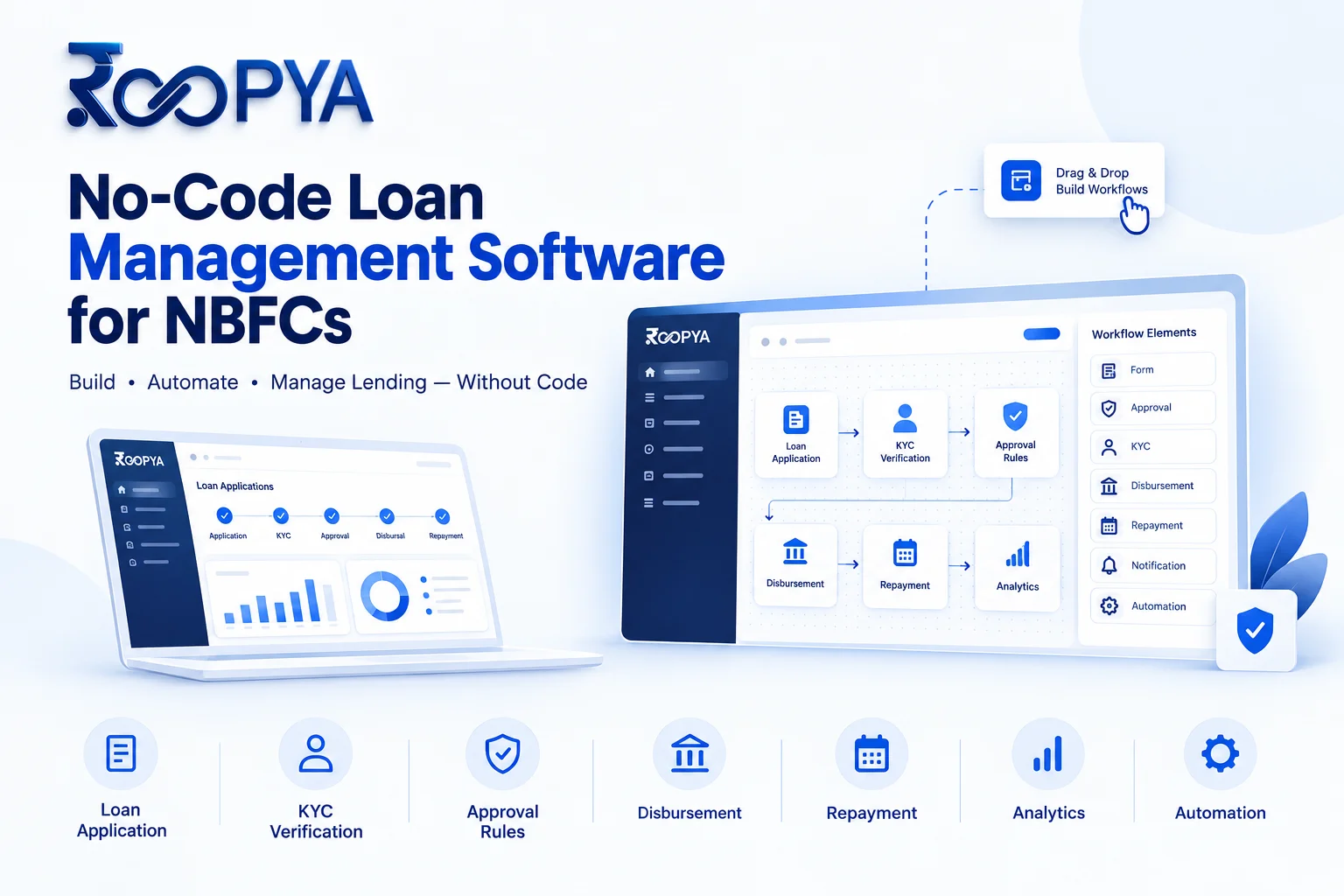
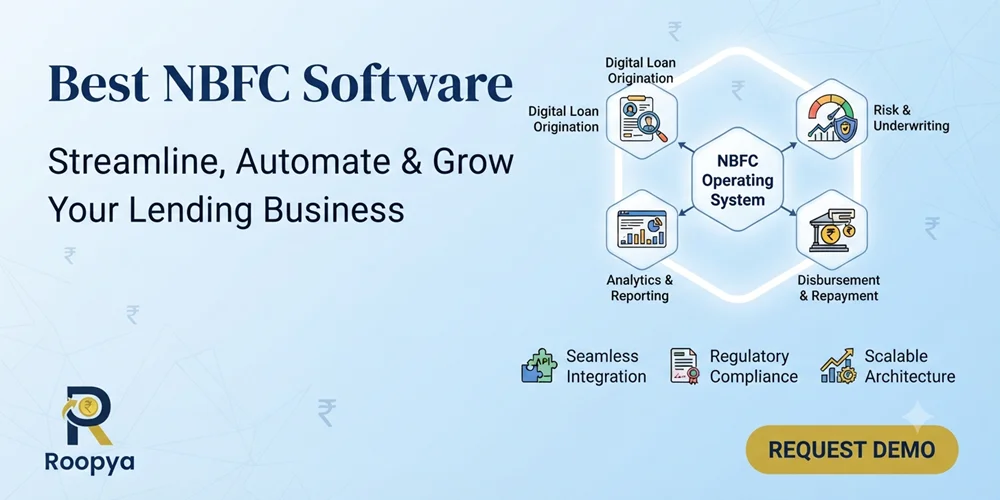
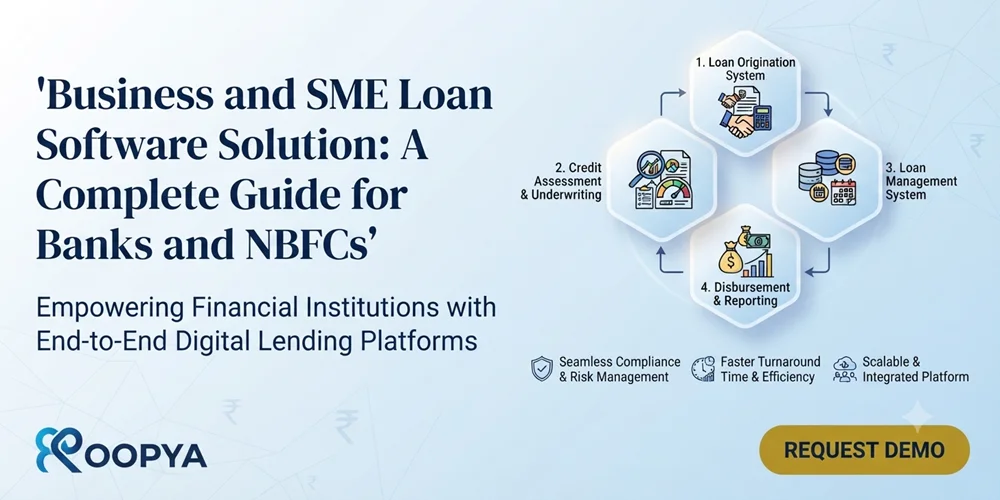
A Loan Management System helps banks, NBFCs, fintech companies, microfinance institutions, cooperative societies, and digital lenders automate the complete loan lifecycle—from customer onboarding and loan approval to EMI tracking, collections, reporting, and loan closure.
Whether you manage personal loans, business loans, vehicle loans, education loans, gold loans, or MSME financing, implementing the right Loan Management System can significantly improve operational efficiency while reducing risks and costs.
This guide explains everything you need to know about Loan Management Systems, including their features, benefits, workflows, and why they are becoming essential for modern lenders.
What Is a Loan Management System?
A Loan Management System is software designed to automate and simplify the administration of loans throughout their lifecycle.
Instead of maintaining spreadsheets and manual records, lenders can use a centralized platform to:
- Process loan applications
- Verify customer details
- Generate repayment schedules
- Track outstanding balances
- Monitor EMI payments
- Calculate interest automatically
- Manage penalties and overdue accounts
- Generate reports
- Maintain regulatory compliance
The software acts as the operational backbone of lending institutions by integrating multiple business functions into a single digital platform.
Why Modern Lenders Need Loan Management Software
As lending portfolios grow, manual management becomes increasingly difficult.
Without automation, organizations often face:
- Human errors in calculations
- Delayed EMI tracking
- Compliance challenges
- Missing documentation
- Slow customer service
- Collection inefficiencies
- Data duplication
- Operational bottlenecks
A Loan Management System eliminates these problems by creating standardized workflows and providing real-time visibility into every loan account.
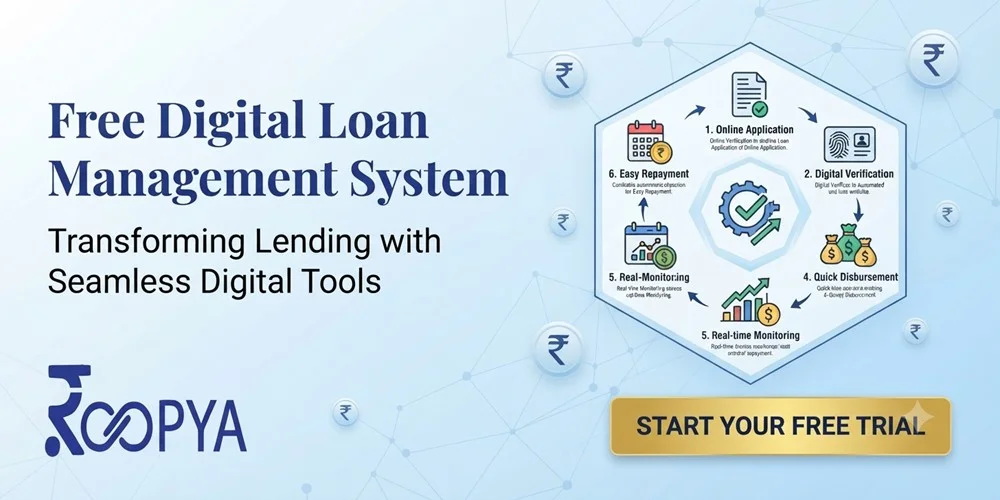
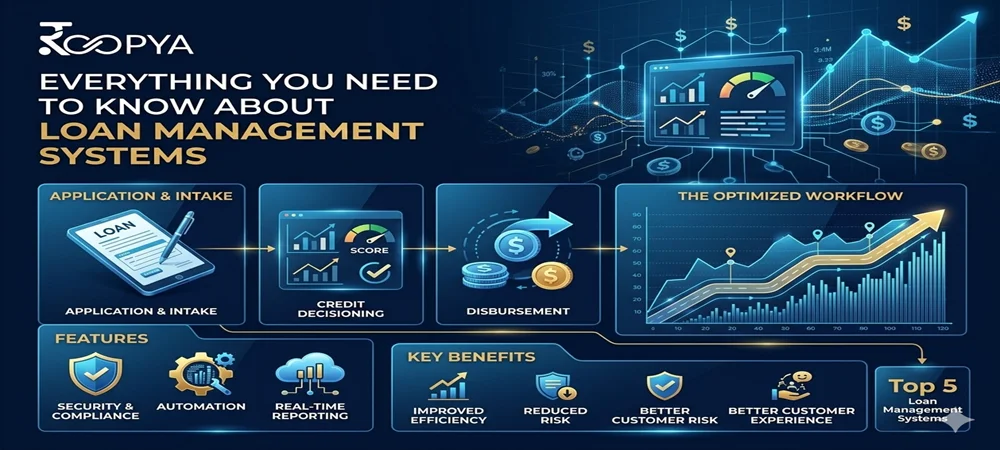
How Does a Loan Management System Work?
The system manages every stage of the lending journey.
1. Customer Registration
Borrowers submit their personal and financial details digitally.
The platform securely stores customer information for future processing.
2. Loan Application
Applicants choose the loan amount, tenure, and repayment preferences.
Supporting documents are uploaded online.
3. Verification
The system performs document verification and identity checks.
It may integrate with KYC providers, credit bureaus, and fraud detection services.
4. Loan Approval
Based on predefined eligibility rules, risk assessment, and underwriting policies, loans are approved or rejected.
5. Loan Disbursement
Once approved, funds are transferred electronically to the borrower's account.
All transactions are automatically recorded.
6. EMI Tracking
The software generates repayment schedules and monitors monthly installments.
Automatic reminders help borrowers avoid missed payments.
7. Collection Management
In case of overdue accounts, collection workflows are initiated.
Notifications, follow-ups, and payment tracking are managed centrally.
8. Loan Closure
After successful repayment, the loan is marked closed and relevant reports are generated automatically.
Key Features of a Loan Management System
Automated Loan Processing
The platform automates repetitive administrative tasks, reducing manual intervention and improving turnaround time.
EMI Calculation
Interest rates, repayment schedules, principal balances, and installment amounts are calculated accurately.
Customer Portal
Borrowers can access loan statements, repayment schedules, outstanding balances, and payment history online.
Payment Gateway Integration
Digital payment options allow customers to pay EMIs conveniently through multiple channels.
Document Management
Loan agreements, identity proofs, financial records, and supporting documents are securely stored in one place.
Real-Time Reporting
Management teams can monitor loan performance through dashboards and analytics.
Collection Automation
Overdue reminders, penalty calculations, and follow-up schedules improve recovery rates.
Multi-Branch Management
Organizations operating across multiple locations can manage all branches from a centralized dashboard.
Compliance Management
The software helps maintain regulatory standards and audit trails.
Security Controls
Role-based access and encrypted data storage help protect sensitive customer information.
Benefits of Using a Loan Management System
Faster Loan Processing
Automation significantly reduces approval and processing times.
Customers receive decisions quickly, improving satisfaction.
Reduced Operational Costs
Less manual work means lower staffing costs and increased productivity.
Improved Accuracy
Automated calculations minimize human errors in interest computation and EMI schedules.
Better Customer Experience
Digital portals and instant notifications provide transparency throughout the lending journey.
Enhanced Compliance
Audit-ready records simplify regulatory reporting and inspections.
Improved Collection Efficiency
Automated reminders reduce payment delays and improve cash flow.
Scalability
The platform can easily accommodate growing loan portfolios without proportional increases in operational costs.
Better Decision Making
Real-time analytics help management evaluate portfolio health and lending performance.
Industries That Use Loan Management Systems
Loan Management Systems are widely used across:
- NBFCs
- Banks
- Digital Lending Platforms
- Fintech Companies
- Cooperative Banks
- Credit Societies
- Housing Finance Companies
- Gold Loan Providers
- Vehicle Finance Companies
- MSME Lending Institutions
- Peer-to-Peer Lending Platforms
- Microfinance Institutions
Cloud-Based vs On-Premise Loan Management Systems
Cloud-Based LMS
Advantages:
- Lower upfront investment
- Remote accessibility
- Automatic updates
- High scalability
- Faster deployment
Ideal for fintech startups and rapidly growing lenders.
On-Premise LMS
Advantages:
- Full infrastructure control
- Internal hosting
- Custom security policies
Suitable for organizations with dedicated IT infrastructure.
Essential Integrations in a Modern Loan Management Platform
Today's lending software often integrates with:
- Digital KYC services
- Credit bureaus
- Payment gateways
- Accounting software
- SMS gateways
- Email platforms
- WhatsApp notifications
- Banking APIs
- eSign platforms
- CRM systems
- Collection platforms
- Analytics tools
These integrations create an end-to-end digital lending ecosystem.
Challenges Solved by Loan Management Systems
Organizations implementing an LMS typically solve issues such as:
- Manual data entry
- Duplicate records
- Delayed loan approvals
- Inaccurate EMI calculations
- Poor customer communication
- Collection inefficiencies
- Compliance risks
- Reporting delays
- Document mismanagement
- Portfolio visibility problems
Future Trends in Loan Management Systems
The future of lending technology includes:
Artificial Intelligence
AI assists in underwriting, fraud detection, and customer risk profiling.
Predictive Analytics
Machine learning predicts repayment behavior and default probabilities.
Automated Decision Engines
Loans can be approved instantly based on predefined policies.
API-Driven Lending
Open APIs enable seamless integration with financial ecosystems.
Digital Self-Service
Borrowers increasingly prefer online applications and mobile loan management.
Real-Time Monitoring
Dashboards provide live portfolio insights for better operational control.
How to Choose the Right Loan Management System
Before selecting a platform, lenders should evaluate:
- Ease of use
- Scalability
- Security features
- Compliance support
- Automation capabilities
- Integration options
- Reporting tools
- Customer support
- Customization flexibility
- Cloud availability
- Cost-effectiveness
Choosing the right software can significantly improve operational efficiency and long-term business growth.
Conclusion
Loan Management Systems have become indispensable for financial institutions seeking efficiency, compliance, and superior customer experiences. By automating every stage of the lending lifecycle, these platforms reduce manual work, improve accuracy, accelerate approvals, and strengthen collections.
As digital lending continues to expand, adopting a robust Loan Management System is no longer a competitive advantage—it is a business necessity. Organizations that invest in intelligent lending technology today will be better positioned to scale operations, reduce risks, and meet the evolving expectations of borrowers in the future.
Frequently Asked Questions (FAQs)
1. What is a Loan Management System?
A Loan Management System is software that automates loan servicing, repayment tracking, collections, reporting, and customer management throughout the loan lifecycle.
2. Who should use a Loan Management System?
Banks, NBFCs, fintech companies, microfinance institutions, cooperative societies, and digital lenders can all benefit from using a Loan Management System.
3. How does a Loan Management System improve efficiency?
It automates repetitive tasks such as EMI calculations, payment tracking, document management, reporting, and collections, reducing manual effort and errors.
4. Can Loan Management Systems integrate with payment gateways?
Yes. Most modern systems support payment gateway integrations for seamless EMI collection and online payments.
5. Is cloud-based Loan Management Software secure?
Reputable cloud-based platforms use encryption, access controls, backups, and security protocols to protect sensitive financial data.
6. Does Loan Management Software support regulatory compliance?
Yes. Many solutions provide audit trails, reporting capabilities, and compliance features that help organizations meet regulatory requirements.
7. Can a Loan Management System handle multiple loan products?
Yes. Most enterprise-grade platforms support personal loans, business loans, vehicle loans, education loans, MSME loans, and other lending products.
8. What are the biggest benefits of implementing an LMS?
The primary benefits include automation, improved accuracy, faster approvals, better collections, lower operational costs, enhanced customer experience, and real-time reporting.