Sign up with Google
 Sign in with Zoho

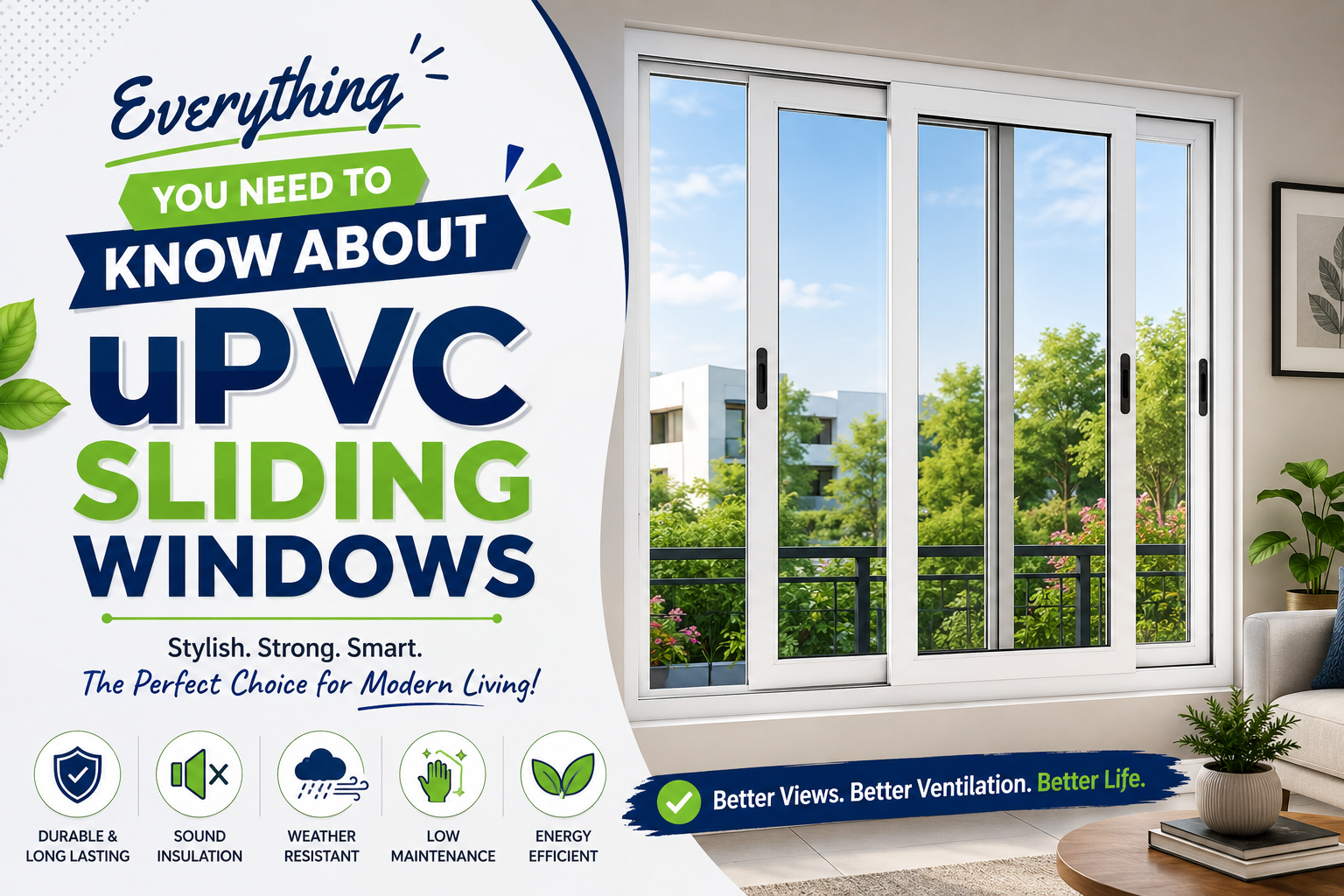
The demand for uPVC sliding windows has surged across Indian homes, apartments, and commercial spaces over the past decade. With their sleek profiles, effortless operation, and strong performance characteristics, these windows offer a compelling alternative to traditional aluminium or wooden systems. Whether you're designing a new property or upgrading an existing one, understanding what a uPVC window brings to the table can sharpen your decision-making considerably.
What Are uPVC Sliding Windows?
Sliding windows operate on a horizontal track system, with one or more sashes gliding smoothly along the frame. Unlike casement windows that swing outward on hinges, sliding windows stay within the plane of the wall making them especially well-suited for spaces with limited exterior clearance, such as busy streets, narrow passages, or balconies. Depending on how many sashes are needed, they come in two-track, three-track, and multi-track configurations.
Why uPVC Is the Right Material Choice
Material selection is critical to long-term window performance. uPVC (Unplasticised Polyvinyl Chloride) has become the globally preferred choice for window frames because it pairs structural strength with excellent insulating properties. It doesn't corrode, rust, rot, or demand regular surface treatment.
In India's varied climate intense heat, monsoon rains, dust, and humidity a uPVC window significantly outperforms aluminium and wood in both durability and maintenance requirements.
Key Benefits
1. Smooth, Effortless Operation
Precision-engineered stainless steel or galvanised steel rollers and tracks ensure effort-free operation for years. Unlike older aluminium sliding systems that stiffen or become noisy over time, uPVC maintains its gliding performance with minimal upkeep.
2. Excellent Weather Performance
India's monsoon season can be punishing on windows. Multi-point weather sealing prevents water ingress even during heavy rainfall, while built-in drainage channels within the frame profiles direct any infiltration safely away protecting interiors from dampness and water damage.
3. Energy Efficiency
The multi-chambered hollow sections within uPVC profiles create effective thermal breaks, reducing heat transfer through the frame. Paired with insulated glass units (IGUs), uPVC sliding windows can meaningfully cut heat gain in summer and heat loss in winter, translating into real energy savings over time.
4. Low Maintenance
Perhaps the most appreciated quality in everyday use — uPVC frames need nothing more than an occasional wipe with soapy water. Tracks and rollers benefit from periodic silicone-based lubrication to keep things running smoothly. No painting, sanding, or rust treatment, ever.
Sound Insulation
Urban living brings noise: traffic, construction, nearby commercial activity. Double-glazed uPVC sliding windows offer significant acoustic insulation, making a noticeable difference in bedrooms, home offices, and children's rooms.
Specialised Applications
Balcony Sliding Windows
Balconies face extended exposure to wind, rain, dust, and direct sunlight. A uPVC window is the ideal fit here large glass panels deliver unobstructed views, robust weather sealing handles the elements, and corrosion-resistant hardware holds up over the long term. It's a particularly practical solution for balcony enclosures in both apartments and independent homes.
Sliding Windows with Grills
For ground-floor homes, lower-floor apartments, or properties in areas with higher security concerns, an integrated or external grill adds a meaningful layer of protection without sacrificing the performance benefits of a uPVC frame. Grill designs range from simple vertical bars to decorative geometric patterns, allowing security and aesthetics to coexist.
Configuration Options
- Two-Track Sliding Windows — The most common setup, with one fixed sash and one sliding sash on a two-track frame. Cost-effective, easy to operate, and suitable for most standard openings.
- Three-Track Sliding Windows — Three sashes on three parallel tracks offer greater flexibility in opening configurations and wider ventilation. Ideal for larger openings where more airflow is a priority.
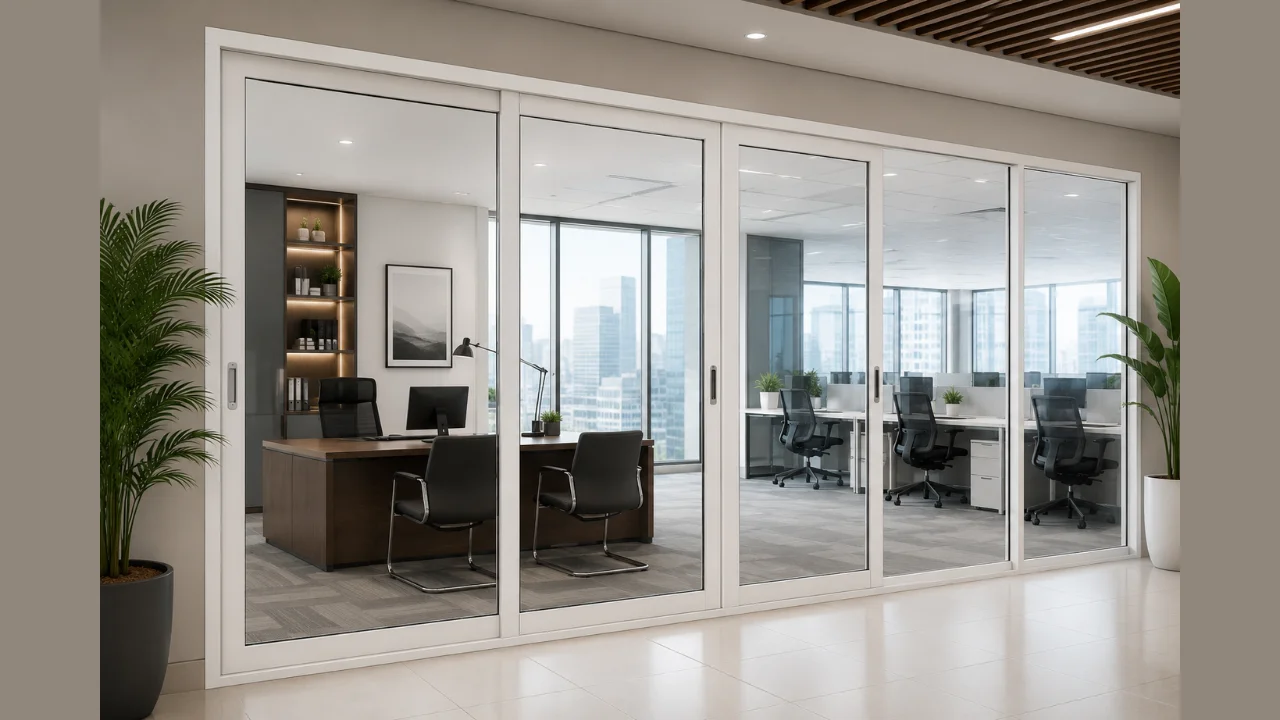
- Combination Configurations — Sliding panels can be paired with fixed, casement, or tilt-and-turn sections to create bespoke configurations tailored to specific architectural requirements.
How to Choose the Right Configuration
A few factors worth considering when selecting uPVC sliding windows for your home:
- Orientation — East- or west-facing openings may benefit from enhanced thermal glass to manage solar heat gain.
- Security level — Lower floors or higher-risk areas are good candidates for grill integration.
- Noise environment — Urban and suburban settings benefit considerably from double glazing.
- Aesthetics — Frame colour, finish, and glass type all contribute to how the window reads within the overall design of the space.
uPVC sliding windows are a well-rounded solution for modern Indian homes combining performance, low upkeep, and design flexibility in a single system. Taking the time to match the right configuration to your specific space, orientation, and lifestyle will ensure you get the most out of your investment for years to come.





.webp)