Sign up with Google
 Sign in with Zoho
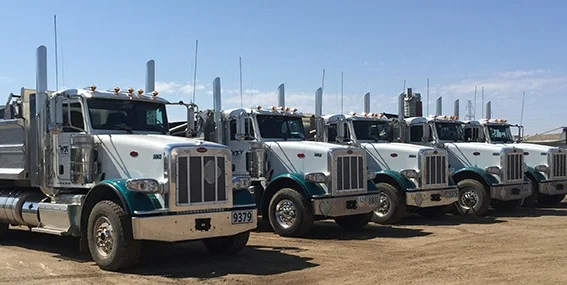
Transportation of such materials is not just about getting a vehicle and a route planned. It calls for a very precise collaboration among various participants in the process, from the generators to the carriers and drivers, from the treatment plants to the destinations. Each and every step must take into account the nature of the material, the transportation regulations, and the possible dangers involved.
Waste must be identified and classified carefully before its transport. Knowledge of its physical and chemical properties assists in determining appropriate containment, labeling, documentation, and practices. Ensure that the containers are compatible with their contents; inspect for damage, leaks, and inadequate closures. Securing materials for loading will help to minimize spillage or accidental release of loads while vehicles are in transit.
Route planning is an essential part of hazardous waste transportation in Alberta, helping identify suitable roads and avoid potential hazards during transit. An ideal road should factor in road conditions, traffic patterns, climate risks (heat/cold), zones of construction, and proximity to emergency services. Drivers must know the route planned and what actions to take if prompt changes arise due to unexpected weather conditions. Fewer stops mean fewer chances of incidents while on the road.
Documenting every step provides accountability across the shipment. Records should specify the waste, quantities, origin of the waste, destination, and handling necessary for its maintenance. Having open documentation allows those who handle materials to see where they originated and where they were brought. It also provides a helpful training and record-keeping mechanism for tracking shipments, investigating anomalies, and showing compliance with applicable requirements.
Driver preparation deserves equal attention. Those who transport must know how to load safely, communicate hazards, respond to emergencies, and understand the materials they work with. Instead of relying upon experience alone, regular training can help workers detect warning signs and respond appropriately. It is similarly important to conduct routine inspections on vehicles and equipment to discover mechanical or containment issues before leaving the site.
It is a process that increases the strength of transport as it relates to transportation. All carriers should have processes in place to respond to leaks, collisions, container damage, or other issues. Emergency equipment, communication methods, and contact information should be made available. By coordinating with emergency responders and receiving facilities, incidents can be dealt with to avoid spreading contaminated materials beyond the site of actual contamination.
In essence, the reliable hazardous waste transportation in Alberta requires constant controls and not just one precaution. The integration of proper classification, proper packaging, professional drivers, good routes, proper documentation, and contingency plans is likely to enhance the reliability of the transportation process. This approach may help protect workers, communities, and ecosystems and facilitate the proper transportation of the materials to the desired destinations. Regular evaluation of the processes involved will be essential for identifying the gaps that may arise with time.
Mike Gibbs is the author of this article. For more details about top-quality backfill services in Edmonton, please visit our website: whiterocktrucking.ca.